How to Improve Lawn Health with Smart Irrigation & Watering Strategies

Improving your lawn's health starts with understanding how to manage water effectively. You might not realize that smart irrigation techniques can make a significant difference. By using the right strategies, you can enhance your lawn's appearance while conserving water. Curious about which methods can help you achieve a lush, green yard without wasting resources? Let’s explore the key aspects of smart irrigation and efficient watering practices.
Identifying Common Lawn Issues
How can you spot problems in your lawn before they become major headaches? Start by regularly inspecting your grass for discoloration or thinning patches.
Look closely for signs of pests like grubs or beetles that can wreak havoc on your turf. Check for uneven growth, which may indicate poor soil quality or compaction.
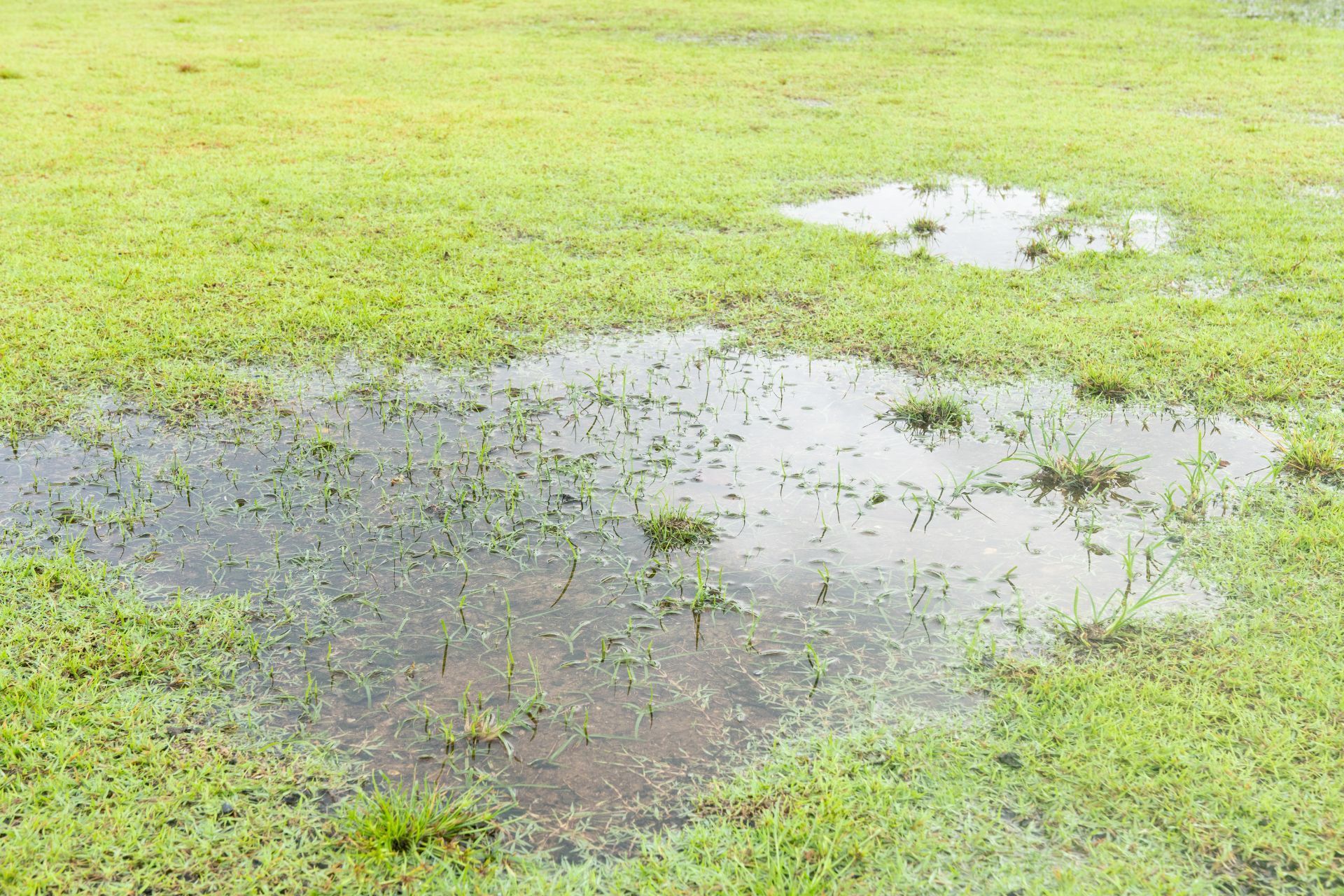
Pay attention to areas that stay soggy, as this could signal drainage issues. If you notice weeds overtaking your lawn, it’s a clear sign you need to address your lawn care routine.
Keep an eye out for fungus or mold, especially in damp conditions. Addressing these issues early can prevent bigger problems down the road, helping you maintain a healthy, lush lawn you can be proud of.
Understanding Your Lawn's Water Needs
Spotting issues in your lawn is just the first step; understanding its water needs is equally important for maintaining its health.
Every lawn is unique, so you'll want to consider factors like grass type, soil quality, and climate. Generally, your lawn needs about one inch of water per week, including rainfall.
To determine when to water, check the soil moisture by sticking your finger about an inch deep—if it’s dry, it’s time to water.
Observe your grass: if it starts to wilt or turns a dull color, it’s likely thirsty.
Pay attention to the seasons, too; during hotter months, your lawn may need more water.
Finding the right balance will keep your lawn lush and vibrant.
Choosing Smart Irrigation for Lawn Watering
Do you know the best ways to irrigate your lawn efficiently? Choosing smart irrigation systems can make a big difference in maintaining a healthy lawn while conserving water.
Start by considering a drip irrigation system, which delivers water directly to the roots, minimizing waste. You might also explore smart controllers that adjust watering schedules based on weather conditions, helping prevent overwatering.
Rain sensors can further enhance your system by shutting off irrigation when it rains. Lastly, consider installing soil moisture sensors to gauge when your lawn truly needs water.
Best Practices for Watering Your Lawn Efficiently
When should you water your lawn to keep it healthy and thriving? The best time's early morning, around 6 to 10 AM. This timing reduces evaporation and allows your grass to absorb moisture before the heat of the day kicks in.
Aim for deep, infrequent watering—about 1 to 1.5 inches per week. You can check soil moisture by sticking a finger into the ground; if it’s dry up to your second knuckle, it’s time to water.
Also, avoid watering on windy days, as it can lead to uneven distribution. Finally, consider adjusting your watering schedule based on rainfall and seasonal changes.
How to Monitor and Adjust Your Lawn’s Watering?
How can you effectively monitor and adjust your lawn's watering to maintain its health?
Start by checking soil moisture regularly. Stick your finger about an inch into the soil; if it feels dry, it’s time to water.
Use a rain gauge to track rainfall and adjust your watering schedule accordingly. Consider investing in a smart irrigation system that can measure moisture levels and automate watering based on weather conditions.
Additionally, observe your lawn’s color and growth; if it’s turning brown or growing unevenly, you might be under or over-watering.
Finally, keep an eye on the drainage. If water pools, you may need to adjust your watering duration or frequency to prevent runoff and ensure even moisture distribution.
Eco-Friendly Practices for Lawn Water Conservation
Implementing eco-friendly practices for lawn water conservation not only helps you save water but also promotes a healthier environment.
Start by choosing drought-resistant grasses that require less water and adapt well to local climates.
Mulching your garden beds can reduce evaporation and keep moisture in the soil longer.
Consider using rain barrels to collect and utilize natural rainwater for irrigation.
Additionally, water your lawn early in the morning or late in the evening to minimize evaporation.
Group your plants by their water needs to ensure efficient watering.
Lastly, use a soaker hose or drip irrigation system to deliver water directly to the roots, reducing waste.
Conclusion
By implementing smart irrigation and effective watering strategies, you can significantly enhance your lawn's health. Focus on deep, infrequent watering while utilizing soil moisture sensors and smart controllers to tailor your approach. Remember to water early in the morning to reduce evaporation and choose drought-resistant grasses to save water. With these eco-friendly practices, you'll not only have a lush, vibrant lawn but also contribute to conserving precious resources. Your lawn will thrive, and you'll enjoy the benefits!