Why Is My Lawn Turning Brown? 8 Common Causes for North Texas Homeowners

If you’ve noticed your lawn turning brown, you're not alone. Many North Texas homeowners face this issue, and it can stem from several common factors. From improper watering to pest infestations, identifying the root cause is crucial for restoring your lawn's health. Let’s explore the primary reasons behind this discoloration and what you can do to bring your grass back to life.
Identifying the Causes of Brown Grass
Brown grass can be a frustrating sight for any homeowner. To identify the causes, start by examining your lawn’s environment.
Are there patches that receive too much sunlight or areas shaded by trees? Excessive heat can stress your grass, while poor soil quality may lead to nutrient deficiencies. Check for signs of pests or diseases, as these can quickly turn lush grass into a brown mess.
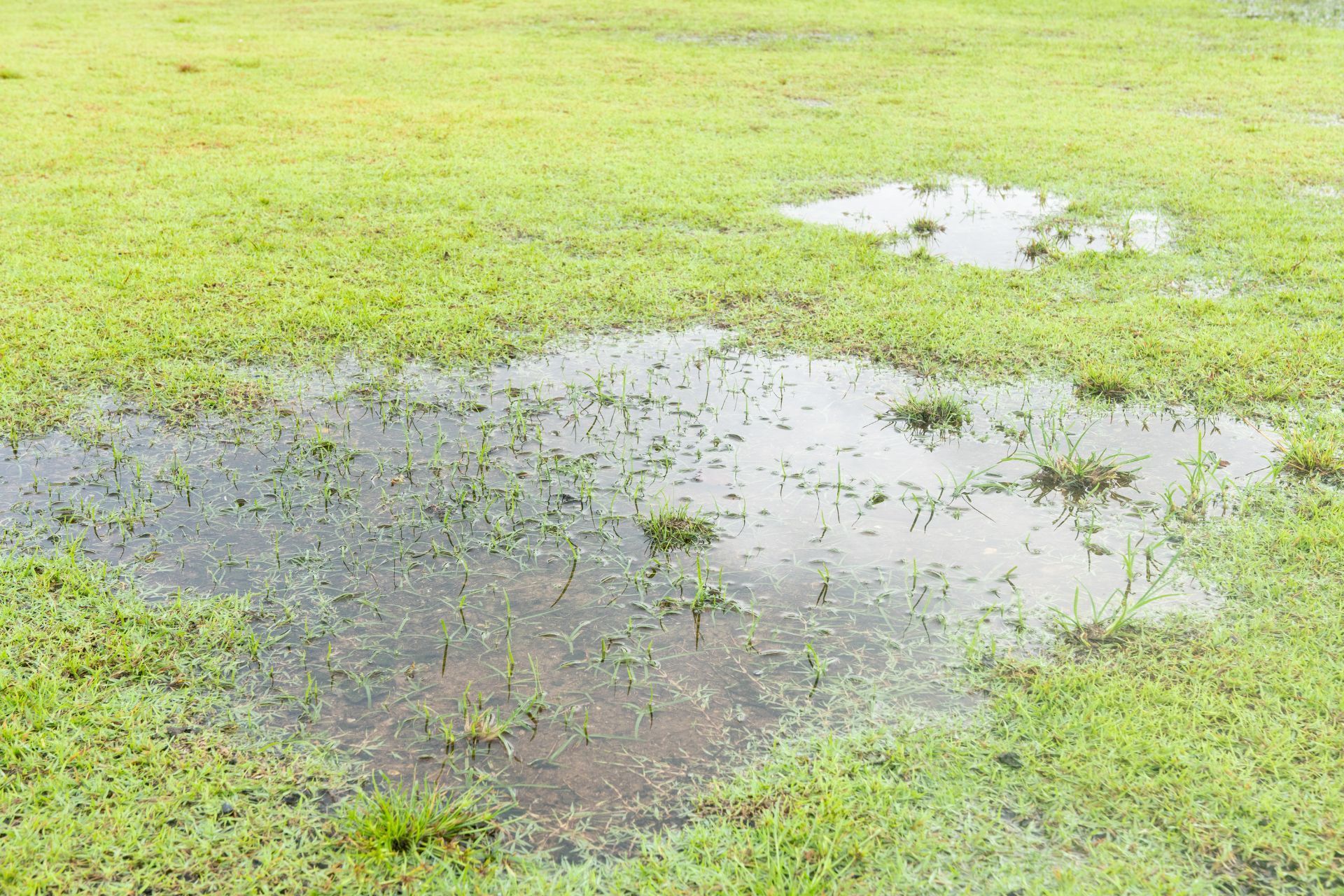
Additionally, evaluate your lawn’s drainage; standing water can suffocate roots, while dry areas may suffer from drought stress.
Lastly, consider recent landscaping changes or construction work that might've disrupted the soil. By pinpointing these factors, you can take the necessary steps to restore your lawn’s vibrant green color.
Common Watering Mistakes That Turn Grass Brown
When it comes to maintaining a healthy lawn, improper watering practices can significantly contribute to grass turning brown. One common mistake is overwatering; many homeowners think more water equals healthier grass, but this can suffocate roots and promote disease.
Conversely, underwatering leads to drought stress, causing grass to wilt and turn brown. It’s also crucial to water at the right time—early morning is ideal—since watering in the heat of the day can lead to evaporation.
Additionally, inconsistent watering schedules can confuse your lawn, making it weak and prone to browning. Finally, using a sprinkler that doesn’t distribute water evenly can leave patches dry, so ensure your lawn gets uniform moisture to keep it lush and green.
The Impact of Texas Heat on Lawn Health
Although Texas is known for its vibrant landscapes, the intense heat can take a toll on your lawn's health. With temperatures soaring, your grass may struggle to stay lush and green.
High heat causes rapid evaporation, leading to moisture loss that can stress your lawn. You might notice your grass turning brown as it enters a dormant state to conserve energy. If you don't take action, the damage can worsen, making recovery challenging.
To combat the heat, ensure you're watering deeply and consistently, preferably in the early morning. Additionally, consider using mulch to retain moisture and shade your lawn during peak sun hours.
Taking these steps can help your lawn withstand the harsh Texas climate and maintain its health.
How Soil Quality Affects Your Lawn's Color
Healthy soil is crucial for maintaining a vibrant lawn, as its quality directly influences the color and vitality of your grass. If your soil lacks essential nutrients like nitrogen, phosphorus, and potassium, your lawn may start to turn brown and look unhealthy.
Compacted soil can also hinder root growth, preventing your grass from accessing water and nutrients. Additionally, poor drainage leads to waterlogged areas, which can suffocate roots and promote diseases that cause discoloration.
Regularly testing your soil helps you identify deficiencies and make necessary amendments. By improving soil quality through aeration, organic matter, and proper pH balance, you’ll create a thriving environment for your grass, resulting in a lush, green lawn that stands up to drought and heat.
Pest Infestations That Cause Brown Lawns
Even with quality soil, your lawn can still face challenges from pests that cause brown patches and overall decline.
In North Texas, common culprits include grubs, chinch bugs, and armyworms. Grubs feed on grassroots, leading to wilting and browning. Chinch bugs suck the sap from grass blades, causing them to turn yellow and eventually brown. Armyworms, particularly during late summer, can strip your lawn bare almost overnight.
To identify these pests, check for irregular patches of browning and inspect the turf for visible insects. If you suspect an infestation, act quickly by applying appropriate treatments or insecticides.
Regularly monitoring your lawn can help you catch these pests early, preventing extensive damage and keeping your lawn lush and healthy.
Common Lawn Diseases That Cause Discoloration
When your lawn starts to discolor, common diseases might be the reason behind it.
One prevalent issue is brown patch, caused by a fungal infection that thrives in warm, humid conditions. You’ll notice circular brown patches appearing, often growing in size.
Another culprit is dollar spot, which creates small, light brown spots that can merge into larger areas.
If you see yellowing blades, it could be caused by rust, a fungal disease that often occurs during cooler temperatures.
Lastly, take note of any patches of wilted grass; this may indicate root rot, often linked to overwatering.
Keeping an eye on these diseases is essential for maintaining a vibrant, healthy lawn. Regular monitoring and prompt action can help restore its lush green appearance.
Is Compacted Soil Hurting Your Lawn?
If you've noticed your lawn struggling to thrive, compacted soil might be the hidden culprit. When soil gets compacted, it restricts airflow, water, and nutrients from reaching grass roots. This can lead to poor growth, yellowing blades, and an overall unhealthy appearance.
You might find that your lawn doesn’t respond well to watering or fertilizing because the roots can’t access what they need. Heavy foot traffic, construction activity, or even the weight of equipment can contribute to soil compaction.
If you suspect compacted soil is an issue, it’s crucial to address it. Aerating your lawn can help alleviate some of the pressure, allowing your grass to breathe and absorb essential elements for a vibrant, green lawn.
How to Revive Your Brown Lawn
Reviving a brown lawn can feel daunting, but with the right approach, you can restore its lush green appearance.
First, assess the underlying issues—check for compacted soil, pests, or diseases. Aerating your lawn can improve airflow and water absorption.
Next, water deeply but infrequently, encouraging roots to grow deeper. Aim for about an inch of water per week, adjusting for rainfall.
Fertilize with a balanced lawn fertilizer to provide essential nutrients, and consider overseeding with drought-resistant grass varieties.
Regular mowing at the appropriate height helps promote growth and prevents weeds.
Lastly, be patient; it may take time for your lawn to bounce back, but with consistent care, you’ll soon enjoy a vibrant green lawn again.
Conclusion
In conclusion, understanding the reasons behind your brown lawn is key to restoring its health. By addressing common watering mistakes, the impact of heat, soil quality, pests, and diseases, you can take actionable steps towards revitalizing your grass. Don’t forget to check for compacted soil and make the necessary adjustments. With a little care and attention, you’ll see your lawn flourish again, bringing back the vibrant green you love. Get started on your lawn recovery today!