Fall Yard Cleanup in North Texas: What Homeowners Should Remove Before Winter
As fall settles in across North Texas, it's time to focus on your yard cleanup. Neglecting fallen leaves and debris can lead to a host of problems for your lawn and garden. You’ll want to think about what needs to go before winter sets in. From dead plants to pest prevention, there are several steps to ensure your yard remains healthy. Let's explore what you should prioritize for a thriving landscape come spring.
Why Fall Yard Cleanup Is Crucial for North Texas Homeowners
As the leaves start to change and temperatures drop, fall yard cleanup becomes essential for North Texas homeowners. This seasonal task isn’t just about aesthetics; it’s crucial for preparing your yard for winter.
Removing dead plants and debris helps prevent pests and disease from taking root and damaging your garden. It also allows your grass and plants to breathe, ensuring they've the best chance to thrive come spring.
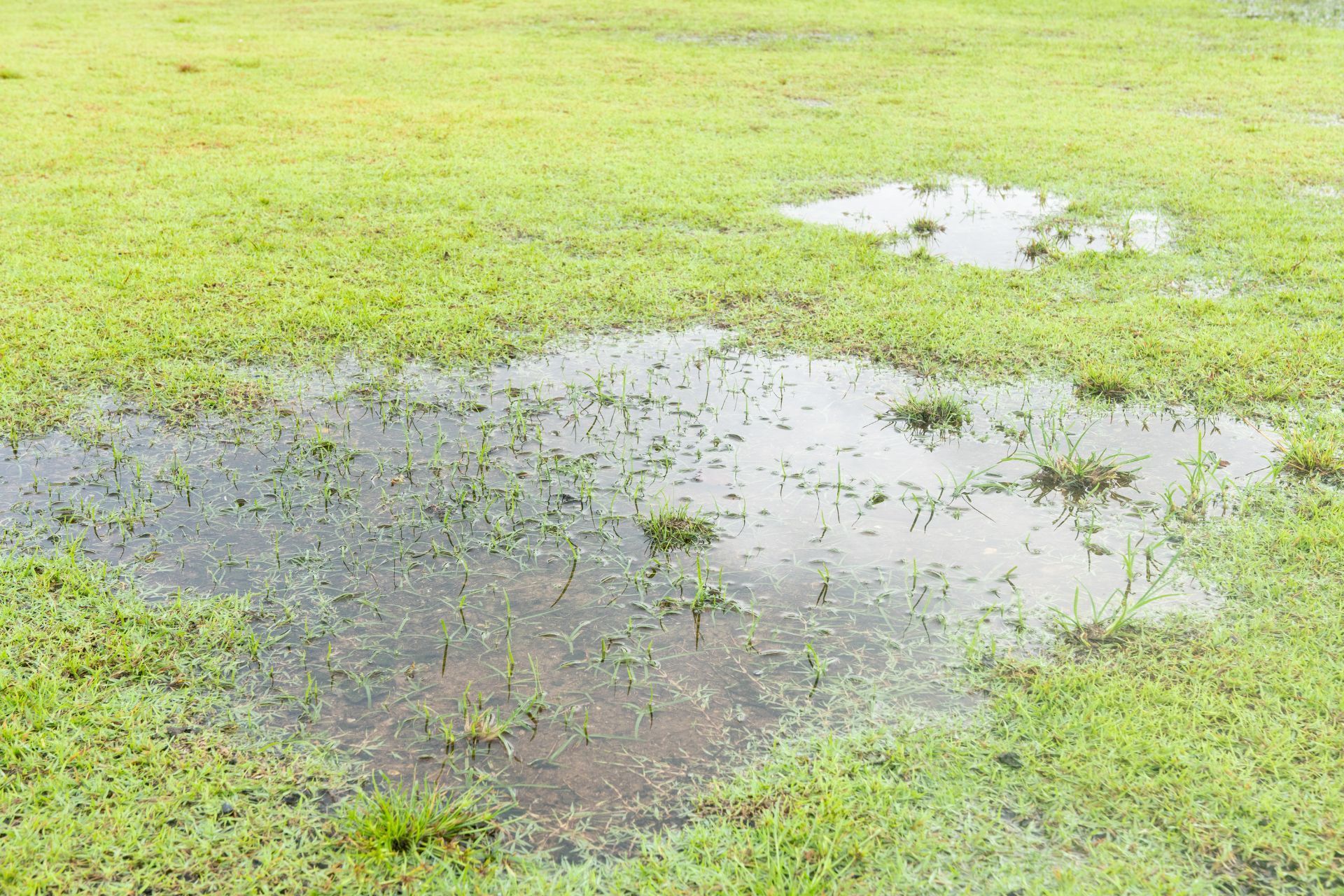
Additionally, a tidy yard can prevent water from pooling, reducing the risk of mold and fungus. By taking the time to clean up your yard in the fall, you set the stage for a healthier landscape, making your outdoor space more enjoyable for you and your family.
Fall Yard Cleanup: What to Remove-Fallen Leaves and Debris
When tackling fall yard cleanup, one of the first things you should focus on is removing fallen leaves and debris. Leaving these on your lawn can smother grass and promote mold and pests over winter.
Grab a rake or leaf blower to efficiently gather the leaves, and don’t forget to check flowerbeds and hard-to-reach areas. While you're at it, pick up any twigs, branches, or other debris that might've accumulated.
It's a great idea to compost the leaves if they're in good condition, or you can bag them for disposal. Clearing away this clutter not only keeps your yard looking tidy but also sets the stage for a healthy lawn come spring.
How to Handle Dead Plants and Perennials
After clearing away the fallen leaves and debris, it’s time to address any dead plants and perennials in your garden.
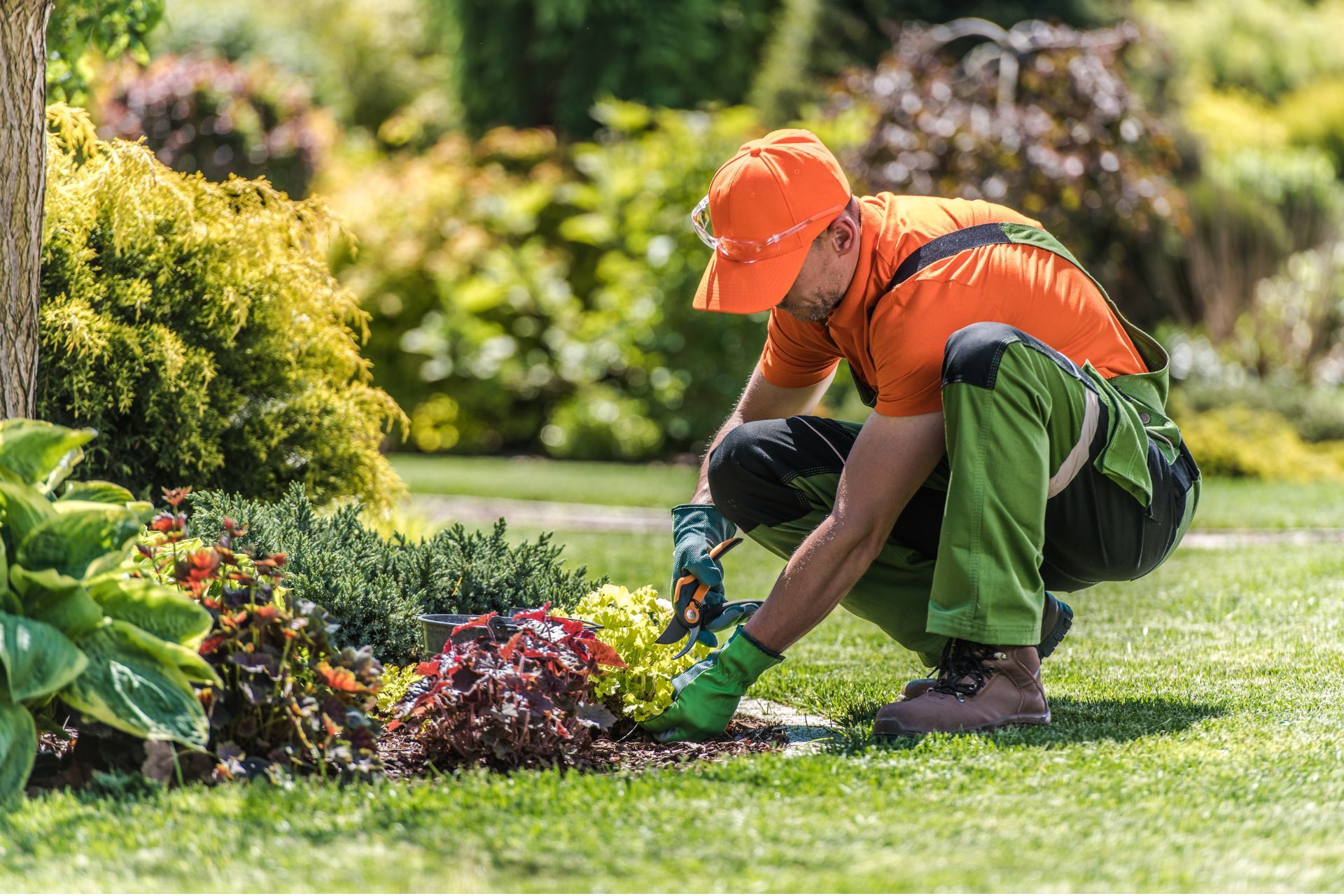
Start by removing any completely dead plants, as they can harbor pests and diseases that may affect your healthy plants. Cut back perennials that have turned brown, leaving a few inches of stem above the soil to mark their location for next spring.
If you notice any signs of disease, dispose of those plants properly to prevent spreading. For perennials that are still alive but dormant, you can leave them in place until spring. This way, they’ll be ready to burst back to life when temperatures warm up.
Finally, consider adding mulch to protect your garden during winter.
Evaluating Your Lawn: What Needs to Go?
How can you tell if your lawn is thriving or in need of some serious intervention? Start by inspecting the color and texture of your grass. If it’s turning brown or patchy, it may need immediate attention.
Look for weeds that can choke out healthy grass; they should be pulled or treated with herbicides. Check for bare spots—these can be filled with new sod or seed. Pay attention to any signs of pests or disease, like unusual spots or wilting.
Lastly, consider the overall density; if your lawn feels thin, it’s time to overseed. By evaluating these key areas, you can determine what needs to go and set your lawn up for success come spring.
When and Why to Trim Trees and Shrubs
As the leaves begin to fall and temperatures drop, you should take the opportunity to trim your trees and shrubs for both health and aesthetics.
Late fall is an ideal time for this task, as it allows you to remove any dead or damaged branches before winter sets in. By doing so, you reduce the risk of disease and pests, ensuring your plants stay healthy.
Trimming also encourages new growth in the spring, promoting a fuller, more vibrant landscape. Plus, shaping your shrubs and trees now enhances your yard’s appearance during the dormant season.
Remember to use clean, sharp tools and follow proper pruning techniques to avoid harming your plants. A tidy yard now will pay off come spring!
How to Clear Out Garden Beds Effectively
Clear out your garden beds to prepare them for winter and set the stage for a thriving spring garden.
Start by removing dead plants, weeds, and any debris that could harbor pests or diseases. Use a garden fork or spade to loosen the soil, making it easier to remove stubborn roots.
If you’ve got compost, add organic matter to enrich the soil and promote healthy growth next season. Rake the area to ensure it’s tidy and free of any leftover materials.
Mulching your beds with straw or wood chips can help protect the soil from harsh winter conditions.
Finally, don’t forget to clean your tools and store them properly, ensuring they’re ready for spring gardening.
How to Tackle Pests and Diseases Before Winter?
After clearing out your garden beds, it's important to address any lingering pests and diseases that could threaten your plants in the coming seasons.
Start by inspecting your plants for signs of infestations, like discolored leaves or webbing. Remove any affected plants or leaves to prevent spreading.
Next, consider using natural pest deterrents such as neem oil or insecticidal soap to target specific pests.
Don’t forget to clean up any debris, as it can harbor diseases over winter. You might also want to apply a layer of organic mulch to protect your soil and deter pests.
Lastly, keep an eye on your garden throughout winter, checking for any signs of trouble before spring arrives.
Preparing Your Soil for Spring
Preparing your soil for spring is essential for a thriving garden, and it doesn’t have to be daunting. Start by removing any leftover debris, such as dead plants and fallen leaves, which can harbor pests.
Next, test your soil’s pH and nutrient levels to determine what amendments are needed. Incorporate organic matter, like compost or well-rotted manure, to enrich the soil and improve its structure.
Tilling it lightly helps aerate and prepare the ground for planting. If you notice any compacted areas, break them up to promote healthy root growth.
Finally, consider mulching to protect your soil over winter. With these steps, you’ll set the stage for a flourishing garden come springtime!
What to Do With Your Outdoor Furniture This Winter
As winter approaches, it's crucial to give your outdoor furniture some attention to ensure it lasts for many seasons to come.
Start by cleaning each piece to remove dirt, debris, and potential mold. For wooden furniture, apply a protective sealant to prevent moisture damage.
If you have metal furniture, check for rust and treat any affected areas with rust-resistant paint.
Consider storing cushions and fabric items indoors to protect them from moisture and fading.
If you can’t bring larger furniture inside, cover it with weather-resistant tarps or furniture covers.
This extra layer of protection will help extend the life of your outdoor pieces, keeping them in great shape for when warmer days return.
Final Touches: Mulching for Winter Protection
To ensure your plants survive the harsh winter months, mulching provides an essential layer of protection. A thick layer of mulch helps insulate the soil, preventing temperature fluctuations that can stress your plants.
It also retains moisture, reducing the risk of winter drought. When choosing mulch, go for organic options like shredded leaves, pine needles, or wood chips.
Spread a 2-4 inch layer around your plants, keeping it a few inches away from the stems to prevent rot. This not only protects your plants but also suppresses weeds, giving them a better chance to thrive come spring.
Conclusion
By taking the time for fall yard cleanup, you’re setting your North Texas lawn up for success come spring. Clear away fallen leaves, dead plants, and debris to keep pests at bay and ensure healthy growth. Don’t forget to inspect your lawn and prepare your outdoor furniture for winter. With a little effort now, you’ll enjoy a thriving yard when warmer weather returns. So grab your tools and get started on that fall cleanup!