How to Protect Your North Texas Landscape From Fall Pests

As fall approaches in North Texas, it’s crucial to protect your landscape from pests that can wreak havoc on your plants. You’ll want to start by inspecting your property for potential entry points and signs of infestation. Keeping your garden clean and utilizing natural deterrents can make a significant difference. But what specific steps should you take to ensure your garden remains pest-free this season? Let's explore the most effective strategies.
Identify and Combat Common Fall Pests in North Texas
As the temperatures cool in North Texas, various pests start invading your landscape, looking for warmth and food. Common fall pests include spiders, ants, and rodents.
To combat these intruders, begin by inspecting your property for cracks and gaps where they might enter. Seal off any openings you find to prevent their access.
Keep your yard tidy by raking leaves and removing debris, which can provide hiding spots. Consider using natural repellents, like essential oils, to deter pests without harmful chemicals.
If you spot any signs of infestation, act quickly to eliminate the problem. By staying vigilant and proactive, you can protect your landscape from unwanted visitors this fall season and ensure a healthy outdoor space.
What Are the Signs of Pest Infestation to Watch For?
How can you tell if pests have invaded your landscape? Start by looking for unusual changes in your plants. Yellowing leaves, wilting, or sudden growth stunting could signal pest problems.
Keep an eye out for holes in leaves or chewed edges, which indicate insects are munching on your greenery. You might also notice sticky residue on plants, a sign of aphids or spider mites.
Additionally, look for webs or nests that pests create. If you see an increase in ants or other insects around your home, they might be scouting for food sources.
Lastly, check for droppings or shed skins, which can reveal larger infestations. Staying vigilant can help you tackle pest issues before they escalate.
Designing Your Garden to Keep Pests Away
To effectively deter pests in your garden, consider incorporating natural barriers and companion planting strategies.
Planting strong-smelling herbs like basil, mint, or lavender can confuse pests and keep them at bay. Additionally, interspersing flowers such as marigolds throughout your vegetable garden not only adds beauty but also attracts beneficial insects that prey on harmful pests.
Create physical barriers, like row covers or netting, to protect your plants from pests while allowing sunlight and moisture to reach them.
Designing your garden with diversity in mind is key; a variety of plants can disrupt pest life cycles.
Essential Fall Garden Maintenance Techniques to Prevent Pests
Maintaining your garden in the fall is just as important as your initial design efforts to keep pests at bay. Start by clearing away any dead plants and debris, as they can harbor unwanted insects.
Trim back overgrown shrubs and perennials to reduce hiding spots for pests. Next, ensure your soil is healthy by adding organic compost or mulch, which also helps retain moisture.
Regularly inspect your plants for any signs of pests or disease, addressing issues immediately. Consider planting fall-blooming flowers that attract beneficial insects.
Finally, make sure your garden tools are clean and stored properly to prevent any pest transfer. By following these essential maintenance techniques, you’ll create a healthier environment that deters pests and promotes growth.
Implementing Natural Pest Control Methods
While you may want to reach for chemical solutions when pests invade your garden, implementing natural pest control methods can be just as effective and far less harmful to the environment.
Start by attracting beneficial insects like ladybugs and lacewings, which prey on harmful pests. Planting herbs such as basil and mint can deter unwanted insects with their strong scents.
You can also create barriers using row covers or diatomaceous earth to protect your plants. Regularly inspecting your garden helps you catch infestations early, allowing you to take action before they escalate.
Lastly, consider using homemade sprays made from garlic or hot pepper to repel pests naturally.
Chemical Solutions: When and How to Use Them
When pests overwhelm your garden despite your best efforts with natural methods, using chemical solutions might be necessary to protect your plants.
First, identify the specific pest causing damage. This helps you choose the right chemical solution. Always read the label for instructions on dilution and application rates.
Timing is crucial; apply chemicals during the early morning or late evening when beneficial insects are less active. Wear protective gear, such as gloves and a mask, to ensure your safety. Avoid treating windy days to prevent drift and unintended damage to nearby plants.
After application, monitor your garden closely for any signs of pest activity or adverse effects on your plants. Always follow up with natural methods to maintain a balanced ecosystem.
Tips for Seasonal Planting to Deter Fall Pests
To effectively deter fall pests in your North Texas garden, consider your planting choices as a first line of defense.
Start by selecting pest-resistant plants like marigolds, which can repel unwanted insects. Group similar plants together to create a natural barrier, making it harder for pests to spread. Incorporate herbs such as basil and rosemary, known for their pest-repelling properties.
Timing is crucial, so plant your fall crops early enough to establish a healthy root system before pests become active. Additionally, rotate your crops each season to disrupt pest life cycles.
Managing Weeds to Protect Your Garden From Pests
Effective weed management is crucial, as these unwanted plants can harbor pests and diseases that threaten your garden.
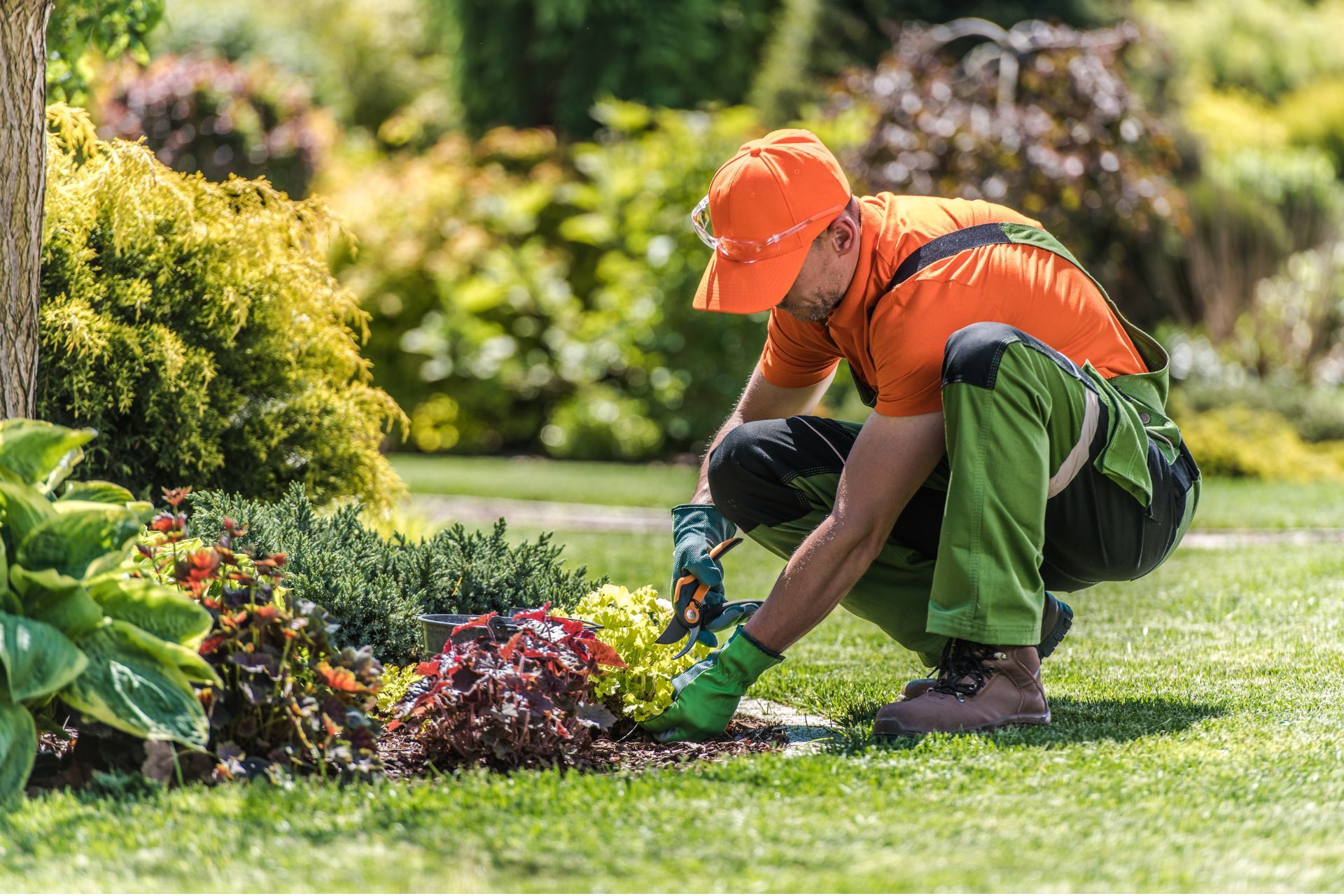
Start by regularly inspecting your landscape for weeds. Pull them out by hand or use a hoe, ensuring you remove the entire root to prevent regrowth.
Mulching around your plants can also help suppress weeds while retaining moisture. Consider using landscape fabric for larger areas to block sunlight and inhibit weed growth.
If you prefer chemical options, select targeted herbicides but apply them carefully to minimize harm to desirable plants.
Stay consistent with your weed management routine, as even a few weeds can attract pests. By keeping your garden weed-free, you create a healthier environment for your plants.
Winter Prep: How to Keep Pests Out
As temperatures drop and winter approaches, preparing your landscape to fend off pests becomes essential.
Start by cleaning up any fallen leaves, debris, or dead plants that can harbor pests. Seal cracks and gaps in your home’s foundation and around windows to prevent critters from entering.
Consider covering exposed soil with mulch or tarps to deter burrowing pests. Ensure your outdoor storage areas are organized, keeping firewood stacked away from the house.
If you have outdoor plants, apply protective barriers like row covers to shield them from pests. Lastly, inspect your plants regularly and take action at the first sign of trouble.
Conclusion
By taking proactive steps, you can easily protect your North Texas landscape from fall pests. Regular inspections, sealing gaps, and maintaining a clean garden will go a long way in preventing infestations. Incorporating natural deterrents like strong-smelling herbs and marigolds adds an extra layer of protection. Remember to monitor your plants and manage weeds effectively. With these strategies in place, you’ll enjoy a flourishing garden free from pesky invaders this fall and beyond!