Seasonal Lawn Care Checklist for North Texas (Spring → Winter)
As a homeowner in North Texas, you know that maintaining a healthy lawn requires different strategies throughout the year. Each season brings unique challenges and tasks that can make or break your lawn’s health. From spring aeration to fall fertilization, understanding the right steps to take is crucial. Let’s explore how you can keep your lawn thriving, even as the seasons change. What essential tips can help you avoid common pitfalls?
Spring Lawn Care Essentials for North Texas
As the weather warms up in North Texas, it's crucial to give your lawn the attention it needs to thrive.
Start by mowing regularly, keeping your grass at the recommended height for your variety. This helps promote healthy growth and prevents weeds.
Next, focus on watering; aim for about an inch of water per week, either through rainfall or irrigation.
Early spring is also the perfect time to aerate your lawn, allowing nutrients and water to penetrate deeper into the soil.
Don't forget to address any bare patches by overseeding with a suitable grass variety.
Finally, keep an eye out for pests or diseases, and take action promptly to protect your lawn's health.
Your proactive efforts will pay off in a lush, vibrant landscape.
Fertilization Tips for Healthy Lawn Growth
A healthy lawn thrives on proper fertilization, making it essential to choose the right products and timing for your North Texas yard.
Start by selecting a fertilizer that matches your grass type—Bermudagrass and Zoysiagrass thrive on nitrogen-rich blends.
Apply the first treatment in early spring when temperatures consistently reach 70°F. Follow up with a second application in late spring or early summer to support growth during peak seasons.
Remember to water your lawn after fertilizing to help the nutrients penetrate the soil.
Avoid over-fertilizing, as this can lead to burn and excessive growth, making maintenance difficult.
Finally, consider a soil test to determine nutrient levels, ensuring you provide exactly what your lawn needs for optimal health.
Cooling Strategies for Summer Lawn Care
When summer's heat settles over North Texas, keeping your lawn cool and healthy becomes crucial.
Start by watering early in the morning or late in the evening to minimize evaporation. Aim for deep watering sessions, about 1-1.5 inches per week, to encourage deep root growth.
Additionally, raise your mower blade to at least 3 inches; taller grass shades the soil and retains moisture better. Consider mulching your grass clippings to provide natural nutrients while reducing heat stress.
You might also want to apply a light layer of compost to improve soil health and moisture retention.
Lastly, avoid heavy foot traffic during peak heat hours, allowing your lawn to recover and thrive through the sizzling summer months.
Preparing Your Lawn for Winter in Fall
To ensure your lawn survives the winter chill, tackling fall preparations is essential. Start by mowing your grass one last time, keeping it at a height of about two to three inches. This helps prevent snow mold and encourages healthy growth in the spring.
Next, aerate the soil to improve water absorption and nutrient flow. Applying a high-potassium fertilizer in late fall strengthens the grass and prepares it for dormancy.
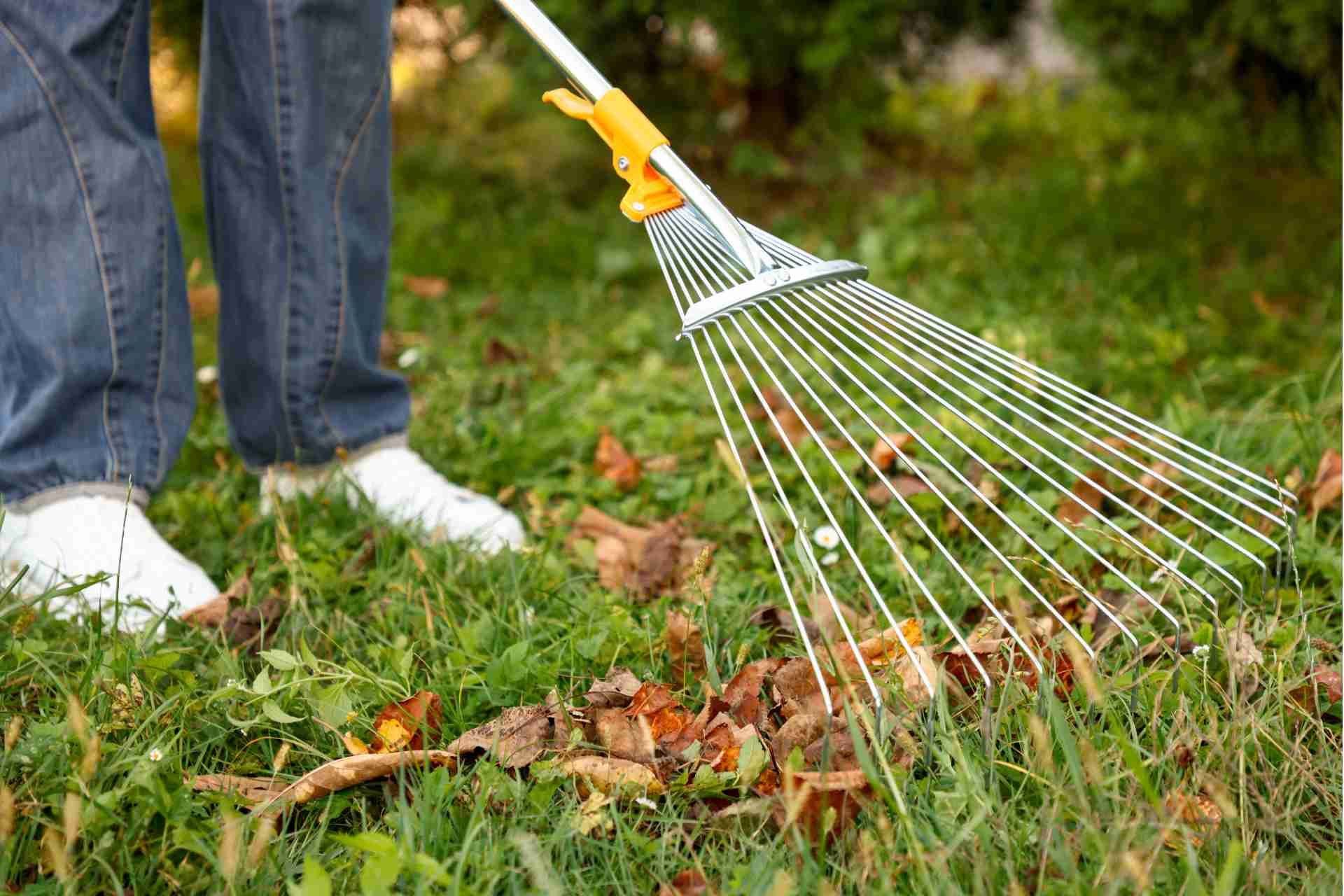
Don't forget to clear leaves and debris, as they can suffocate the grass and harbor pests. Lastly, consider overseeding with a hardy grass variety for a lush lawn come spring.
These steps will help your lawn endure the cold months ahead and thrive when warmer weather returns.
Winter Lawn Care Tips for North Texas
While winter may bring cold temperatures to North Texas, your lawn still requires attention to ensure it remains healthy.
Start by monitoring the soil moisture; even in winter, your grass can dry out. If rainfall is scarce, water your lawn deeply but infrequently to maintain hydration.
Avoid heavy foot traffic on frozen grass, as it can damage the blades. If you’ve overseeded, keep an eye on the new grass, ensuring it gets enough sunlight and moisture.
You can also apply a winter fertilizer designed for cool-season grasses to promote growth.
Lastly, keep your lawn clear of debris like leaves and branches to prevent mold and disease. A little care now sets the stage for a vibrant lawn come spring!
Avoid These Lawn Care Mistakes All Year Long
Winter care sets the foundation for your lawn's health, but mistakes can happen throughout the year that hinder its growth.
One common error is overwatering; keep an eye on rainfall and adjust your irrigation accordingly. Underestimating the importance of mowing height can also damage your grass—mow too low, and you risk scalping it.
Another mistake is neglecting soil health; regular aeration and fertilization are crucial for nutrient absorption.
Additionally, don’t ignore pest control; early detection of pests prevents bigger problems later on.
Lastly, avoid using the wrong type of grass for your region; choose varieties suited to North Texas to ensure a thriving lawn.
Conclusion
By following this seasonal lawn care checklist, you can keep your North Texas lawn healthy and vibrant year-round. From spring fertilization to summer cooling strategies, and fall preparations for winter, each step plays a crucial role in your lawn's success. Remember to avoid common mistakes and stay proactive throughout the seasons. With a little effort, you'll enjoy a lush, green lawn that enhances your outdoor space and boosts your home's curb appeal. Happy lawn caring!