how to prevent crabgrass
If you're looking to keep crabgrass at bay, understanding a few key lawn care practices can make all the difference. From mowing techniques to soil health, each step plays a role in establishing a robust lawn. You might be surprised at how simple adjustments can lead to significant improvements. Let's explore effective strategies that can help you achieve a healthy lawn and ward off crabgrass more effectively.
What Is Crabgrass?
Crabgrass is a pesky annual weed that can quickly invade your lawn or garden, thriving in warm weather. This fast-growing plant often appears in patches, with its wide, flat leaves spreading out and sometimes reaching heights of 2 feet.
It germinates in spring, taking advantage of bare soil and open areas, making it a common sight in neglected lawns. You might notice its light green color contrasted against the darker hues of your grass.
Crabgrass can outcompete desirable grasses for nutrients and water, leading to a weakened lawn. Identifying it early can help you manage its spread.
Why Lawn Care Matters for Keeping Crabgrass Away
Maintaining a healthy lawn is essential if you want to keep crabgrass at bay. A well-cared-for lawn promotes dense grass growth, which naturally crowds out weeds like crabgrass. By regularly fertilizing and watering your lawn, you create a strong foundation for your grass to thrive.
Additionally, proper aeration helps improve soil health, allowing nutrients and moisture to penetrate deeper, further enhancing grass growth. Weeds, including crabgrass, are more likely to invade weak, patchy areas, so consistent lawn care practices will lower your chances of an infestation.
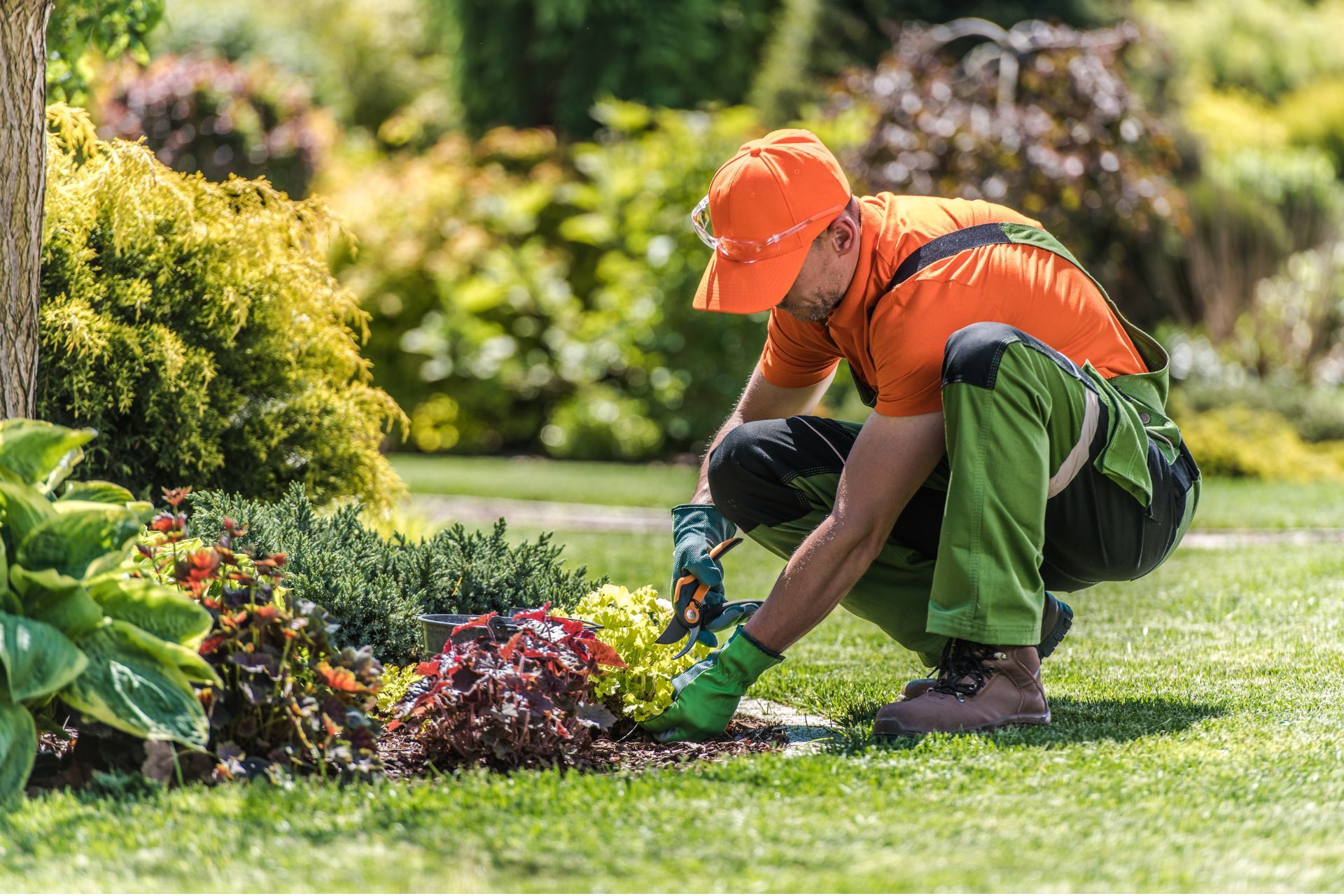
When you invest time in lawn maintenance, you’re not just promoting a beautiful yard; you’re actively preventing unwanted weeds from taking root. Take charge of your lawn care, and you’ll see the benefits!
Best Mowing Practices to Deter Crabgrass
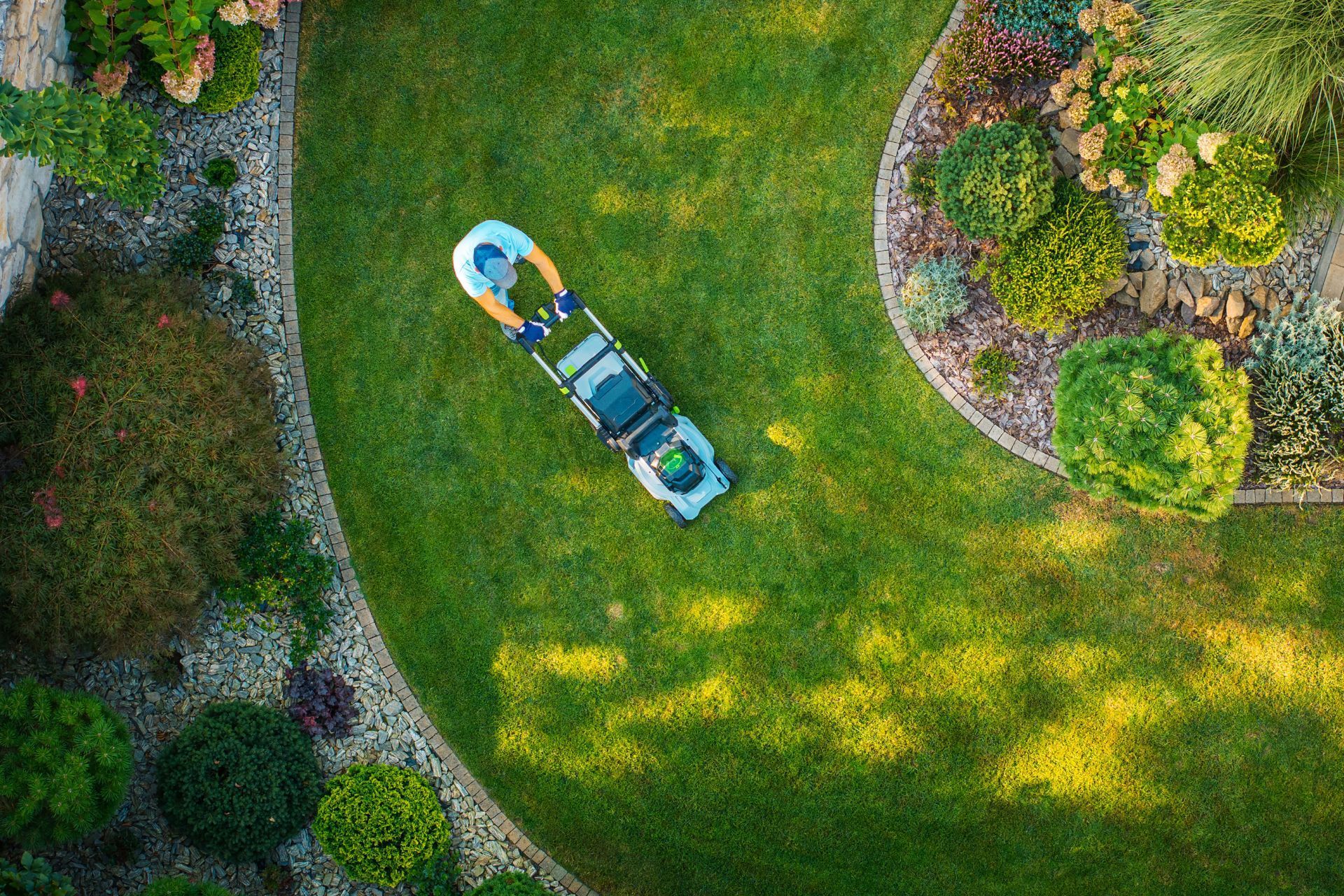
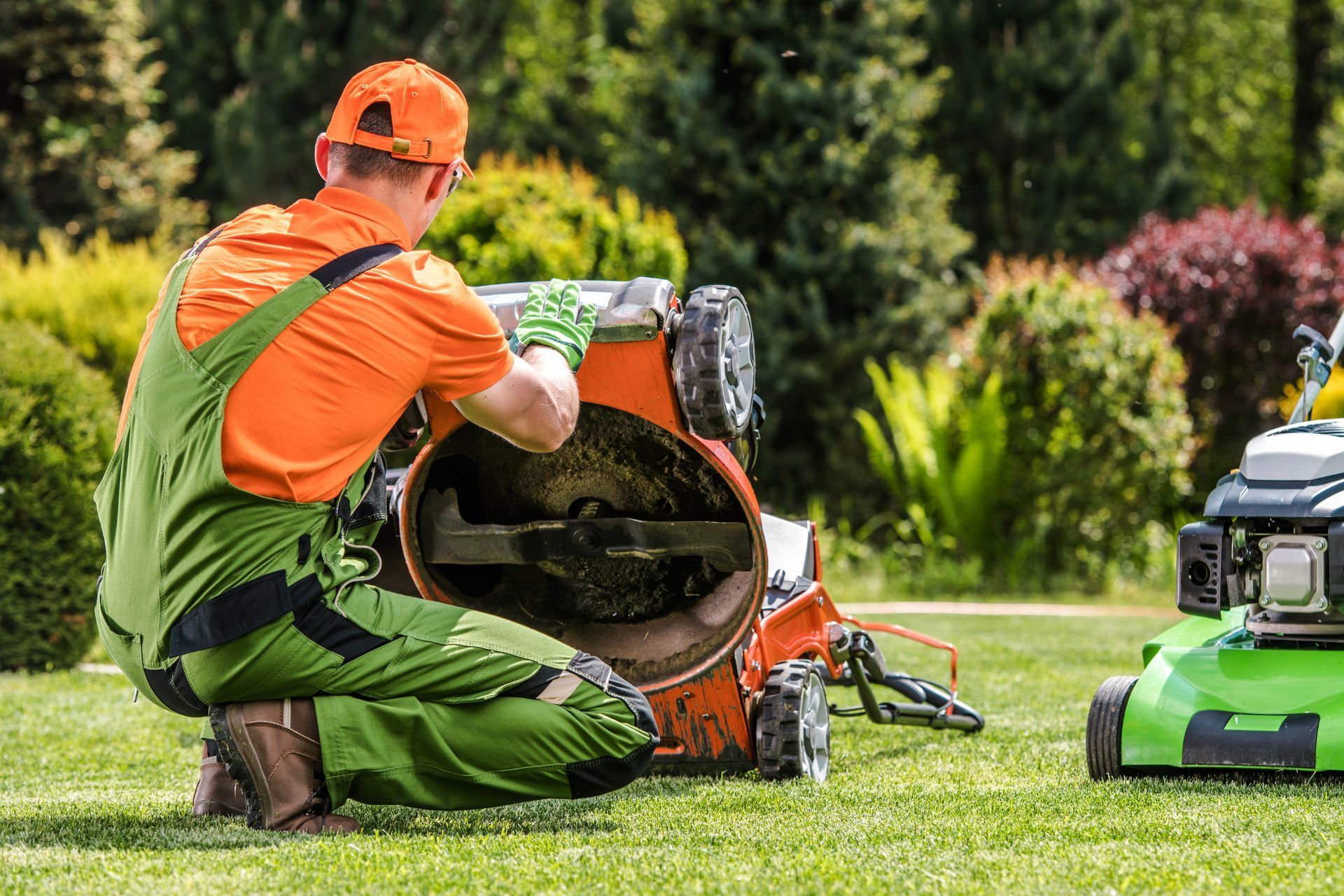
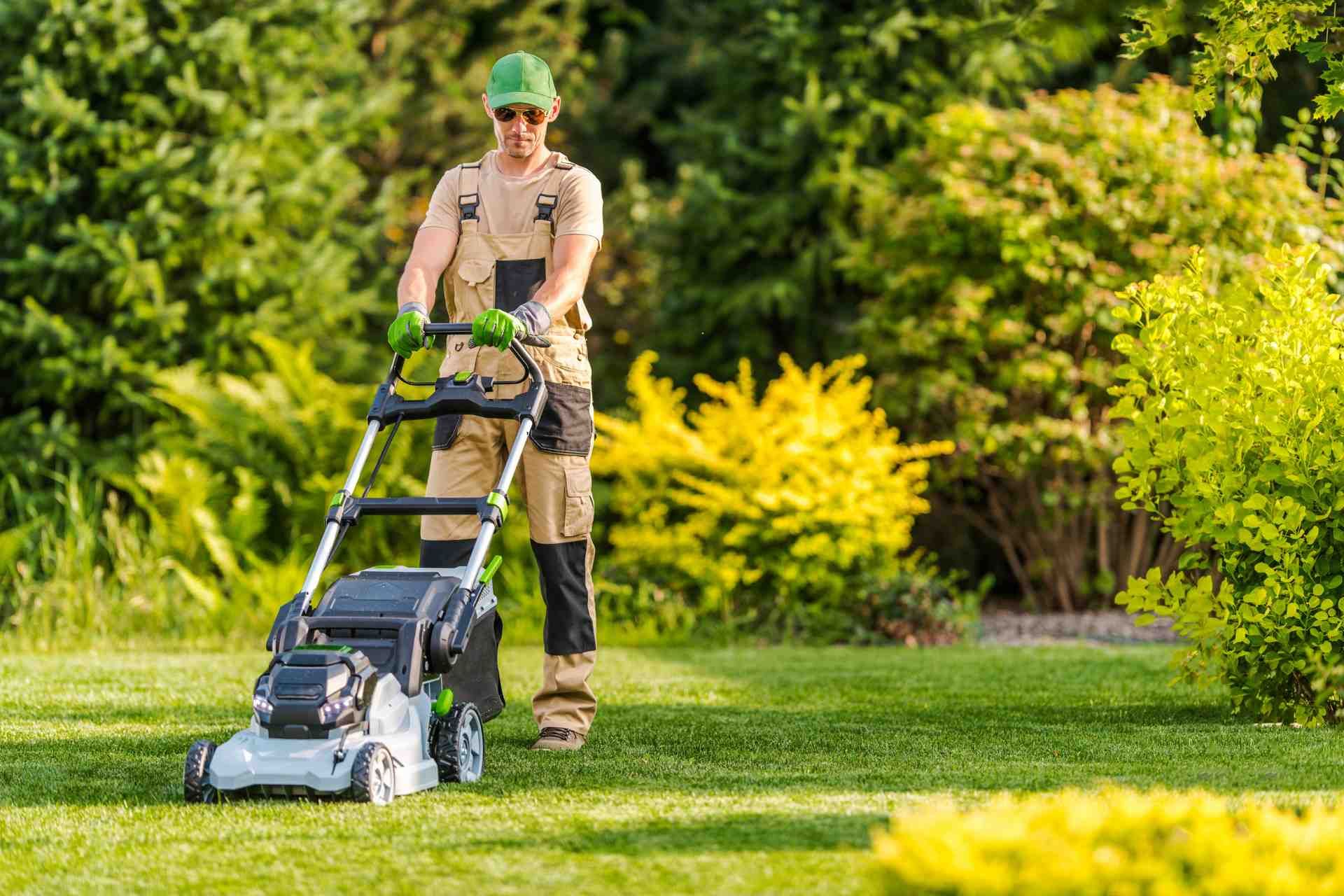
When you mow your lawn effectively, you can significantly reduce the chances of crabgrass taking hold. Start by keeping your mower blades sharp; dull blades can damage grass, making it more susceptible to crabgrass.
Aim to cut your grass at a height of about 3 inches. Taller grass shades the soil, preventing crabgrass seeds from germinating. Mow regularly and avoid cutting more than one-third of the grass height at a time. This helps promote a healthier lawn that can outcompete weeds.
Additionally, consider alternating your mowing pattern to encourage upright growth. Finally, ensure your lawn is free from clippings that can foster crabgrass growth.
Following these practices keeps your lawn strong and minimizes crabgrass invasion.
How to Improve Soil Health for a Stronger Lawn
A healthy lawn starts from the ground up, and improving your soil health is key to a vibrant and resilient yard.
Begin by testing your soil to understand its pH and nutrient levels. Amend it with organic matter, such as compost, to enhance fertility and structure.
Aerating your lawn also helps by allowing air, water, and nutrients to penetrate the soil more effectively. Regularly applying mulch can maintain moisture and suppress weeds.
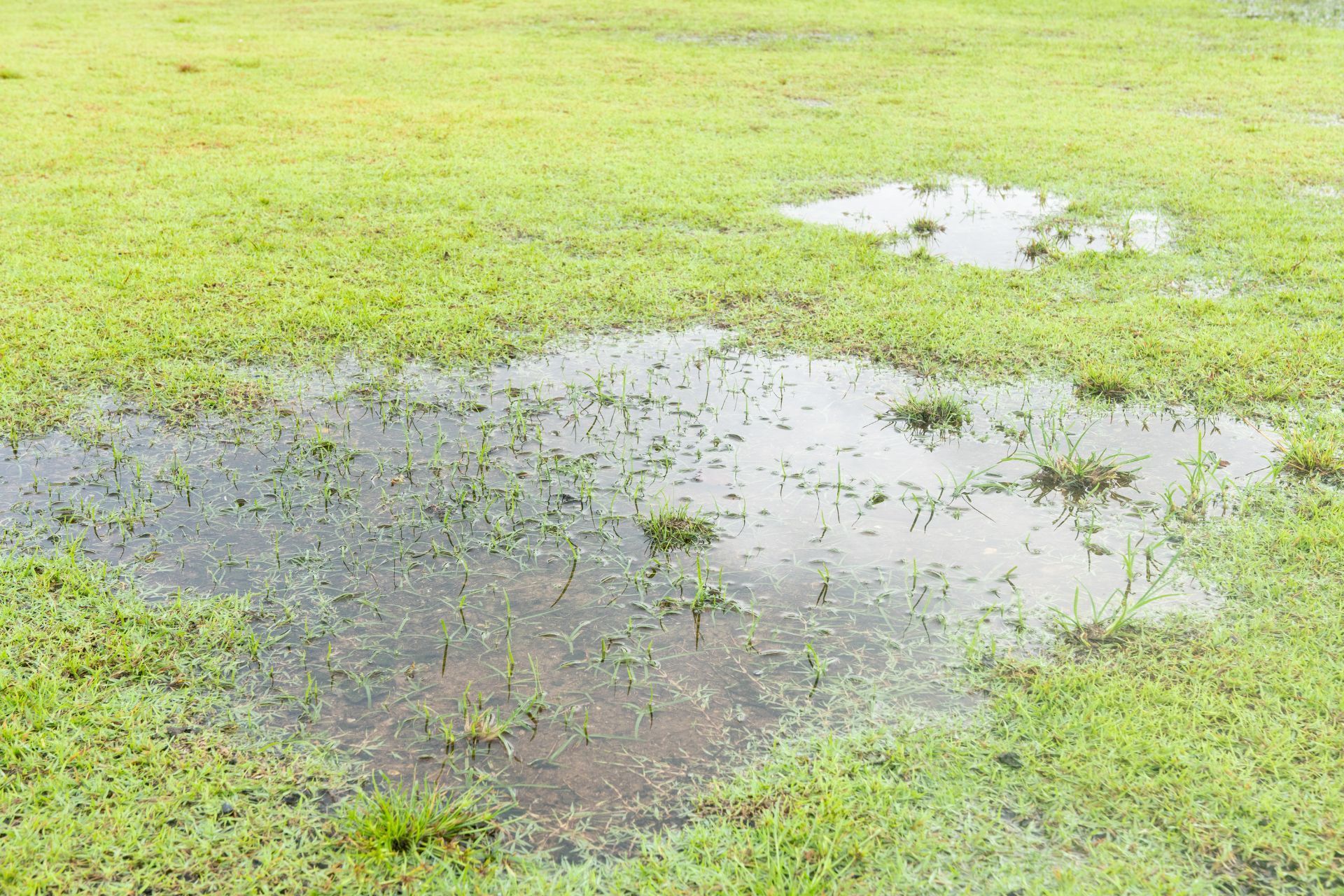
Additionally, consider using natural fertilizers, which promote beneficial microbes that improve soil health. Keep an eye on drainage, as compacted soil can lead to poor root development.
Choosing Grass Seed to Prevent Crabgrass
Choosing the right grass seed is crucial for preventing crabgrass and ensuring your lawn thrives.
Select a grass type that's well-suited for your climate and soil conditions. Cool-season grasses, like Kentucky bluegrass and tall fescue, flourish in northern regions, while warm-season varieties, such as Bermuda and zoysia, excel in southern areas.
Denser grass varieties tend to outcompete crabgrass, so opt for those that establish quickly and fill in bare spots. Make sure to choose a seed blend with a high germination rate.
Additionally, consider overseeding your lawn to strengthen existing grass and create a thicker barrier.
The Role of Fertilization in Crabgrass Prevention
Maintaining a healthy lawn goes beyond selecting the right grass seed; proper fertilization plays a key role in preventing crabgrass.
When you fertilize your lawn, you’re not just feeding the grass; you’re also improving its overall health and density. A thick, robust lawn can outcompete crabgrass for sunlight, water, and nutrients.
By applying a balanced fertilizer, you ensure that your grass grows strong and resilient, making it harder for unwanted weeds to take hold. Aim for a fertilizer with the right N-P-K ratio to suit your grass type.
Regular fertilization, especially in early spring, can create an environment where crabgrass struggles to thrive. Keep your lawn nourished, and you’ll significantly reduce the risk of crabgrass invasion.
When to Apply Pre-Emergent Herbicide?
When's the best time to apply pre-emergent herbicide for crabgrass prevention?
Ideally, you should apply it in early spring, before the soil temperature hits 55°F for a few consecutive days. This is when crabgrass seeds typically begin to germinate.
Keep an eye on your local weather and soil temperatures as spring approaches. If you miss this window, you might find yourself battling crabgrass all season long.
It’s crucial to apply the herbicide evenly across your lawn to ensure maximum effectiveness.
If you're in a warmer climate, early to mid-February might be your target. For northern regions, aim for late March to early April.
Timing is everything, so don’t wait too long!
How to Water Your Lawn to Prevent Crabgrass
To prevent crabgrass from taking over your lawn, it's essential to water it properly.
Start by watering deeply and less frequently, aiming for about one inch of water per week. This encourages your grass roots to grow deeper, making them more competitive against crabgrass.
Early morning is the best time to water, as it minimizes evaporation and fungal diseases. Avoid watering in the evening, which can leave your lawn damp overnight, creating a perfect environment for crabgrass to thrive.
Monitor your lawn closely; if you notice dry spots, adjust your watering schedule accordingly.
Top Natural Remedies for Effective Crabgrass Control
Proper watering sets the foundation for a healthy lawn, but if crabgrass has already taken hold, natural remedies can help you regain control.
Start by applying corn gluten meal, which acts as a natural pre-emergent herbicide. This can prevent new seeds from germinating. You can also try vinegar; its high acidity can kill young crabgrass plants when sprayed directly.
Another option is to use boiling water—just pour it over the affected areas to eliminate the weeds. Regularly mulching your lawn not only suppresses crabgrass but also enhances moisture retention.
Lastly, maintaining a thick, healthy lawn through proper fertilization keeps your grass strong enough to outcompete any crabgrass. With these natural approaches, you can effectively manage crabgrass growth.
When to Call in the Professionals for Crabgrass Issues
Although you can manage minor crabgrass problems with natural remedies, there are times when seeking professional help is the best choice.
If your yard is overrun with crabgrass despite your efforts, it might be time to call in the experts. Professionals can assess the severity of the infestation and recommend targeted treatments that you mightn't have access to.
Additionally, if you've tried multiple methods without success, their experience and specialized tools can make a significant difference. If you’re unsure about the products to use or how to apply them effectively, getting help ensures you won’t waste time or money.
Lastly, if crabgrass keeps returning year after year, it’s a sign that deeper underlying issues need addressing.
Conclusion
By following these lawn care tips, you can effectively prevent crabgrass and maintain a healthy, vibrant yard. Keep your grass mowed to the right height, improve soil health, and apply pre-emergent herbicides at the right time. Remember to water wisely and consider natural remedies for added protection. With consistent care and attention, you'll create a lush lawn that crowds out weeds, ensuring your outdoor space stays beautiful all season long.