How to Tell If Your Lawn Has a Drainage Problem—and What to Do About It
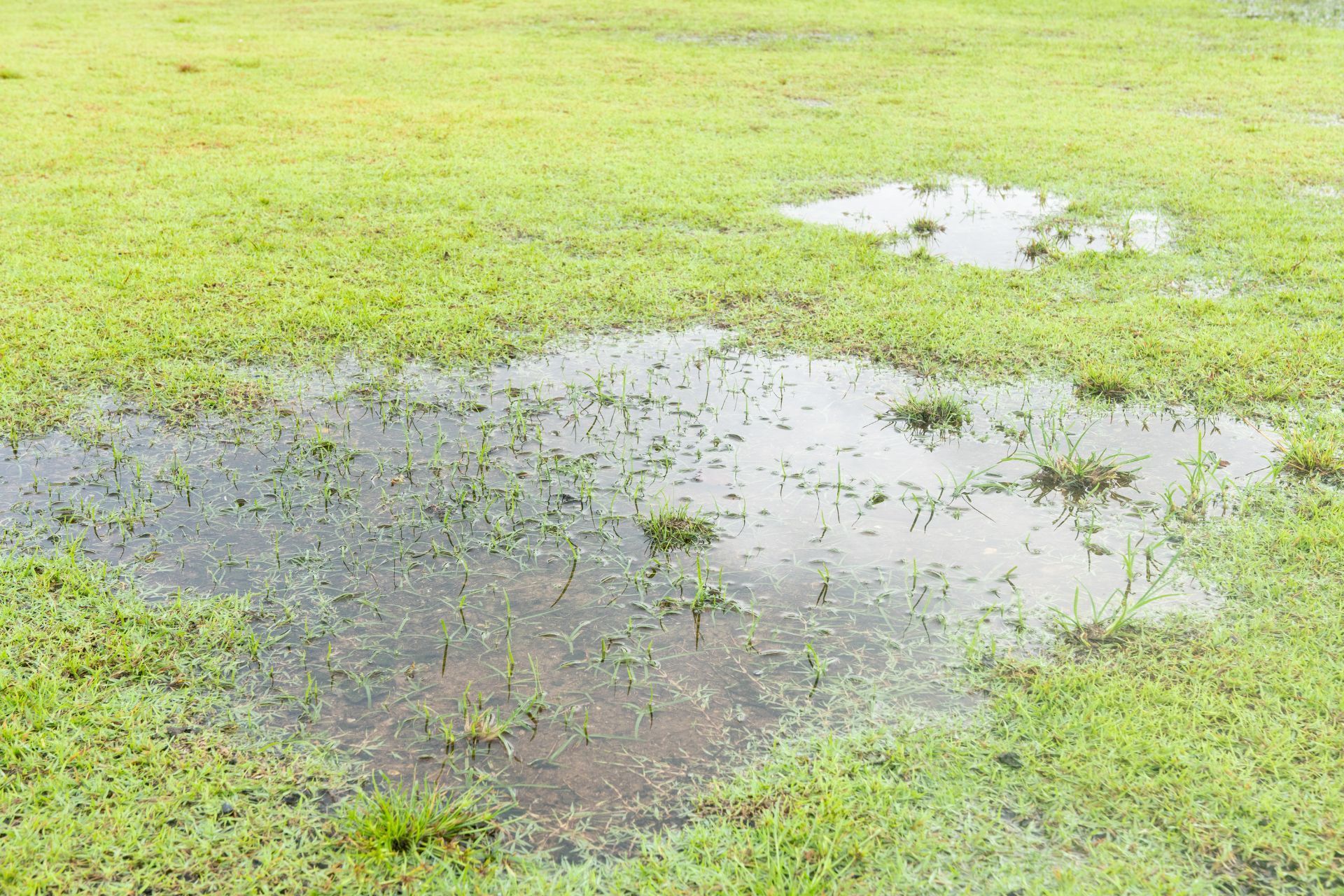
If you suspect your lawn might have a drainage problem, you're not alone. Many homeowners face issues with pooling water and soggy patches that can affect the health of their grass and plants. Identifying these problems early is crucial, but it can be tricky. Understanding the signs and knowing what steps to take next can make all the difference. Let's explore how to assess your lawn and what solutions might be right for you.
Identifying Lawn Drainage Problems
If you’ve noticed pooling water or soggy patches in your yard after rain, it’s likely time to assess your lawn for drainage issues.
Start by examining the slopes in your yard. If water tends to collect in low spots, you’ve got a drainage problem. Look for areas where grass appears lush and green compared to the rest of your lawn; this could indicate excess moisture.
Pay attention to the soil, too—if it feels consistently wet or muddy, that’s another sign. You should also check for any nearby downspouts or drainage systems that might be contributing to the issue.
Finally, observe how quickly the water disappears after a rain; slow drainage often points to deeper problems needing your attention.
Simple Tests to Diagnose Lawn Drainage Issues
How can you quickly determine if your lawn has drainage issues? Start by observing puddles after rainfall. If water lingers for more than a few hours, that’s a red flag.
Next, dig a small hole about 12 inches deep and fill it with water. If it takes more than 24 hours to drain, you’ve got a problem.
You can also check the soil texture. If it’s clay-heavy, it mightn't drain well.
Lastly, look for signs of grass stress, like yellowing or patchy areas, which could indicate poor drainage.
These simple tests will help you pinpoint if your lawn needs attention before it impacts your grass and plants.
Impact of Poor Lawn Drainage on Grass and Plants
When your lawn suffers from poor drainage, it can lead to significant stress on grass and plants. Excess water can suffocate roots, preventing them from accessing essential oxygen. This creates an environment ripe for fungal diseases, which can quickly spread and damage your plants.
You might notice yellowing leaves, stunted growth, or even plant death. Additionally, waterlogged areas can attract pests, further jeopardizing your lawn’s health. Weeds thrive in oversaturated conditions, competing for nutrients and space.
The overall aesthetic of your lawn can decline, leaving it looking patchy and unkempt. Addressing these issues promptly is crucial to maintaining vibrant grass and healthy plants, ensuring your lawn remains a beautiful outdoor space for you and your family.
How to Improve Lawn Drainage
Poor drainage not only stresses your lawn’s grass and plants but also calls for immediate action to restore balance.
Start by aerating your lawn to improve air circulation and encourage water absorption. Use a core aerator to remove small soil plugs, allowing water to penetrate deeper.
Next, consider adding organic matter, like compost, to enhance soil structure and drainage capabilities. Installing a French drain or a dry well can also redirect excess water away from problem areas.
Additionally, ensure your downspouts direct water away from your lawn.
Finally, if your lawn has low spots, fill them with topsoil to encourage proper drainage. Taking these steps will help your lawn thrive and reduce waterlogging issues.
When to Get Professional Help With Drainage?
Wondering if it’s time to call in the pros for your lawn's drainage issues? If you've tried various DIY methods and still see persistent water pooling, it might be time to seek professional help.
Signs like overly soggy patches, mold growth, or persistent insect infestations indicate a serious problem that may require expert intervention. Additionally, if your lawn’s soil composition is unclear or you suspect deeper issues, professionals can assess the situation accurately.
Don't hesitate if you’re unsure about the best solutions; experts can offer tailored advice and effective strategies.
Lastly, if you’re planning significant landscaping changes, consulting a drainage specialist can ensure your new design doesn’t exacerbate existing issues.
Preventative Tips for Maintaining Lawn Drainage
Maintaining proper lawn drainage is key to preventing issues before they arise. Start by regularly inspecting your yard for low spots where water tends to collect. If you find any, consider filling them with soil to create a more level surface.
Keep gutters and downspouts clear of debris to ensure water flows away from your lawn. Aerate your lawn annually to improve soil drainage and encourage healthy root growth.
Additionally, you should monitor your irrigation habits; overwatering can lead to drainage problems. Lastly, consider installing a rain garden or French drain to manage excess water.
Conclusion
In conclusion, keeping an eye on your lawn’s drainage is crucial for healthy grass and plants. By looking out for pooling water and soggy patches, you can catch problems early. Simple tests can help you diagnose issues, and there are effective ways to improve drainage. Don’t hesitate to seek professional help if needed. With some preventative measures, you can maintain a vibrant lawn and enjoy your outdoor space all year round.