Pest & Disease Identification Guide for Texas Lawns
If you’re a homeowner in Texas, you know that keeping your lawn healthy can be a challenge. Pests and diseases can wreak havoc, often showing up when you least expect them. Knowing how to spot these issues early is crucial for maintaining a vibrant landscape. Let’s explore the signs you should watch for and how to tackle them effectively to ensure your lawn stays lush and green throughout the year.
How to Spot Pest Infestations in Texas Lawns?
Have you ever wondered how to tell if your Texas lawn is facing a pest problem? Start by inspecting your grass for any unusual discoloration or wilting. If you notice patches of dead grass or excessive thinning, it could signal an infestation.
Next, check the leaves for holes or irregular shapes; this often indicates insect activity. You should also look for tiny droppings or webbing, which are signs of more severe infestations.
Pay attention to increased insect activity around your lawn, especially during warmer months. Lastly, monitor the soil; if it feels overly dry or damp, it may attract unwanted pests.
Recognizing Common Lawn Pests and Diseases in Texas
Identifying specific pests and diseases is key to maintaining a healthy Texas lawn. Common lawn pests in Texas include grubs, chinch bugs, and armyworms. Grubs feed on grassroots, causing brown patches, while chinch bugs suck the sap from grass blades, leading to yellowing.
Armyworms can quickly strip your lawn of its lushness, leaving bare spots in their wake.
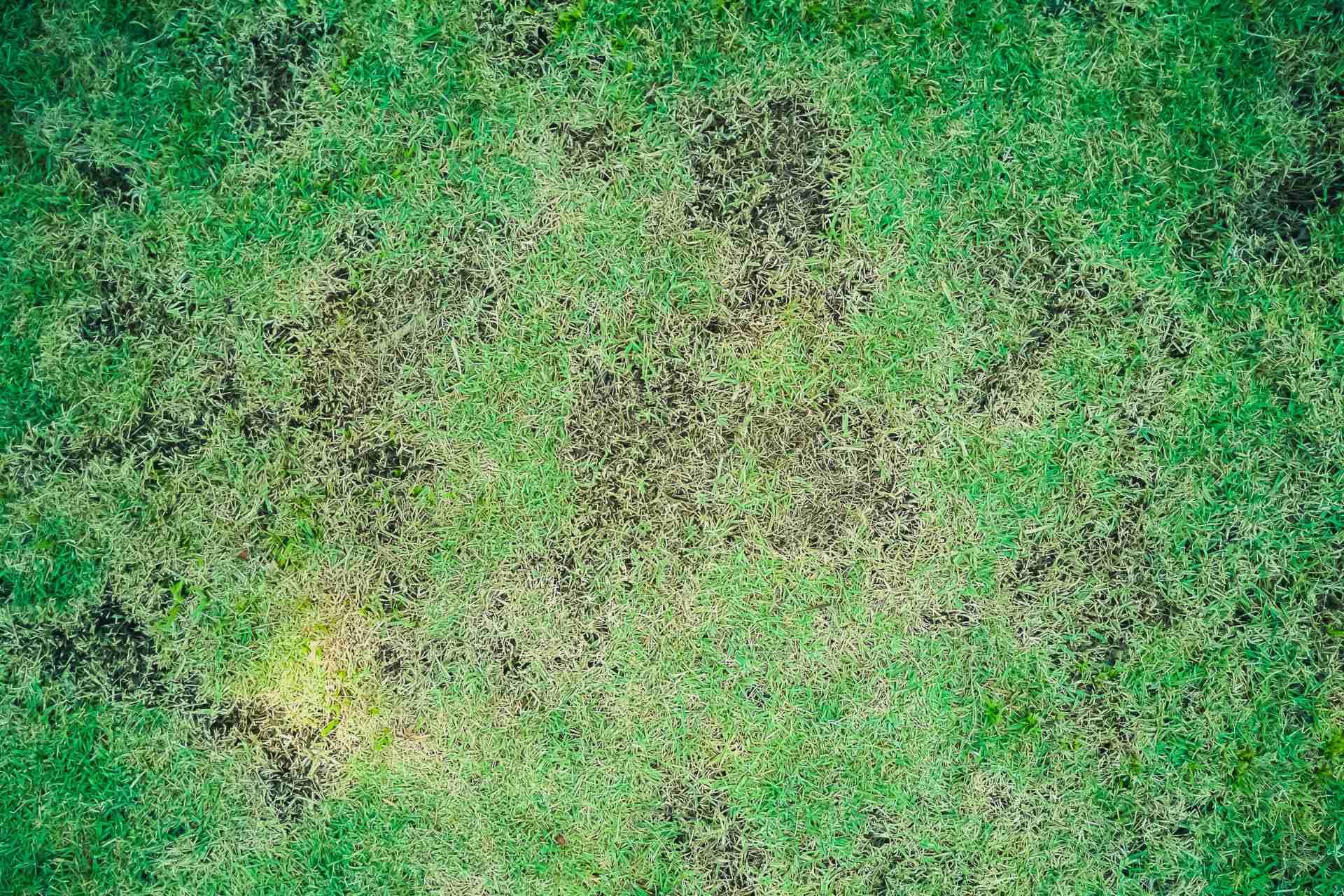
As for diseases, watch out for brown patch, which typically appears in humid conditions, and dollar spot, characterized by small, circular, dead patches.
Keeping an eye on your lawn’s health can help you catch these issues early. Regular inspections will allow you to take action before pests and diseases cause significant damage.
Stay vigilant to keep your lawn thriving!
Identifying Symptoms of Common Lawn Diseases
While enjoying your lush lawn, it’s crucial to be aware of the symptoms that indicate common diseases.
Look for brown patches that may signal fungal infections like brown patch or dollar spot. If you notice yellowing leaves, it could suggest nutrient deficiencies or root problems.
Pay attention to spots or lesions on the grass blades, as these can indicate diseases like leaf spot or rust. You might also observe thinning grass or unusual wilting, which can be signs of root rot or other issues.
Additionally, if your lawn feels spongy underfoot, it may be suffering from thatch buildup or fungal activity.
Regularly inspecting your lawn will help you identify these symptoms early and take appropriate action.
Integrated Pest Management Strategies for Texas Lawns
Recognizing symptoms of lawn diseases is just the first step in maintaining a healthy yard. To effectively manage pests and diseases, you should adopt an Integrated Pest Management (IPM) approach.
Begin by monitoring your lawn regularly to identify problems early. Use cultural practices like proper watering, mowing, and fertilization to promote grass health, making it less susceptible to pests.
Encourage beneficial insects that naturally control harmful species. If you must use pesticides, choose targeted options and apply them sparingly, following label instructions carefully.
Rotate your pest management strategies to prevent resistance. Finally, always stay informed about local pest trends and adapt your practices accordingly.
Treating Common Lawn Pests Effectively
To effectively treat common lawn pests, you need to first pinpoint the specific issue affecting your grass. Look for signs like discoloration, holes in leaves, or visible insects.
Once you've identified the pest, choose an appropriate treatment method. For soft-bodied pests like aphids or spider mites, insecticidal soaps can be very effective. If you're dealing with grubs or beetles, consider applying nematodes or targeted insecticides.
Always follow application instructions carefully to avoid harming beneficial insects. Timing is crucial; treat early in the infestation for the best results.
Additionally, maintain your lawn’s health with proper watering and mowing practices. A strong lawn can better resist pest attacks, making your treatment efforts more successful.
How to Keep Your Lawn Disease-Free
Keeping your lawn healthy isn't just about managing pests; it's also vital to prevent diseases that can harm your grass.
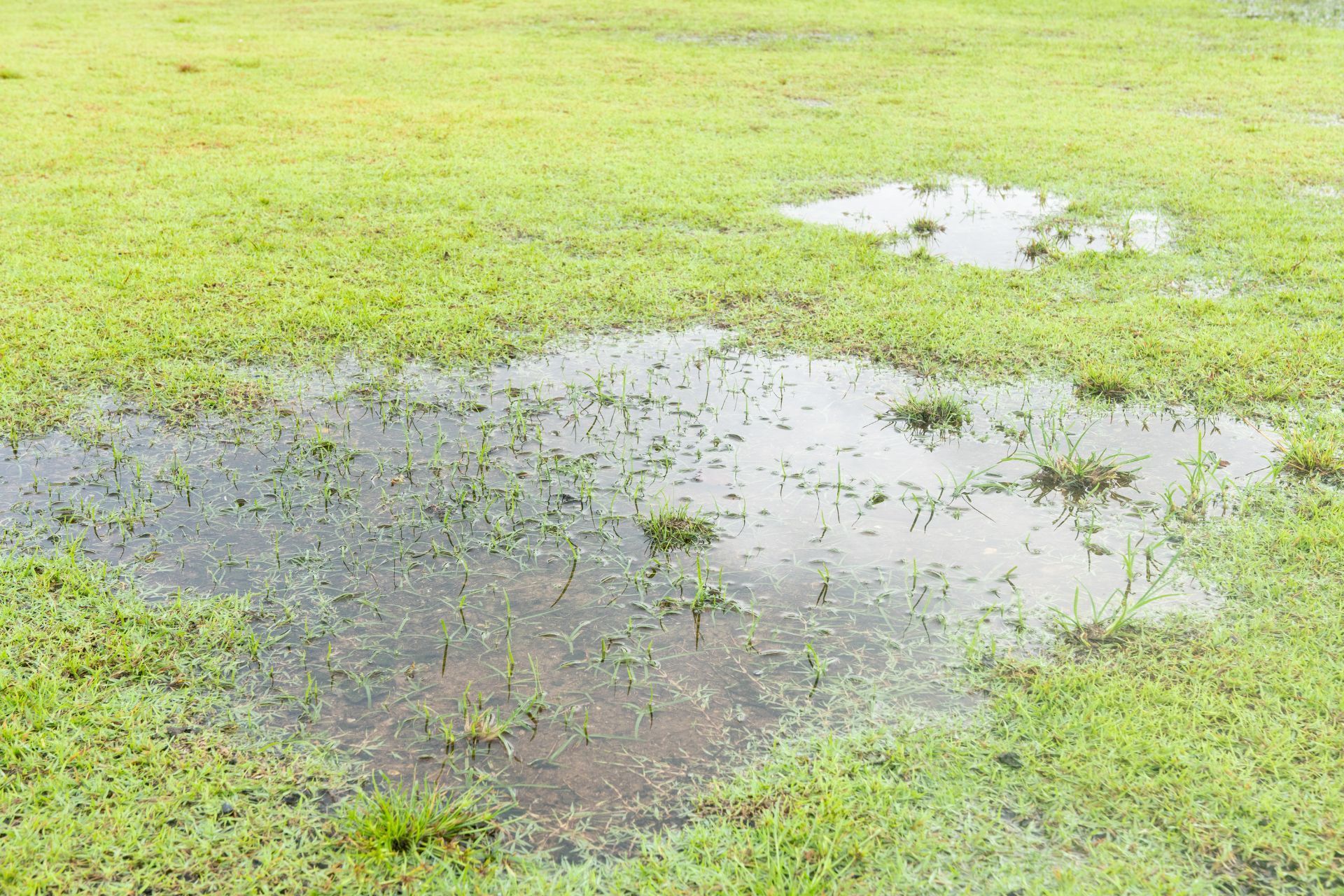
Start by ensuring proper watering practices—avoid overwatering, as soggy soil can encourage fungal growth.
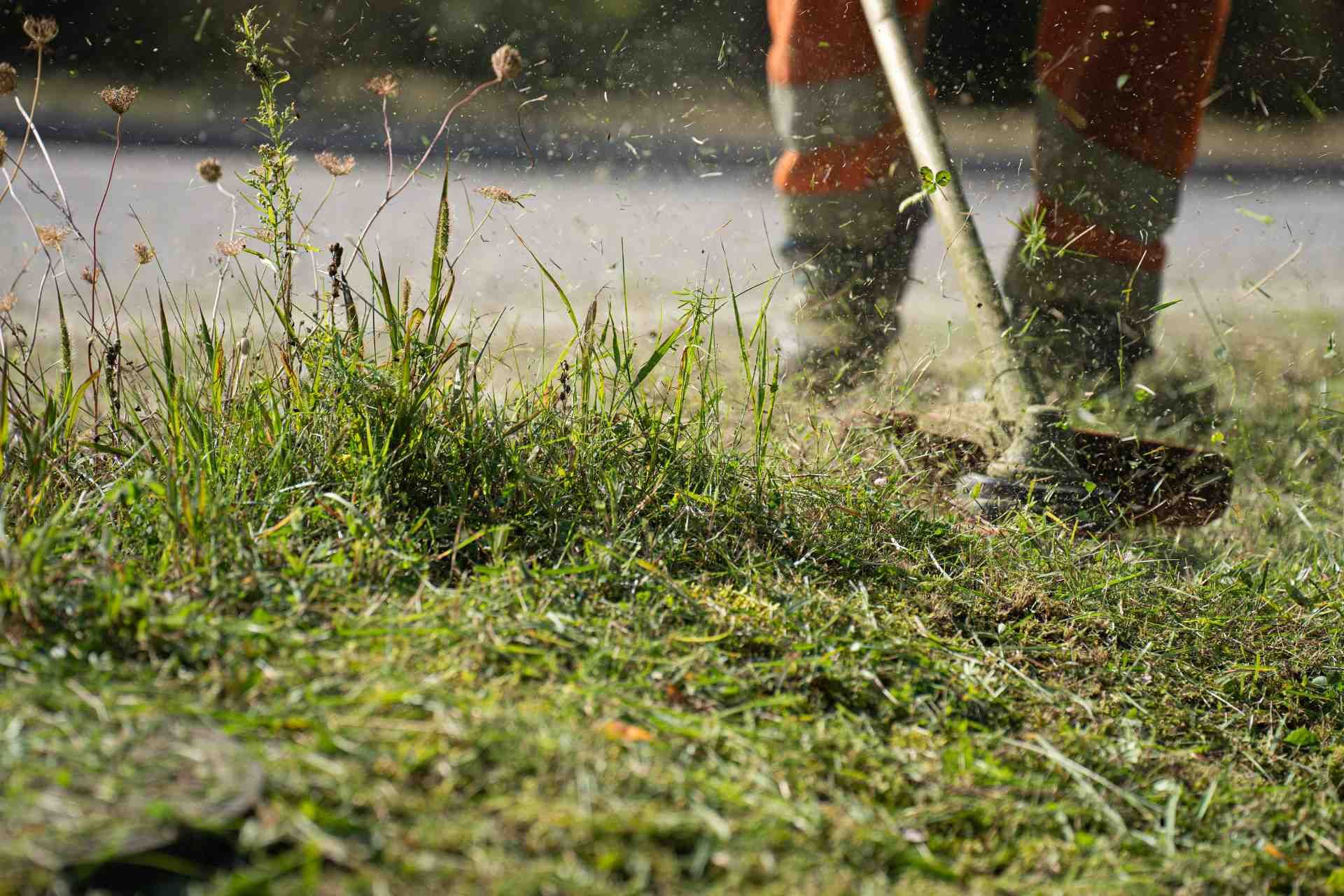
Mow your lawn regularly, but don’t cut it too short; maintaining the right height helps the grass stay resilient.
Aerate your soil to improve drainage and allow nutrients to reach the roots more effectively.
Keep an eye out for any signs of disease, like discoloration or wilting, and address them promptly.
Fertilize appropriately, using the right nutrients for your grass type, and consider rotating your fertilizers to avoid nutrient buildup.
Lastly, practicing crop rotation and diversifying your plants can help keep diseases at bay.
Seasonal Tips for Maintaining a Healthy Texas Lawn
As the seasons change in Texas, your lawn requires specific attention to thrive year-round.
In spring, focus on aerating your soil and applying a balanced fertilizer to promote growth.
As temperatures rise in summer, water deeply but infrequently to encourage deeper root systems. Watch for pests and treat them promptly to prevent damage.
In fall, overseed with cool-season grasses to maintain color and health through winter.
Finally, during winter, keep your lawn clear of debris and limit foot traffic to protect dormant grass.
By adjusting your care routine with the seasons, you’ll ensure your lawn stays lush and vibrant throughout the year.
Frequently Asked Questions About Lawn Care in Texas
Wondering about the best practices for lawn care in Texas? You’re not alone! Many homeowners have similar questions.
Start by knowing your grass type; warm-season grasses like Bermuda and Zoysia thrive in the Texas heat.
Water deeply but infrequently, aiming for about an inch per week, including rainfall.
Mow high—keeping the blades around 2.5 to 4 inches helps your lawn retain moisture and resist pests.
Fertilize in late spring and again in early fall to promote healthy growth.
If you spot pests or diseases, identify them early for effective treatment.
Don't forget to aerate your soil annually to improve nutrient absorption.
With these tips, you’ll enjoy a vibrant, healthy lawn all year round!
Conclusion
By staying vigilant and using this guide, you'll be well-equipped to tackle any pest or disease issues in your Texas lawn. Remember to monitor for symptoms, recognize common pests, and implement integrated management strategies. With a little effort and the right techniques, you can keep your lawn healthy and vibrant all year round. Don’t hesitate to reach out for help if needed, and enjoy the satisfaction of a thriving outdoor space!