What Your Lawn Is Telling You: Common Signs of Stress in McKinney Turfgrass

Your lawn can communicate a lot about its health, especially in McKinney's unique climate. Have you noticed yellowing blades or brown patches? These signs aren’t just cosmetic; they indicate underlying issues that need attention. Understanding what your turfgrass is trying to tell you is crucial for maintaining its vitality. So, what do those discolorations really mean, and how can you address them effectively? Let's explore the common signs of stress that could be affecting your yard.
Understanding Turfgrass Stress in McKinney
Understanding turfgrass stress in McKinney is essential for maintaining a healthy lawn, especially since local weather conditions can fluctuate dramatically.
The intense heat of summer and occasional drought can lead to stress, impacting your lawn's appearance and health. You need to recognize that factors such as soil compaction, poor drainage, and inadequate watering can exacerbate these issues.
Soil health plays a crucial role in your turfgrass's ability to cope with stress, so consider testing it to identify any deficiencies.
Additionally, proper mowing practices can help alleviate stress. By staying proactive and monitoring your lawn’s needs, you can create a resilient turfgrass that withstands the challenges posed by the local climate.
Common Signs of Discoloration in Your Turfgrass
Discoloration in your turfgrass often signals underlying stress or health issues that need your attention.
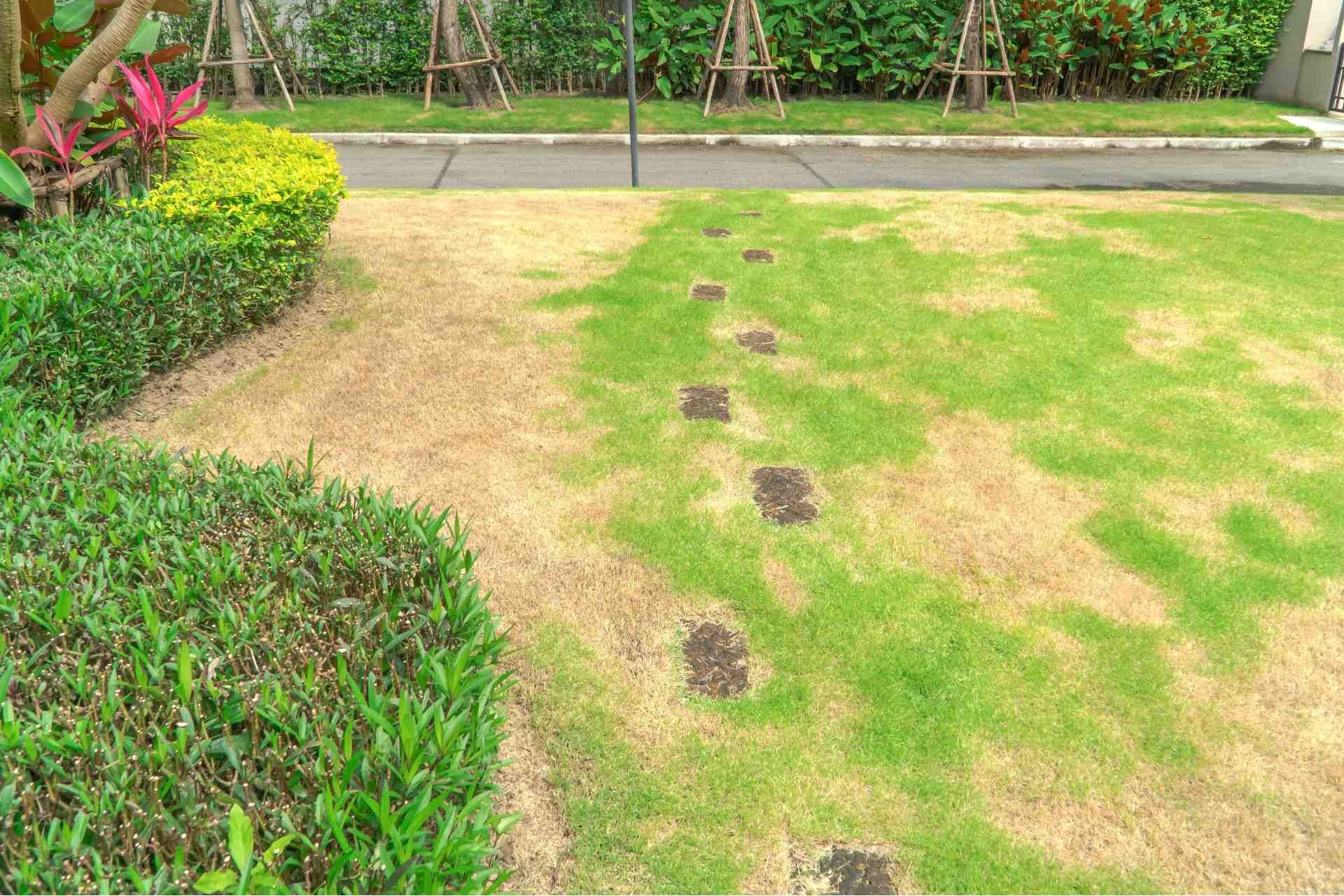
Yellowing blades can indicate nutrient deficiencies, particularly nitrogen, while brown patches might suggest drought stress or disease. If you notice a bluish tint, it could mean your grass is stressed from over-watering or poor drainage.
Additionally, uneven color can point to soil compaction or pest infestations, affecting nutrient uptake. Pay close attention to these signs, as they can help you identify the root cause of your lawn's distress.
Regularly inspecting your turfgrass will enable you to take timely action, ensuring your lawn stays healthy and vibrant.
Don't ignore these warning signs; your proactive measures can make a significant difference in your lawn's overall health.
Why Are There Patchy Areas in My Lawn?
Why do you have those patchy areas in your lawn? Several factors could be at play.
First, inadequate watering might leave some sections dry, while others thrive. Poor soil quality can create uneven growth, leading to bare spots.
You might also notice patches if pests, like grubs or chinch bugs, have invaded your turf, damaging specific areas. Additionally, diseases caused by fungi can result in unsightly patches that detract from your lawn’s beauty.
Lastly, foot traffic and lawn equipment can compact soil in certain spots, preventing healthy grass growth.
To address these issues, inspect your lawn closely and consider appropriate remedies like aeration, pest control, or improved watering techniques to restore that lush, green look.
Understanding Wilting Blades and Lawn Health Indicators
Patchy areas in your lawn can signal underlying health issues, and one of the most telling signs is wilting blades. When you notice these blades drooping or curling, it often indicates that your turfgrass is lacking essential moisture.
This wilting can also result from nutrient deficiencies or pest infestations. Pay attention to the color of the blades; if they’re turning yellow or brown, it could mean the grass is struggling.
Check the soil moisture and ensure it’s adequately hydrated. Regularly inspecting your lawn for these indicators will help you maintain its health.
How to Address Unusual Growth Patterns in Your Lawn
When you notice unusual growth patterns in your lawn, it's important to act quickly to identify and resolve the underlying issues.
First, inspect the affected areas for signs of pests or disease, as these can disrupt growth. If you find pests, treat them with appropriate insecticides or natural remedies.
Next, evaluate your watering and fertilization routines; over or under-watering can lead to uneven growth. Adjust your watering schedule to ensure consistent moisture.
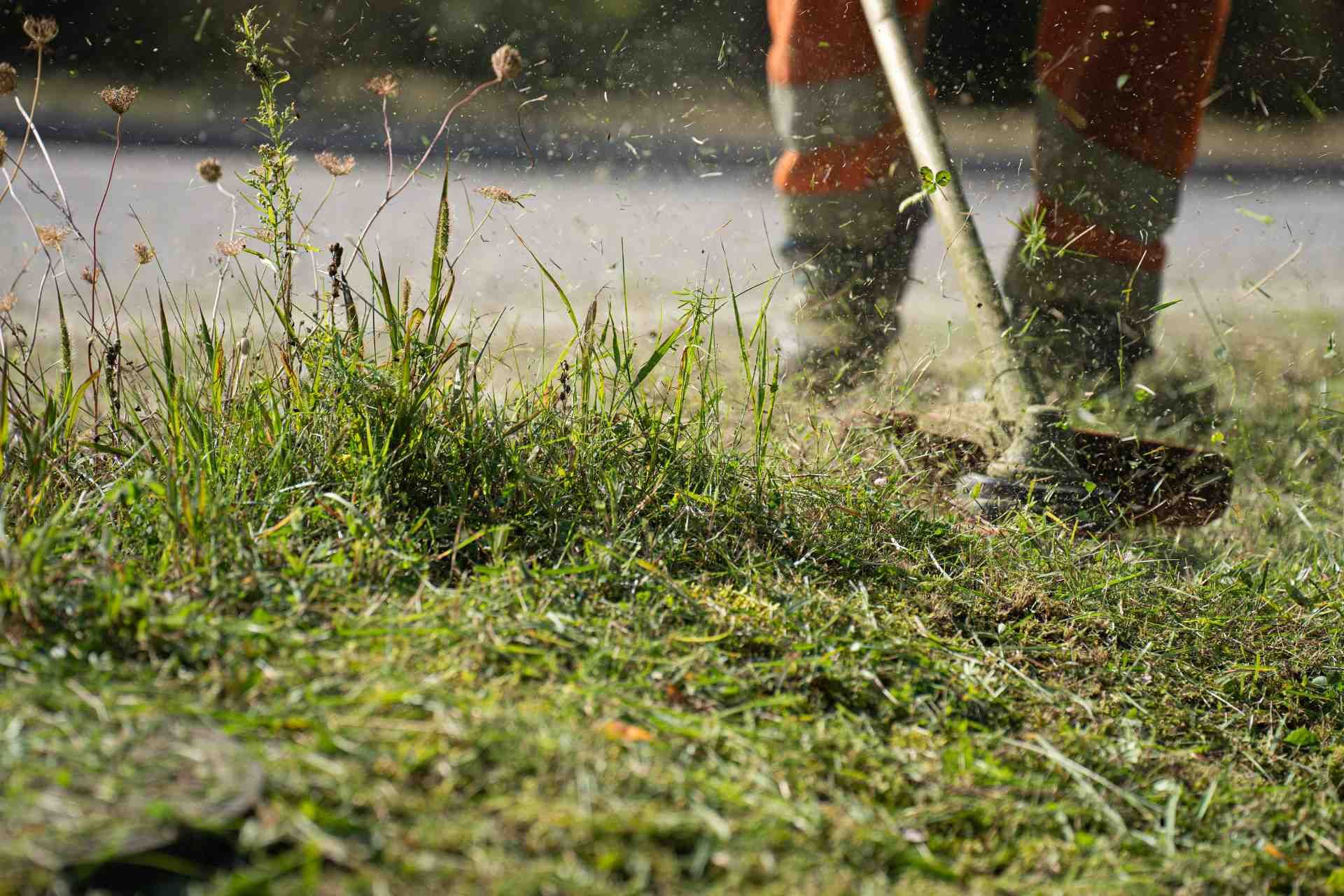
Lastly, consider the mowing height—cutting too low can stress your grass. Raise your mower blade to allow your turfgrass to recover and grow more evenly.
The Effects of Soil Compaction on Turfgrass
Soil compaction can significantly hinder the health of your turfgrass, making it essential to recognize its symptoms early.
When soil particles are tightly packed, air and water can't penetrate effectively, leading to poor root development. You might notice your grass struggling to absorb nutrients, resulting in a dull appearance and stunted growth.
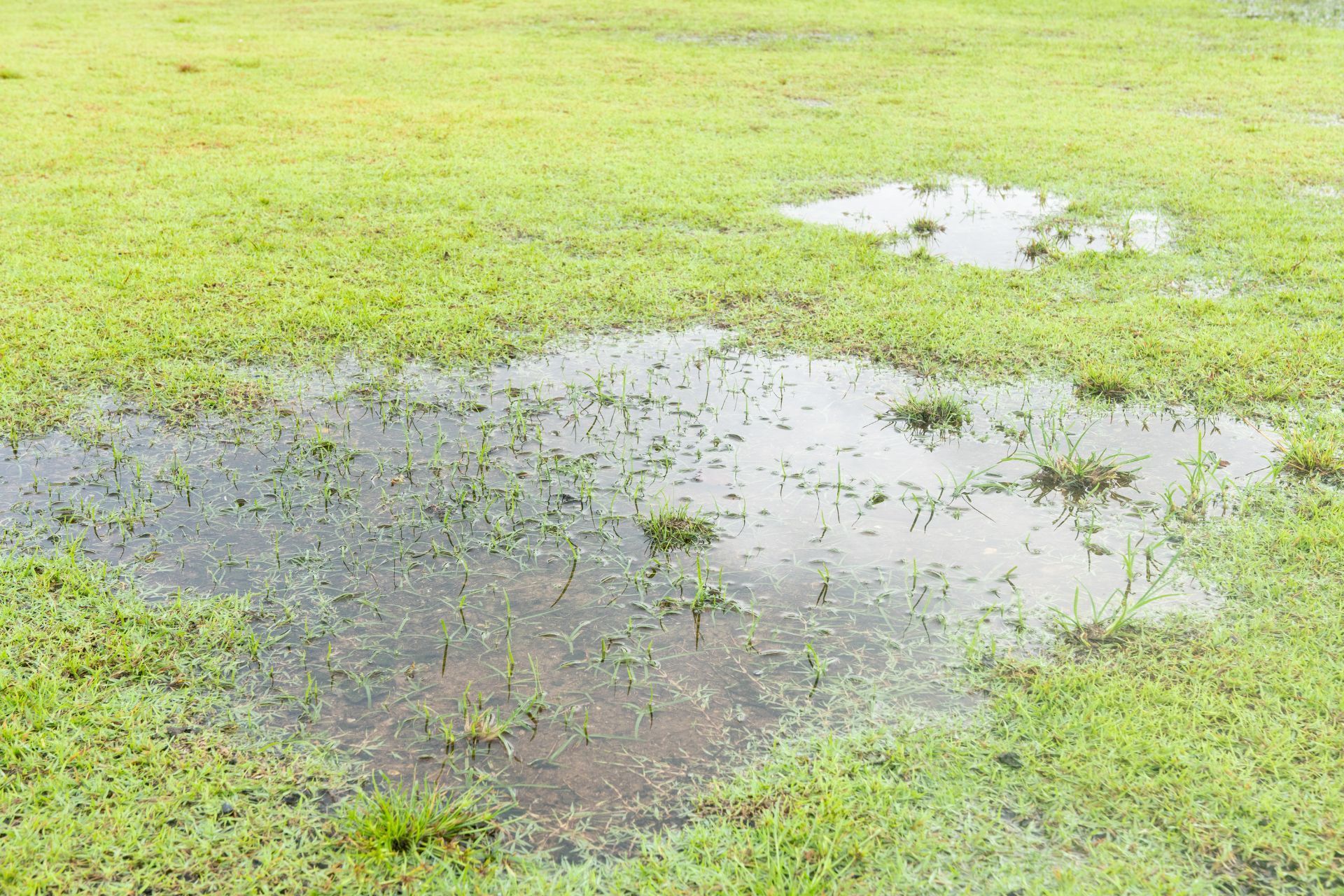
The compacted soil can also create an environment where drainage is inadequate, causing waterlogging during heavy rains. This stress can make your lawn more susceptible to diseases and pests.
To alleviate compaction, aerate your soil regularly, especially in high-traffic areas. By doing this, you’ll improve air flow, encourage deeper root growth, and promote a healthier, more resilient lawn.
How Pests Affect the Health of Your Lawn
Compacted soil isn’t the only threat to your lawn’s health; pests can wreak havoc too. Grubs, chinch bugs, and armyworms can damage your turfgrass, leading to brown patches and thinning areas.
These pests feed on grass roots or blades, weakening your lawn and making it more susceptible to diseases. You might notice increased insect activity or even see them crawling on your grass.
Monitoring your lawn regularly helps you catch pest problems early. If you spot any signs of infestation, take action quickly—use natural or chemical treatments as needed.
Maintaining a healthy lawn through proper watering and fertilization can also help deter pests. Remember, a strong lawn is your best defense against these unwanted critters!
Signs of Drought Stress in Your Turfgrass
As temperatures rise and rainfall becomes scarce, your turfgrass can show signs of drought stress that are hard to miss.
Watch for a change in color; your once vibrant green lawn may turn a dull brown or gray. The grass blades might feel crispy to the touch, indicating it's lost moisture.
You'll also notice the grass wilting or folding, which is its way of conserving water. Additionally, if you see footprints remaining on the lawn long after you walk on it, that’s a sign it’s struggling.
Finally, check for brown patches that appear irregularly; these often signify areas where the grass can’t access enough water.
Addressing these signs promptly can help revive your turfgrass before it’s too late.
Seasonal Changes and Their Impact on Your Lawn
When seasons change, your lawn can react in noticeable ways that impact its health and appearance.
In spring, you'll see vibrant growth as temperatures rise and rainfall increases. However, as summer sets in, heat stress may cause browning or wilting, signaling that your turfgrass needs more water.
Fall brings a slowdown in growth, but it's also a prime time for overseeding, helping your lawn recover from summer's wear.
Winter can be harsh, leading to dormancy; your grass may turn brown but don’t worry—it’s just resting.
Each seasonal shift affects your lawn's vitality, and being aware of these changes can help you take proactive steps to maintain its beauty and resilience throughout the year.
Best Practices for Reviving Stressed Turfgrass
To revive stressed turfgrass effectively, you need to assess the underlying issues first. Check for pests, diseases, or soil compaction that might be causing the problem.
Once you identify the culprit, take action. Aerate the soil if it's compacted, allowing better air and water penetration. Apply the right fertilizers to boost nutrient levels, but avoid over-fertilizing, which can worsen stress.
Water your lawn deeply and infrequently to encourage deep root growth, especially during dry spells. Mow at the correct height to promote healthier grass and reduce stress.
Lastly, be patient; recovery can take time. Regularly monitor your lawn’s health and adjust your care routine as needed to ensure your turfgrass thrives in the long run.
Conclusion
By paying attention to your lawn's signs of stress, you can keep it healthy and vibrant. Whether it's yellowing blades or patchy areas, understanding these indicators helps you take action before problems escalate. Regular inspections and timely interventions are key to maintaining your turfgrass. Remember, a little care goes a long way in reviving stressed areas and ensuring your lawn thrives through seasonal changes. Stay proactive, and your lawn will reward you with lush greenery!