How Do I Start A Lawn From Scratch In Frisco Or Prosper Texas

Starting a lawn from scratch in Frisco or Prosper, Texas, requires some planning and preparation. You'll need to consider the local climate and soil conditions before making any decisions. It's essential to understand what type of grass will thrive in your area and how to properly prepare your yard. Once you've got that down, you'll face the choice between sowing seeds or laying sod. What comes next might surprise you—let's explore your options.
Understanding the Climate and Soil for Texas Lawns
When you’re planning to start a lawn in Frisco or Prosper, it’s crucial to understand the unique climate and soil conditions of Texas. The region experiences hot summers and mild winters, which means you'll need to prepare for temperature extremes.
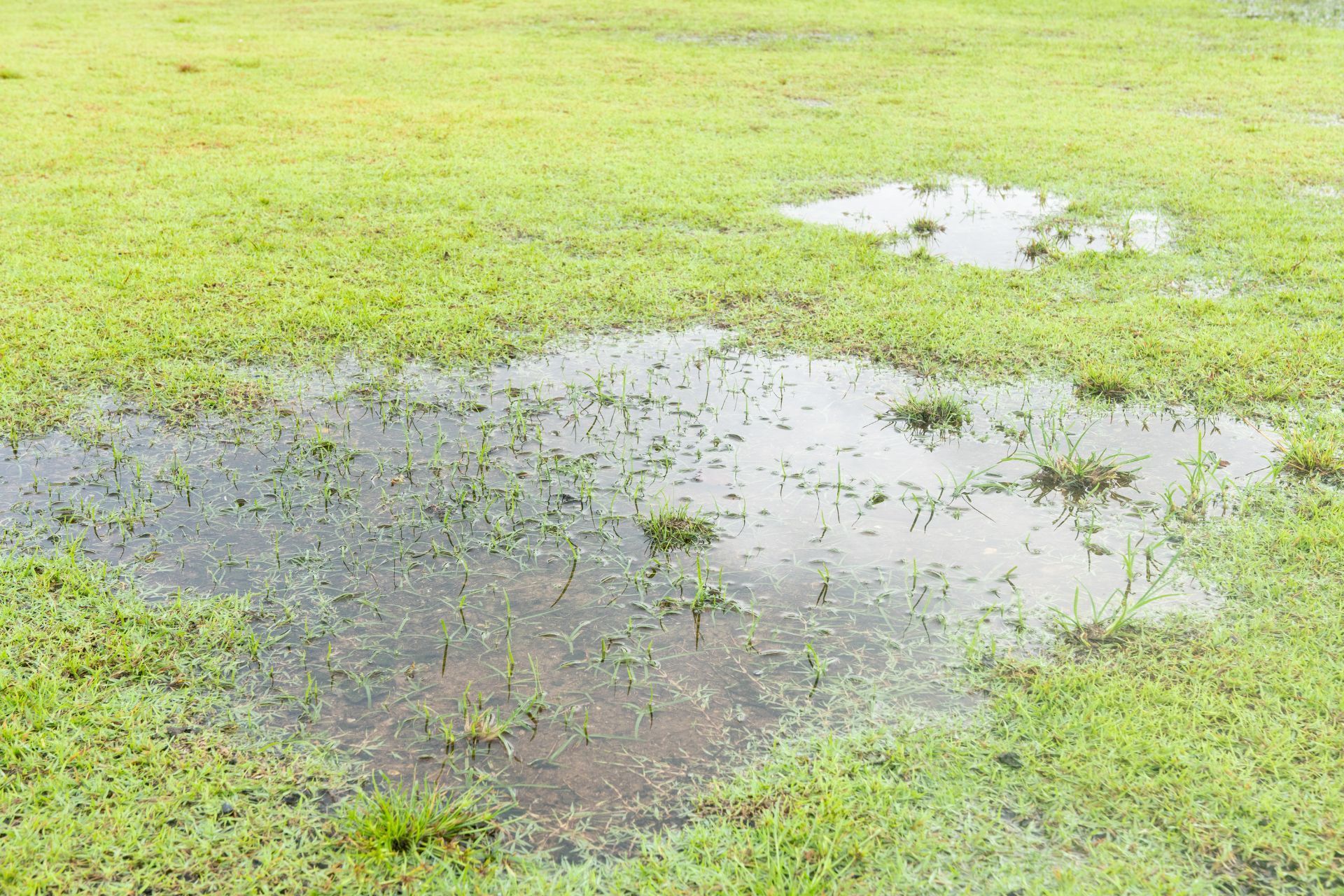
Soil in North Texas often consists of clay, which can retain water but may also compact easily. You’ll want to assess your soil’s drainage and nutrient levels, as this can impact your lawn’s health.
Testing your soil is a smart move; it’ll help you determine if you need to amend it with organic matter or fertilizers. By understanding these factors, you can create a solid foundation for your new lawn, ensuring it thrives in the Texas environment.
Choosing the Best Grass Type for Texas Lawns
Selecting the right grass type for your lawn is essential since it directly influences your lawn's health and appearance.
In Frisco and Prosper, you’ll want to consider warm-season grasses that thrive in the Texas heat. Bermuda grass is a popular choice for its durability and vibrant green color.
Zoysia grass offers a dense, lush lawn and withstands foot traffic well. If you prefer a low-maintenance option, consider buffalo grass; it’s drought-resistant and requires less mowing.
St. Augustine grass provides a thick, carpet-like lawn but needs more water and shade.
Evaluate your lawn's sun exposure, soil type, and how much wear and tear it’ll experience to choose the best grass for your needs.
How to Prepare Your Yard for Lawn Establishment
After choosing the right grass type for your lawn, preparing your yard for establishment is the next step. Start by clearing any debris, rocks, or old grass to create a clean slate.
Next, test your soil’s pH and nutrient levels; this will help you determine if amendments are needed. If the soil is compacted, consider aerating it to enhance drainage and root growth.
Rake the area to level it out, removing any high or low spots. Adding organic matter, like compost, can improve soil quality.
Finally, water the area lightly to moisten the soil before you sow seeds or lay sod. Taking these steps will set a solid foundation for your new lawn to thrive.
Sowing Grass Seed vs. Laying Sod: Which Is Best?
What’s the best way to establish your new lawn: sowing grass seed or laying sod? Each method has its pros and cons.
Sowing grass seed is generally more cost-effective and allows for a wider variety of grass types. You can easily customize the mix to suit your yard’s conditions. However, it requires patience, as seeds take time to germinate and establish.
On the other hand, laying sod gives you an instant lawn, which is great if you want immediate results. It’s less prone to erosion and weeds initially, but it can be pricier.
Think about your budget, timeline, and how involved you want to be in the process. Ultimately, your choice depends on your specific needs and preferences.
Key Lawn Care Tips for New Grass
Once you’ve decided between sowing grass seed or laying sod, the next step is to focus on nurturing your new lawn.
First, keep the soil free from debris and weeds to ensure your grass has the best chance to thrive. If you’ve sown seeds, lightly rake the area to cover them with soil. For sod, make sure the edges of each piece fit together snugly.
Next, apply a starter fertilizer to encourage strong root development. Monitor the grass as it establishes; avoid heavy foot traffic initially. Regularly check for pests or diseases, addressing any issues promptly.
Lastly, be patient—your lawn will take time to develop into a lush, green space. Stick to these tips, and you’ll achieve great results!
Optimal Watering Techniques for New Lawns
How do you ensure your new lawn gets the right amount of water? Start by watering lightly and frequently during the first couple of weeks. Aim for about 10 to 15 minutes per session, ensuring the soil stays consistently moist without becoming soggy.
Early morning is the best time to water, as it reduces evaporation and helps prevent disease. Once your grass is established, you can gradually shift to deeper, less frequent watering—about once or twice a week—encouraging deeper root growth.
Always adjust based on rainfall and temperature. Use a rain gauge to monitor how much water your lawn receives and ensure it gets about 1 to 1.5 inches of water weekly for optimal health.
How to Handle Common Lawn Problems in Texas
Keeping your new lawn healthy requires vigilance, especially when dealing with common issues that can arise in the Texas climate.
You might encounter pests like grubs or chinch bugs, which can damage your grass. Regularly inspect your lawn and consider using insecticidal soap for treatment.
If you notice brown patches, it could be a sign of drought stress or disease. Adjust your watering schedule to ensure your grass receives adequate moisture without overwatering.
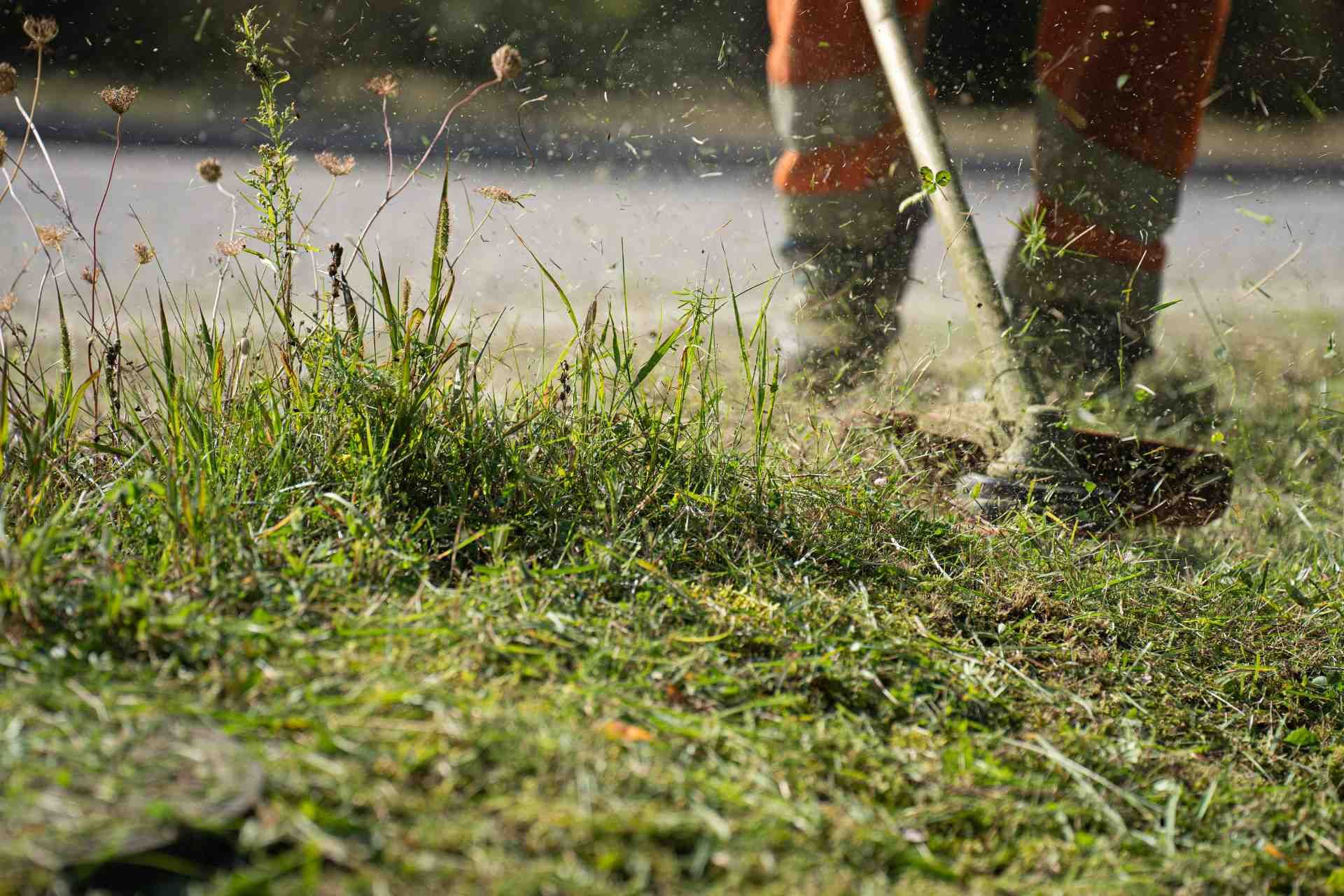
Additionally, watch for weeds that can quickly take over. Hand-pulling or applying a selective herbicide can help manage them.
Finally, soil health is crucial—test your soil regularly and amend it as needed to keep your lawn thriving. Addressing these problems early can save you time and effort later.
Maintaining Your Texas Lawn for Long-Term Success
While establishing your lawn is a significant first step, maintaining it for long-term success is equally important.
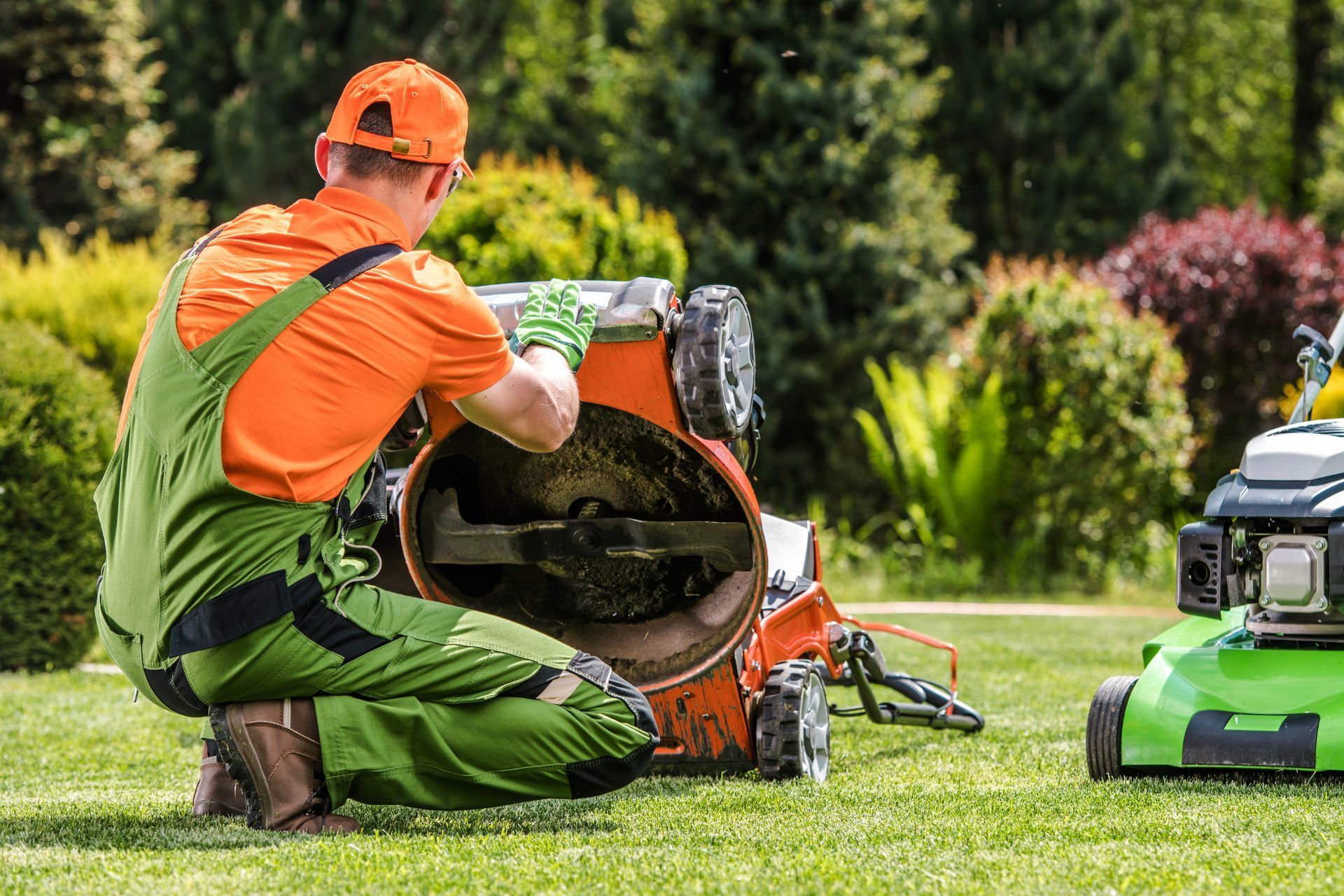
Regular mowing keeps grass healthy and encourages dense growth. Aim to mow at the proper height for your grass type—this helps prevent weeds and promotes root strength.
Water deeply and infrequently to encourage deep root systems; early morning is the best time to do this.
Fertilize based on soil tests to provide essential nutrients.
Keep an eye out for pests and diseases, treating them promptly to avoid further damage.
Aerating your lawn every year helps combat compaction and improve water absorption.
Lastly, don’t forget to overseed when necessary, ensuring your lawn remains lush and vibrant throughout the seasons.
Conclusion
Starting a lawn from scratch in Frisco or Prosper, Texas, can be a rewarding project. By understanding your local climate and soil, choosing the right grass type, and properly preparing your yard, you set the stage for success. Whether you opt for seeds or sod, remember to care for your new lawn with proper watering and maintenance. With a little patience and effort, you'll enjoy a lush, green lawn that enhances your outdoor space for years to come.