How to Improve Drainage in Your Yard Without Major Construction

If you're struggling with water pooling in your yard, you're not alone. Many homeowners face drainage issues that can harm their landscape and property. Fortunately, there are effective, non-invasive methods to enhance drainage without extensive construction. From simple regrading techniques to creating rain gardens, you can make significant improvements with minimal effort. Curious about the best strategies to tackle these challenges effectively? Let's explore the options that can transform your outdoor space.
Common Drainage Issues Homeowners Face
When homeowners don't address drainage issues promptly, they can quickly escalate into major problems.
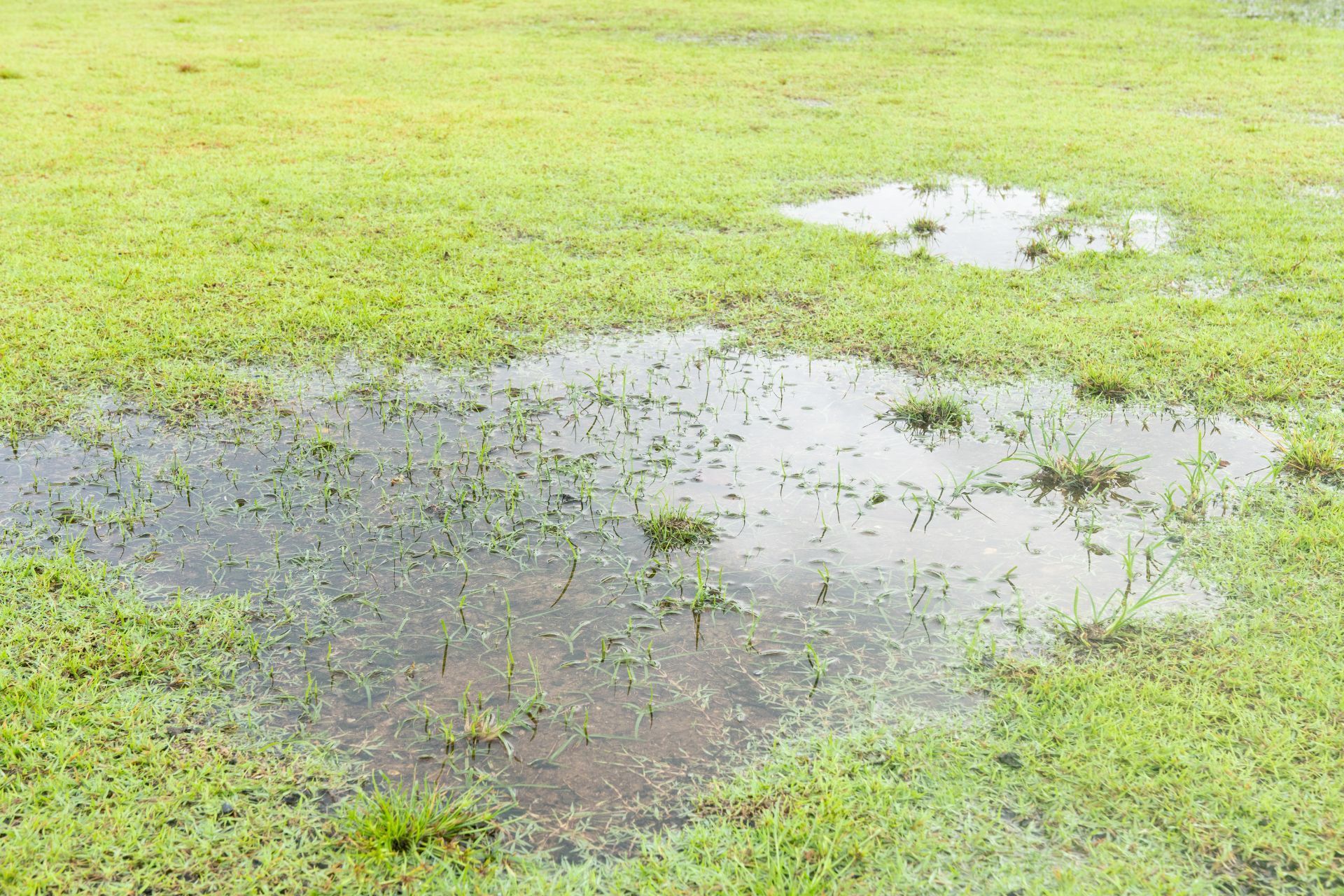
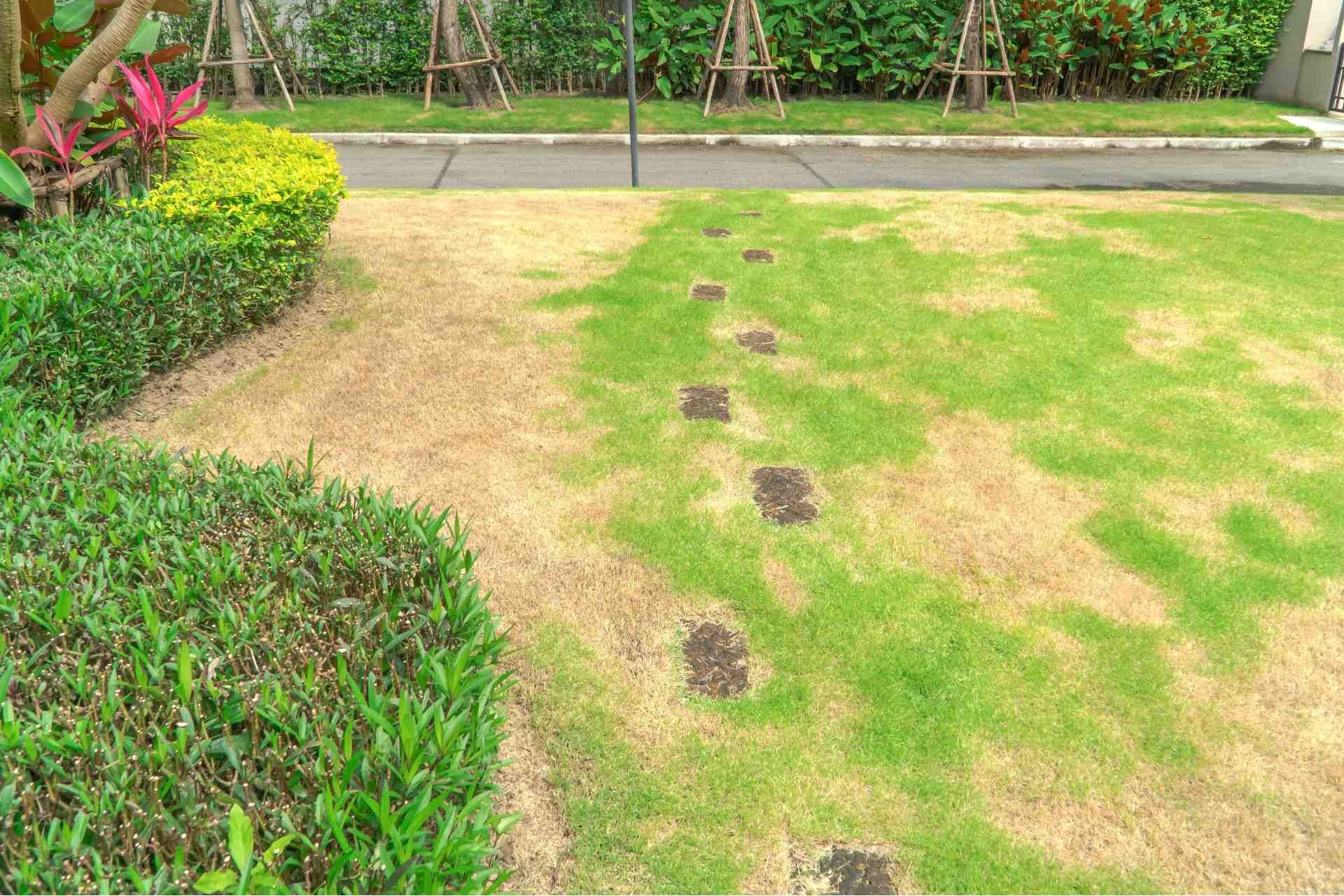
You might notice water pooling in your yard after heavy rain, which can lead to muddy areas and even attract pests. Poor soil drainage can cause moisture to linger, damaging your plants and grass.
Additionally, clogged gutters can overflow, directing water toward your foundation, risking serious structural damage. If you’ve got a sloped yard, you may see erosion, washing away soil and affecting your landscape.
Another common issue is downspouts that discharge water too close to your home, creating a constant wet area.
Why Proper Drainage Is Essential for Your Yard
Addressing drainage issues in your yard isn't just about aesthetics; it's vital for maintaining a healthy landscape. Proper drainage prevents water from pooling, which can lead to saturated soil and promote root rot in plants.
When excess water accumulates, it can create a breeding ground for pests like mosquitoes, posing a health risk. Additionally, inadequate drainage can erode your soil, washing away essential nutrients and damaging your plants.
You'll also notice that poor drainage can lead to uneven surfaces, making your yard less enjoyable and usable. By ensuring effective drainage, you’re not only protecting your plants but also enhancing your outdoor space’s overall functionality and appearance.
Ultimately, proper drainage is key to a thriving yard and a beautiful home environment.
Simple Solutions for Improving Yard Drainage
To improve yard drainage effectively, you can implement several simple solutions that make a significant difference.
First, consider regrading your yard. By adjusting the slope, you can direct water away from your home.
Next, you might want to create garden beds or rain gardens, which can absorb excess water and reduce runoff. Adding mulch to these areas can help retain moisture while preventing erosion.
Installing a rain barrel is another great option; it captures rainwater, allowing you to use it later for watering plants.
Lastly, keep gutters and downspouts clear of debris to ensure proper water flow.
How to Install French Drains for Better Water Management
If you're struggling with water pooling in your yard, installing a French drain can be an effective solution for better water management.
Start by identifying the area where water collects. Then, dig a trench about 6 inches wide and 18 inches deep, sloping it away from your home.
Line the trench with landscape fabric to prevent sediment buildup. Next, add a layer of gravel at the bottom, followed by a perforated pipe, ensuring the holes face down.
Cover the pipe with more gravel, then fold the landscape fabric over the top. Finally, fill the trench with soil and sod.
This allows water to flow into the pipe, directing it away from your yard and reducing pooling effectively.
Create a Rain Garden to Absorb Excess Water
Creating a rain garden not only beautifies your yard but also effectively absorbs excess water, helping to prevent flooding.
To get started, choose a low-lying area where water naturally collects. Dig a shallow basin and amend the soil with compost to improve drainage and nutrient content.
Select native plants that thrive in wet conditions but can also tolerate dry spells. These plants won't only absorb water but also attract beneficial wildlife, enhancing your garden's ecosystem.
Make sure to create a slight slope toward the rain garden to direct runoff water into it.
How Can Swales Redirect Water Flow?
Swales are an effective solution for redirecting water flow in your yard, helping to manage runoff and prevent erosion. These shallow, vegetated channels capture excess water and guide it away from problem areas.
By strategically placing swales along contours, you can slow down water movement, allowing it to soak into the ground rather than pooling.
To create a swale, dig a shallow trench and shape it to direct water toward desired areas, like rain gardens or trees. Fill it with native plants that thrive in wet conditions; they’ll help absorb water and stabilize the soil.
With a well-designed swale, you can improve drainage and enhance your landscape while protecting your yard from erosion and flooding.
Boost Your Soil Health With Organic Matter
Improving your yard drainage isn’t just about redirecting water; it also involves enhancing the soil's ability to absorb and retain moisture.
One effective way to achieve this is by adding organic matter, such as compost, leaf mold, or well-rotted manure. These materials enrich your soil, helping it become more porous and better at holding water.
As you mix organic matter into your soil, you’ll create a healthier environment for roots to thrive, promoting beneficial microorganisms. This not only boosts drainage but also improves overall soil structure.
Incorporating organic matter regularly will also aid in preventing soil compaction, allowing water to infiltrate more easily.
Regular Maintenance for Your Yard’s Drainage System
To keep your yard’s drainage system functioning at its best, regular maintenance is essential. Start by inspecting your gutters and downspouts monthly to ensure they’re clear of debris. Clogged gutters can lead to water pooling around your foundation.
Next, check your drainage ditches and swales for blockages, removing leaves and sediment as needed. You should also monitor your yard for signs of poor drainage, like standing water or soggy spots, and address these issues promptly.
Additionally, consider aerating your soil annually to improve its ability to absorb water. Lastly, keep an eye on your landscape grading, ensuring it directs water away from your home.
With consistent care, your drainage system will work efficiently, protecting your yard from water damage.
Conclusion
Improving drainage in your yard doesn’t have to mean major construction. By implementing simple techniques like regrading, creating rain gardens, and using rain barrels, you can effectively manage water flow and protect your landscape. Don’t forget about regular maintenance, too—clearing gutters and adding mulch can make a big difference. With these easy steps, you’ll ensure your yard stays healthy and vibrant, even during heavy rain. Take action now, and enjoy a well-drained yard!