Give Your Landscape Something to Be Thankful For: November Lawn Care Tips for McKinney Homeowners

As November rolls in, it’s time to focus on your lawn care routine. This month is key for setting the stage for a vibrant spring. If you’re unsure where to start, don’t worry—there are simple yet effective strategies to enhance your landscape. From aerating and overseeding to selecting the right fertilizer, each task plays a crucial role. Let’s explore these essential tips to give your landscape something truly special this season.
Why November Is Vital For Lawn Care In McKinney
As November rolls in, it's crucial for you to focus on your lawn care in McKinney, since this month sets the stage for a healthy yard come spring.
Cooler temperatures mean your grass slows down growth, allowing you to concentrate on essential tasks without overwhelming yourself.
This is the perfect time to mulch fallen leaves, which enriches the soil and provides nutrients for your lawn. You should also consider overseeding, helping your grass thicken and fill in any bare patches.
Additionally, applying a winter fertilizer can strengthen your lawn’s roots, preparing it for the cold months ahead.
How To Aerate Your Lawn For Best Results
One of the most effective ways to enhance your lawn's health is through aeration, and November is the perfect time to do it.
Start by checking the soil moisture; aim for slightly damp conditions to make the process easier. Use a core aerator, which pulls out small plugs of soil, allowing air, water, and nutrients to penetrate deeper.
Focus on high-traffic areas and spots that seem compacted. Make parallel passes across your lawn, overlapping slightly for even coverage.
After aerating, you might want to leave the plugs on the surface, as they’ll break down and return nutrients to the soil.
Give your lawn a little love, and you’ll set the stage for a lush, green spring!
Overseeding Techniques For A Lush Spring Lawn
Overseeding your lawn in November can significantly boost its health and appearance come spring. To start, choose a high-quality grass seed that matches your existing lawn type.
Before you begin, make sure to aerate your lawn to enhance seed-to-soil contact. After aeration, evenly distribute the seed using a broadcast spreader, aiming for a rate of about 5-10 pounds per 1,000 square feet.
Lightly rake the area to help the seeds settle into the soil. Water the lawn thoroughly, keeping the soil consistently moist until the seeds germinate. As spring approaches, gradually reduce watering frequency.
With these overseeding techniques, you’ll enjoy a lush, vibrant lawn that’s ready to thrive when warmer weather arrives.
How To Select The Best Fertilizer For Your Lawn This Fall
After you've overseeded your lawn to prepare for spring, selecting the right fertilizer is vital for nurturing new growth and maintaining overall health through the fall.
Look for a fertilizer with a balanced N-P-K ratio, ideally around 10-10-10, which provides equal parts nitrogen, phosphorus, and potassium. Nitrogen promotes leafy growth, phosphorus supports root development, and potassium enhances drought resistance.
Opt for slow-release granules to ensure nutrients feed your lawn gradually. Additionally, consider a fertilizer specifically formulated for fall application, as these often contain higher potassium levels to help your grass endure winter stress.
Finally, always follow the manufacturer’s instructions for application rates and timing to avoid over-fertilizing, which can harm your lawn and the environment.
Essential Tools For Effective Lawn Care Maintenance
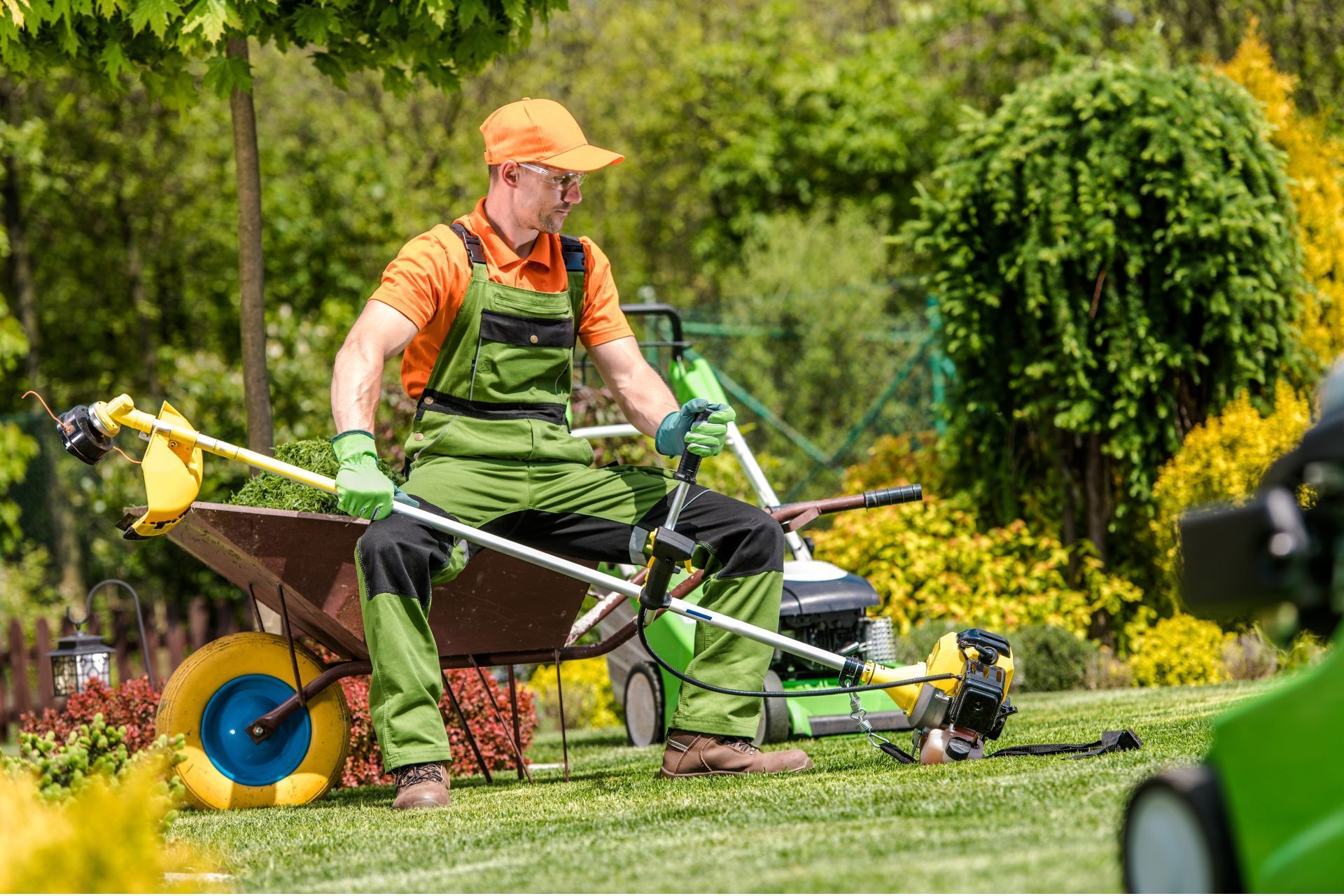
To maintain a healthy lawn throughout the fall, having the right tools at your disposal is essential.
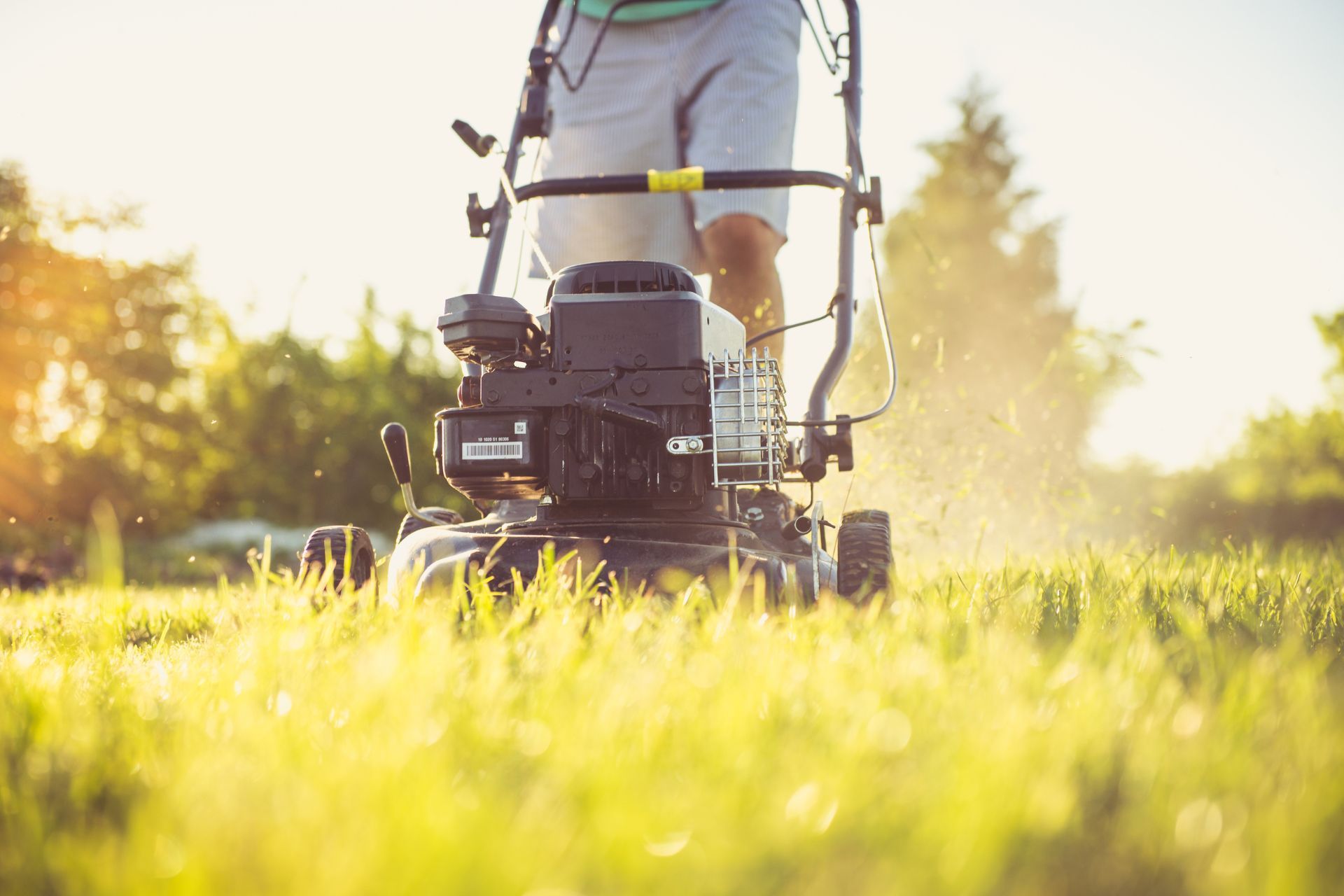
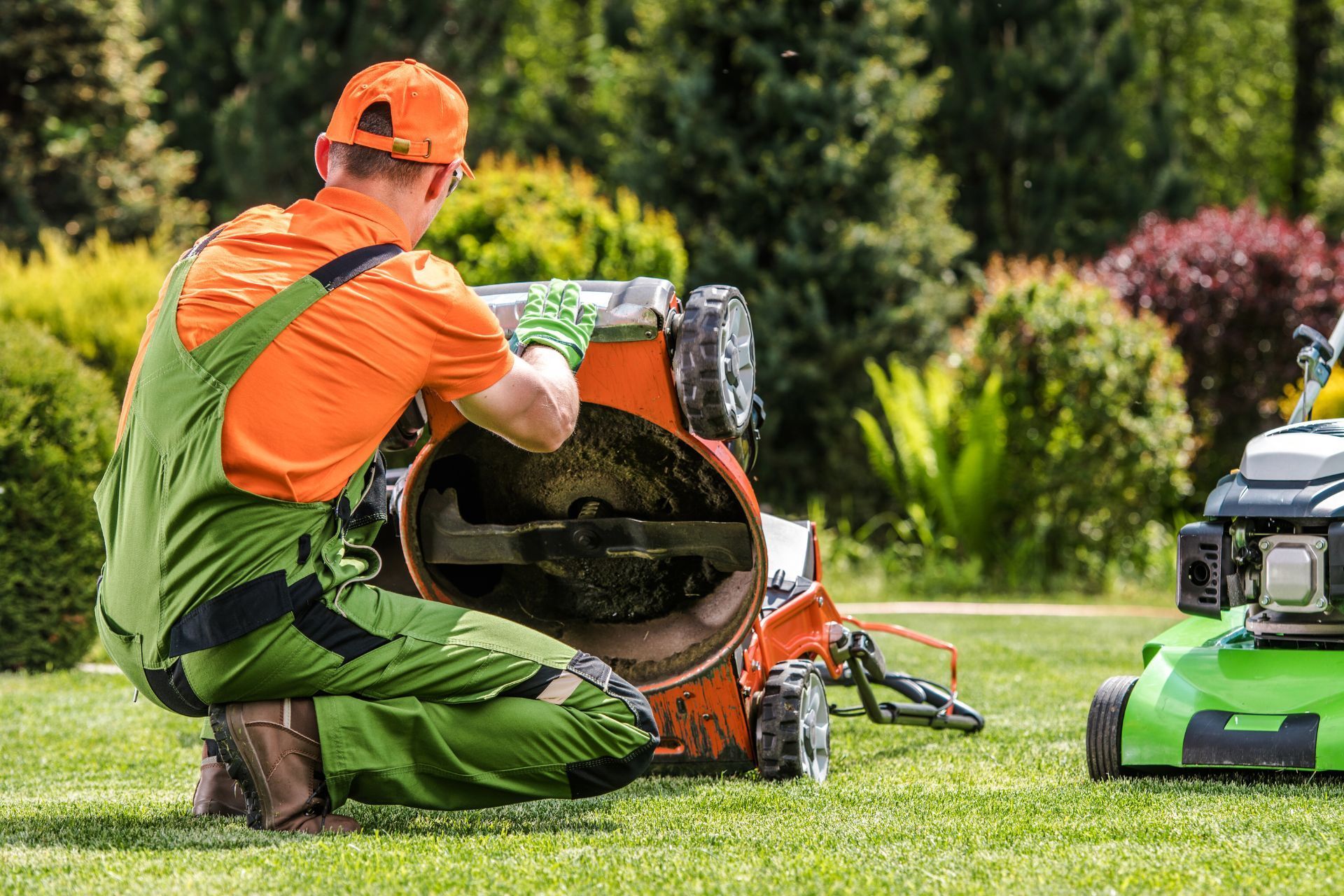
Start with a quality mower; a sharp blade ensures clean cuts, promoting growth. Don’t forget a rake for collecting fallen leaves, which can suffocate your grass if left unattended.
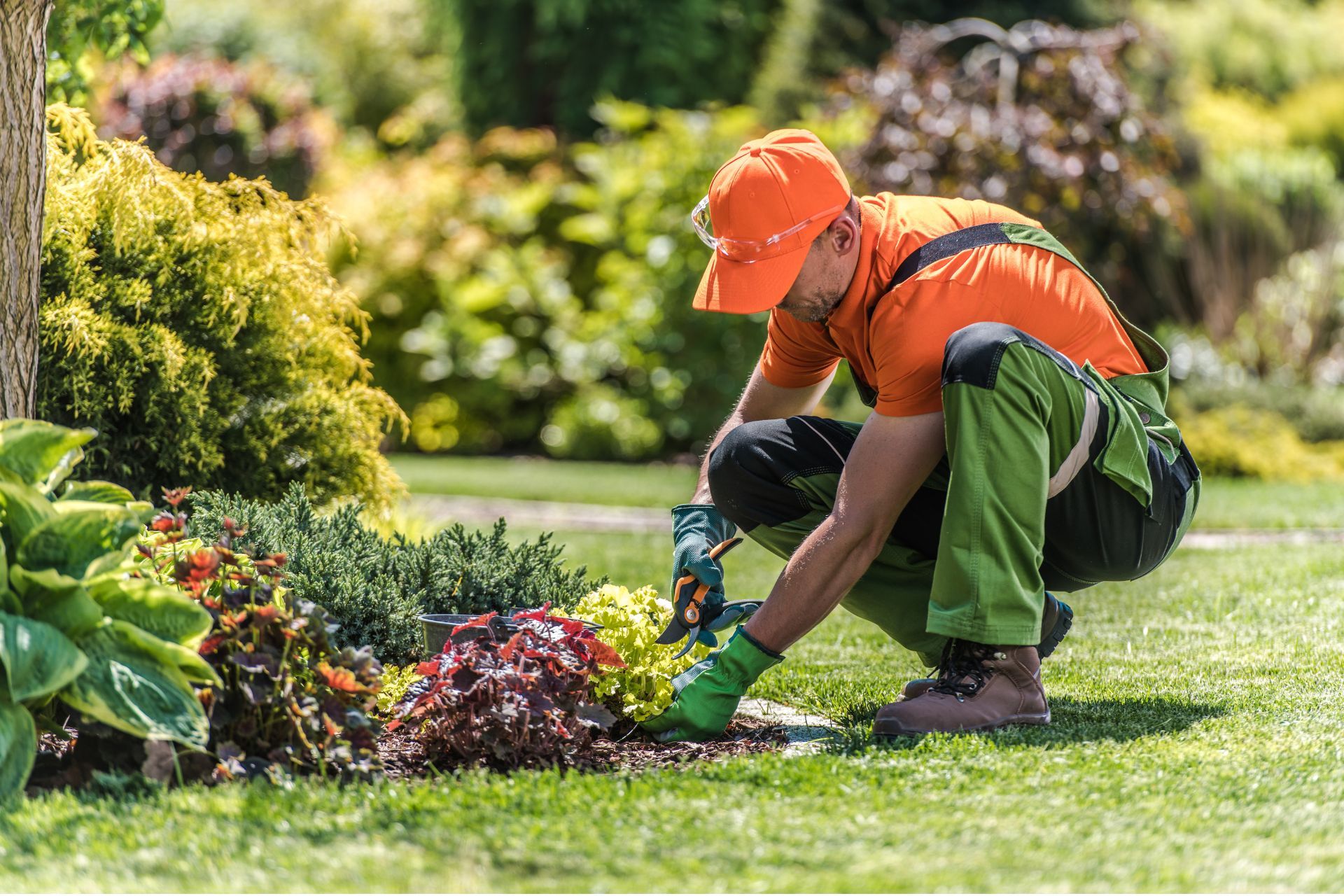
A good pair of pruning shears is also important for trimming overgrown shrubs and maintaining your lawn’s overall appearance. You’ll need a spreader for evenly distributing fertilizer and grass seed, ensuring your lawn gets the nutrients it needs.
Additionally, a soil aerator helps improve air and water circulation, which is crucial for root health.
With these tools, you’ll be well-equipped to tackle your lawn care tasks this fall.
Efficient Strategies For Raking Leaves And Debris
With your tools ready for action, it's time to tackle the task of raking leaves and debris efficiently.
Start by choosing a day when the leaves are dry; wet leaves can clump together and make raking a hassle. Use a wide rake to cover more ground quickly, and consider raking in sections to stay organized.
To minimize back strain, keep your feet planted and use your arms to pull the rake toward you. Don’t forget to wear gloves to protect your hands.
As you gather the leaves, create piles for easy disposal, or use a tarp to drag them away. If you’ve got a lot of debris, a leaf blower can save you time and energy, making your job easier.
Get Your Garden Beds Ready For Winter
As temperatures drop and the first frost approaches, it's essential to prepare your garden beds for winter. Start by removing any dead plants and weeds, as they can harbor pests and diseases.
Next, add a layer of compost or well-rotted manure to enrich the soil. This will help improve its structure and fertility for spring planting. You might also consider mulching your garden beds with straw, leaves, or wood chips; this provides insulation and retains moisture during the colder months.
If you’ve got perennials, cut them back to encourage healthy growth in the spring.
Finally, don’t forget to tidy up your garden tools and store them properly to keep them in good condition for next year.
Lawn Care: Protecting Your Plants From Frost Damage
Before the frost sets in, it’s crucial to take steps to protect your plants and lawn from potential damage.
Start by covering tender plants with frost cloths or blankets to insulate them from freezing temperatures. If you have potted plants, consider moving them indoors or into a sheltered area to shield them from the cold.
For your lawn, avoid mowing too short; a slightly longer blade can help protect the grass roots. Watering your lawn before a frost can also help, as moist soil retains heat better than dry soil.
Lastly, keep an eye on weather forecasts and be ready to act quickly if a frost warning is issued. Taking these precautions now can save your landscape later.
Essential Ongoing Lawn Care Tasks
To keep your lawn healthy during November, you'll want to stay on top of essential ongoing care tasks.
First, keep mowing your grass to a height of about two to three inches, which encourages strong root growth and helps prevent weeds.
Don't forget to rake leaves regularly; a thick layer can suffocate your grass.
You should also continue to water your lawn as needed, especially if rainfall is scarce.
Fertilizing your lawn with a slow-release nitrogen option will provide essential nutrients as it prepares for winter.
Lastly, aerate your lawn if you haven't already, allowing air, water, and nutrients to penetrate deeper into the soil.
Staying proactive now will set your lawn up for success in the coming months.
Planning Your Landscape For A Beautiful Spring
Now that you’ve taken care of your lawn with ongoing maintenance, it’s the perfect time to start planning your landscape for a beautiful spring.
Begin by envisioning your garden's layout. Consider the colors and textures you want to incorporate, from vibrant flowers to lush greenery. Choose plants that thrive in your area and complement each other. Don’t forget to think about seasonal bloom times for continuous beauty.
Adding hardscaping elements like pathways or decorative stones can enhance your design. Also, consider the placement of outdoor furniture for cozy gatherings.
Sketch your ideas to visualize the space better. With thoughtful planning now, you’ll ensure your landscape bursts with life and color come spring.
Get started, and watch your vision come to life!
Conclusion
As November wraps up, take the time to implement these lawn care tips for a thriving landscape in McKinney. By aerating, overseeding, and applying winter fertilizer, you’ll set your lawn up for success come spring. Don’t forget to prep your garden beds and protect your plants from frost damage. With a little effort now, you can create a vibrant outdoor space that you’ll be thankful for when warmer days arrive. Happy gardening!