Step-by-Step Guide to Effective Lawn Service Care
You want a lawn that looks good and works for your life, not a weekend sinkhole. Start by setting clear goals and a budget, then test your soil and match grass to your climate. Build a seasonal plan for mowing, watering, and feeding, and add smart controls for weeds, pests, and disease. Use the right tools safely—and know when a pro’s worth it. The step that decides your results comes first.
Build Your Lawn Care Plan: Budget, Goals, Yard Size
Before you pick up a mower, define what you want from your lawn and what you can spend to get there. Clarify goals: a kid‑friendly play surface, a tidy, low‑effort yard, or showcase curb appeal.
Set a timeline—weekly tasks, monthly projects, and seasonal upgrades. Build a budget with buckets for tools, routine supplies, water, and occasional pro help.
Next, measure your yard. Walk it with a tape or use a mapping app to get square footage and note distinct zones, edges, beds, and hardscape. Mark high‑traffic paths, slopes, and drainage patterns so you can prioritize wear and water management.
Match maintenance frequency to your time and budget. With clear goals, numbers, and boundaries, you’ll plan smarter and avoid costly guesswork from the very start.
Test Soil and Choose the Right Lawn Grass
With your goals, budget, and yard map set, the next smart move is a soil test and picking grass that fits your site.
Collect 10–12 cores 3–4 inches deep, mix them, and send a composite sample to a local lab or use a reliable kit. You’ll learn pH, phosphorus, potassium, and organic matter. Aim for pH 6.0–7.0; add lime to raise, elemental sulfur to lower, per lab guidance.
Match grass to climate, sun, and use. In cool regions, consider Kentucky bluegrass, perennial ryegrass, or fine fescue; in warm regions, bermudagrass, zoysia, St. Augustine, or centipede.
For shade, look at fine fescue or shade-tolerant tall fescue. For heavy traffic, ryegrass or hybrid bermuda excel. Choose seed, sod, or plugs based on budget and installation speed.
Schedule Lawn Care by Season: Mow, Water, Feed
Each season sets a different rhythm for mowing, watering, and feeding, and you’ll get the best results when you match tasks to your grass type.
In early spring, resume mowing when growth starts; keep blades sharp and set height high. Water only to supplement rain. Give cool-season grass a light feed; wait to feed warm-season until soil’s consistently warm.
By summer, mow higher to shade crowns. Water deeply, 1–1.5 inches weekly, in morning. Feed warm-season now; withhold nitrogen on cool-season during heat.
In fall, lower height slightly for the last few mows. Feed cool-season strongly; stop feeding warm-season 4–6 weeks before dormancy. Water as needed while temperatures stay mild.
In winter, mow only if growth continues, and minimize traffic on frozen turf areas.
Control Lawn Weeds, Pests, and Diseases
While quick fixes can tempt you, you’ll control weeds, pests, and diseases best by pairing prevention with precise treatments.
Build dense turf: mow at the tallest recommended height, feed appropriately, water deeply and infrequently, and overseed thin spots. Use a spring pre-emergent to block annual weeds like crabgrass, then spot-treat visible broadleaf weeds with targeted, labeled products.
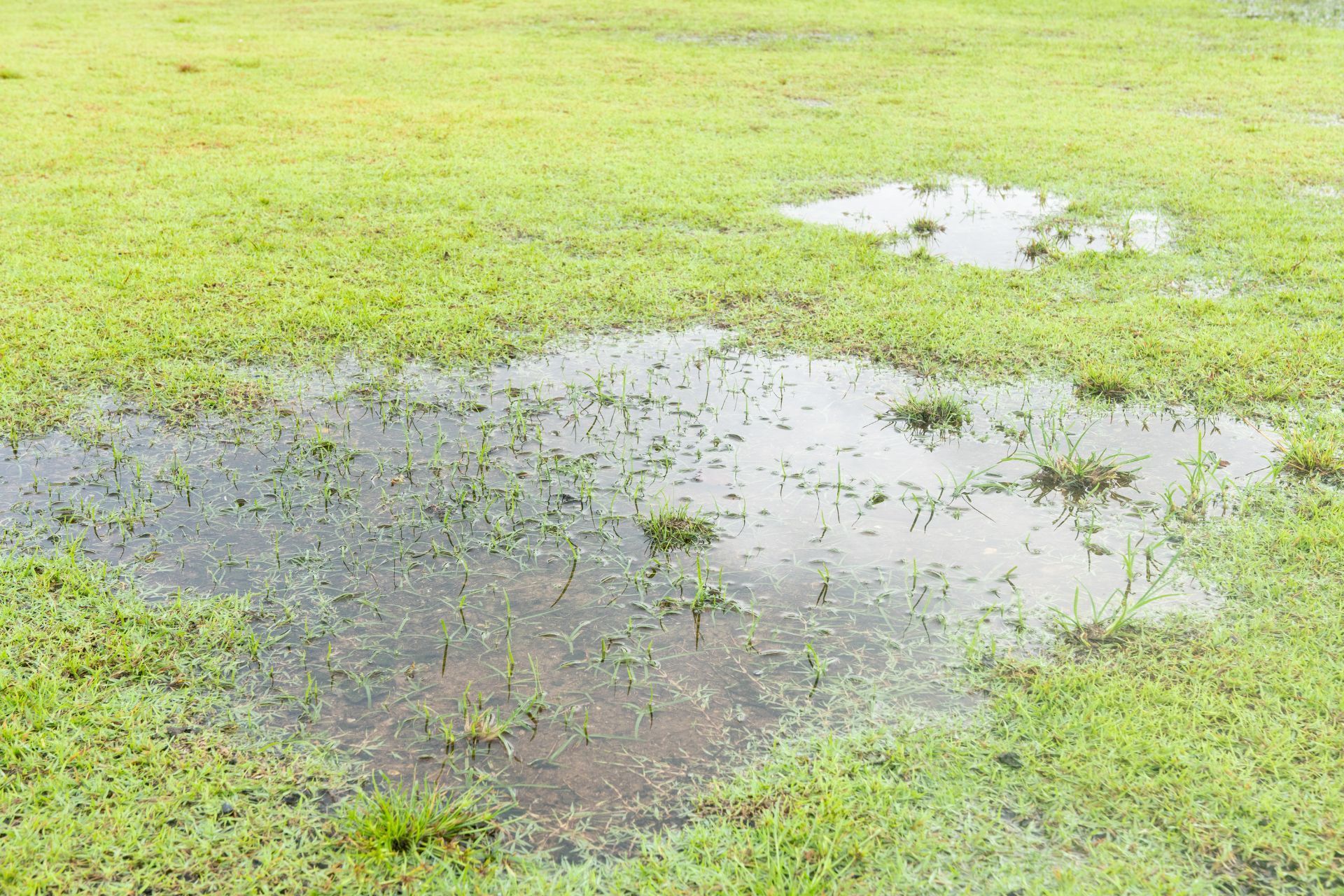
Identify pests before acting; confirm grubs and treat only when thresholds are exceeded. Reduce disease pressure by improving drainage, watering at dawn, and avoiding evening irrigation. Rotate nitrogen sources and prevent thatch buildup to limit pathogens and insects.
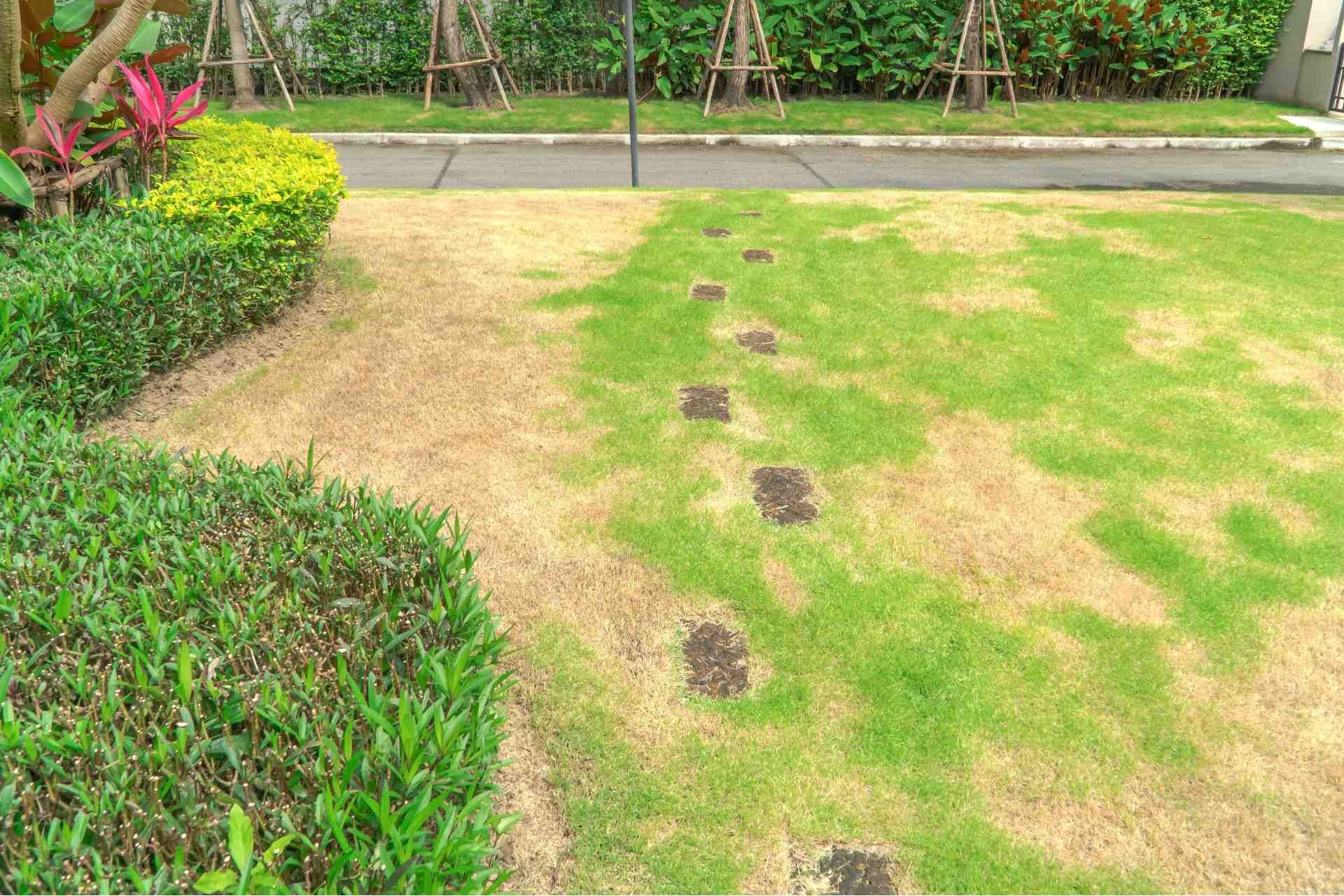
Monitor weekly for off-color patches, chewed blades, frass, or wilting. When you must treat, follow labels, time applications to growth stages, and re-check results so you can adjust quickly.
Lawn Care Tools, Safety, and When to Hire a Pro
A smart lawn routine starts with the right tools, safe habits, and knowing when to bring in help.
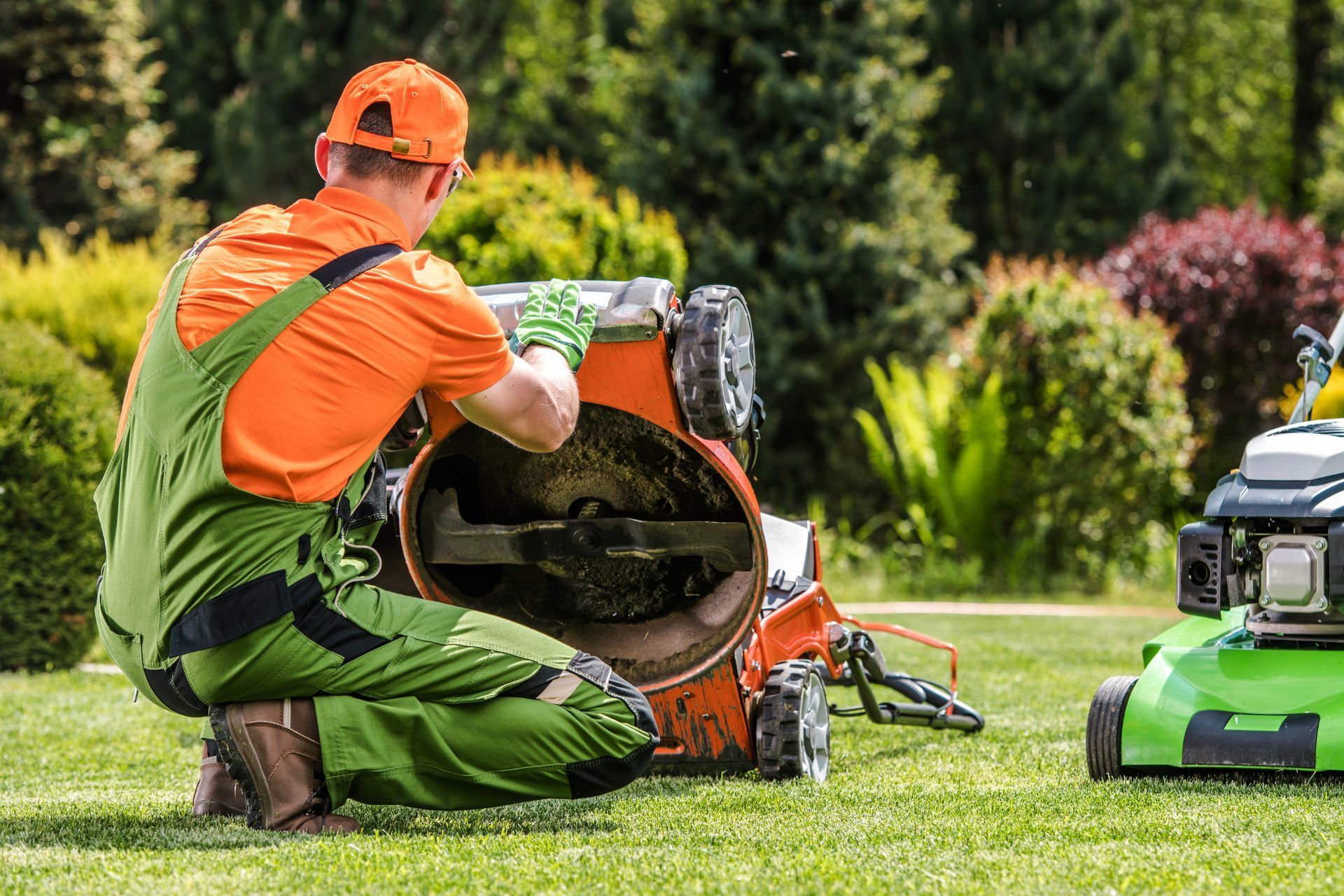
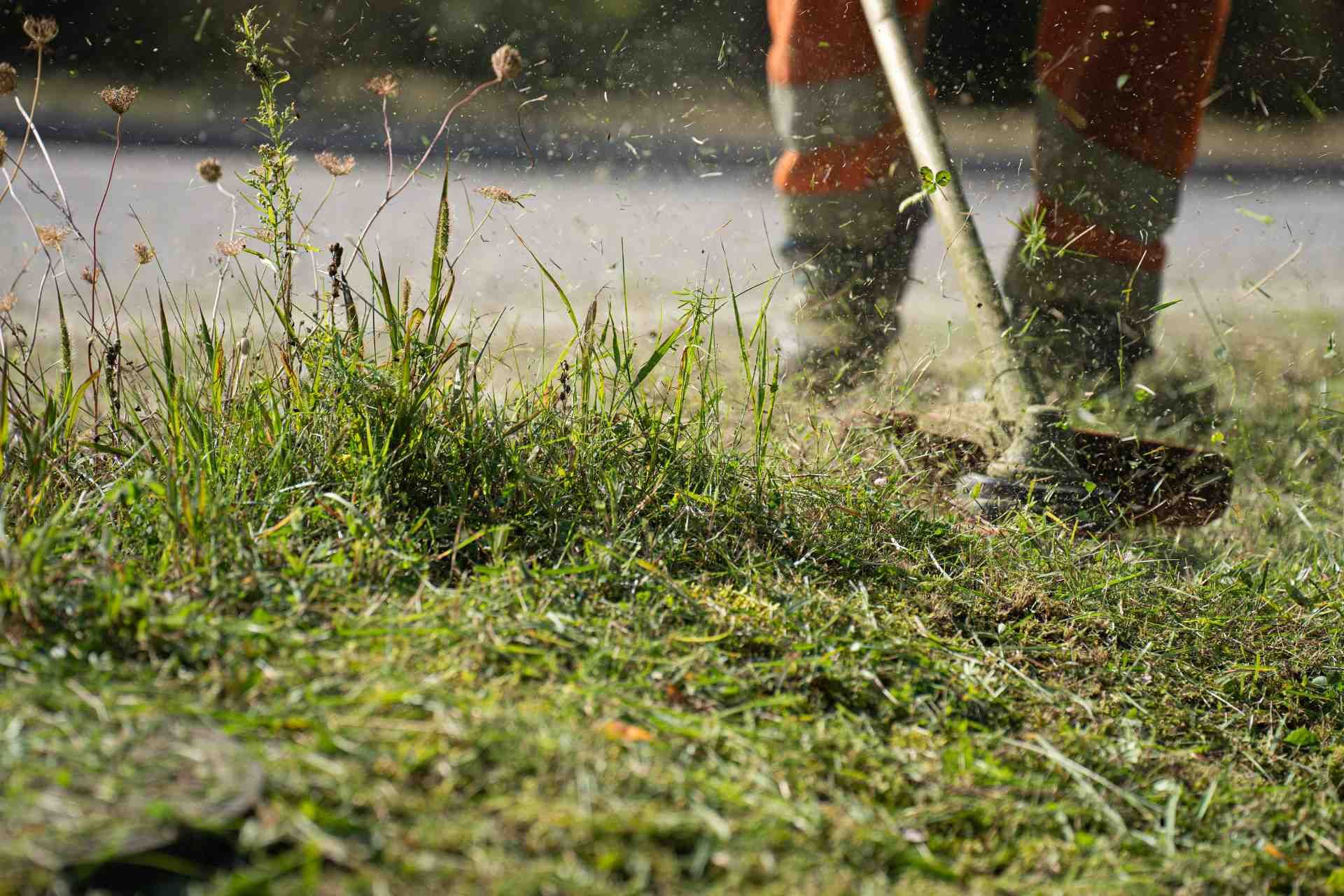
Essential tools: sharp mower, string trimmer, edger, leaf rake, broadcast spreader, hand sprayer, soil knife, and a wheelbarrow.
Wear gloves, eye and ear protection, sturdy boots, and sunscreen.
Read manuals, fuel outdoors, check cords and GFCI, keep kids and pets clear, avoid wet grass and steep sidehills, and lift with your legs.
Maintain gear: sharpen blades, clean decks, calibrate spreaders, and sanitize tools to prevent disease spread.
Hire a pro for tree work, irrigation or drainage fixes, severe compaction, thatch removal, stubborn weeds or diseases, pesticide-only applications, or time and equipment limits.
Screen candidates for licenses, insurance, certifications, references, clear pricing, and a written seasonal plan.
Conclusion
You’ve got a clear roadmap to a healthier, better-looking lawn: set goals and budget, test your soil, pick the right grass, and follow a seasonal plan to mow, water, and feed. Stay proactive against weeds, pests, and diseases, and use the right tools safely. Track results and adjust as your yard responds. When tasks get specialized or time’s tight, hire a pro. Start small, stay consistent, and you’ll grow curb appeal—and a yard you enjoy.