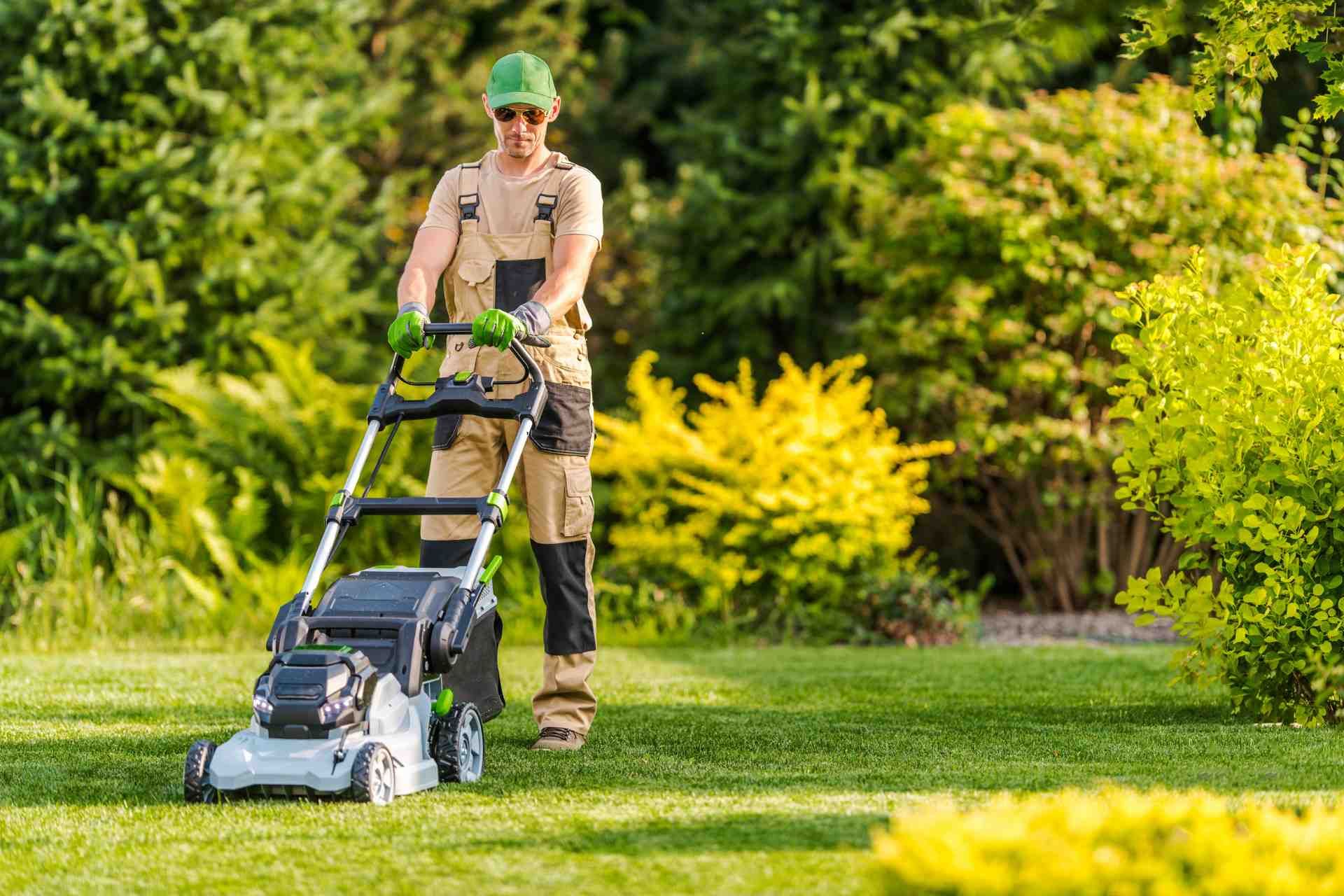
Choosing the Right Lawn Service Care for Your Yard

You want a lawn that looks sharp and stays healthy, but picking the right service takes more than a quick quote. Start by sizing up your yard, noting shade, drainage, and problem spots. Decide if you need mowing, aeration, weed control, or irrigation checks. Then verify licensing, insurance, and equipment quality. Compare eco practices, local reviews, and on‑site pricing. But before you sign anything, there’s one step most homeowners skip—
Define Your Lawn Service Needs
Before you compare providers, define exactly what your yard needs.
List your priorities: healthy turf, tidy edges, weed suppression, or curb appeal. Measure square footage and note slopes, shaded areas, and obstacles. Identify grass species, soil type, drainage issues, and problem spots like bare patches, thatch, compacted zones, fungus, grubs, or invasive weeds.
Decide maintenance frequency you’ll tolerate: weekly mowing, biweekly, or seasonal tune‑ups. Set a realistic budget ceiling. Note constraints: pets, play areas, irrigation schedules, gates, parking, and noise limits.
Choose preferences: organic inputs, low‑emission equipment, mulch vs. bagging, fertilization timing, and water conservation. Flag extras you might need later—leaf cleanup, aeration, overseeding, dethatching, mulching, shrub pruning, or storm debris pickup.
Write it all down so every task, condition, and boundary is unambiguous.
Choose Lawn Services for Your Yard
Once you’ve mapped your yard’s needs, translate them into specific services. Decide whether you want weekly mowing, biweekly trimming, or seasonal cleanups.
If you struggle with weeds, request pre-emergent and spot treatments. For thin turf, add aeration, overseeding, and topdressing. Prioritize irrigation checks if dry spots persist.
Ask about fertilization schedules tailored to your grass type and soil test. If trees or hedges shade turf, include pruning to open light. Prefer a tidy look? Add edging, blowing, and debris removal each visit.
If you’re eco-minded, choose mulching mowers and slow-release products. Bundle recurring tasks to lock routine and reduce hassle.
Finally, compare scopes, frequency, and price, then select the package that matches your goals and expected results. Confirm scheduling and communication preferences up front.
Confirm Licensing, Insurance, and Guarantees
While price matters, verify that any lawn service carries proper licensing, active insurance, and clear guarantees.
Ask for license numbers and confirm them with your city or state. Require a certificate of insurance listing general liability and workers’ compensation; have the provider send it to you.
Make sure policy limits match the scale of your property. If a worker gets injured or a rock breaks a window, you shouldn’t pay.
Review the service guarantee in writing: what results are promised, how fast they’ll fix issues, and who decides if work is acceptable. Clarify exclusions, cancellation terms, and refund procedures.
Verify the company’s legal name matches all documents and invoices. Keep copies before the first visit.
If a contractor hesitates to provide proof, move on.
Assess Equipment Quality and Eco Practices
Since clean, well-kept tools cut better and prevent damage, ask how the crew maintains its mowers, trimmers, and blowers.
Request the sharpening schedule, blade balance checks, deck cleaning, and whether they sanitize tools to limit disease spread between yards.
Ask if they use commercial-grade, adjustable-height mowers suited to your turf and if they bag, mulch, or recycle clippings to protect soil.
Prioritize lower-emission options: battery or propane mowers, handheld electrics, and smart routing that reduces idling.
Confirm they use low-noise equipment during reasonable hours and compliant fuel storage.
For treatments, expect calibrated sprayers, spot-spraying, and integrated pest management that reduces chemicals.
Insist on eco-friendly fertilizers, responsible runoff prevention, and proper disposal of oil, filters, and blades.
You’ll get cleaner cuts and a healthier lawn.
Check Local Lawn Service Reviews and Results
After you confirm their equipment and eco practices, look for proof they deliver.
Scan Google, Yelp, and Nextdoor for recent, local reviews. Prioritize patterns: consistent praise for communication, reliability, and healthier turf. Note specifics like fewer weeds, crisp edges, and clean cut heights.
Weigh negatives too—missed visits, scalping, or poor cleanup. Browse before‑and‑after photos on their site or Instagram; verify they’re from nearby properties.
Ask for two references and addresses you can drive by to see real results. Check response times to questions and how they handle complaints.
Favor crews with recognizable trucks and uniforms working in your neighborhood. Confirm they follow seasonal best practices for your grass type.
If results look steady across yards like yours, you’ve likely found a fit right now.
Get On‑Site Lawn Service Pricing
How do you get a fair price for your yard? Insist on an on‑site estimate, not a phone quote.
Walk the property with the pro. Let them measure turf, note slopes, fences, gates, trees, beds, and irrigation heads. Ask them to assess turf type and current lawn health.
Specify tasks you want priced: mowing, edging, trimming, blowing, fertilization, weed control, aeration, dethatching, shrub pruning, and mulch refresh.
Request a written, itemized quote that shows labor, materials, equipment minimums, disposal fees, and taxes.
Ask about first‑cut surcharges, tall‑grass fees, and travel charges. Clarify whether they price by square footage, time on site, or per service.
Get at least three comparable bids. Beware extreme lowball offers that skip essentials or cut corners.
Demand proof of insurance.
Set Lawn Service Scheduling and Communication
Before work begins, lock down a clear schedule and a simple way to talk.
Decide service frequency, target day, and a time window. Ask who confirms visits, how weather delays work, and when rain make‑ups happen. Establish a single contact, plus a backup, with phone, text, and email. Set response times for questions.
Require day‑before reminders, on‑the‑way texts, and after‑service notes with photos. Clarify approvals for add‑ons, change orders, and budget caps. Share gate codes, parking rules, and pet instructions.
Note holidays, vacation holds, and how to skip or reschedule without fees. Use a shared calendar or portal for updates, invoices, and service history.
Agree on how to report problems, how fast they’ll fix them, and what credits apply. Put every term in writing.
Conclusion
Choosing a lawn service gets easier when you define your goals and yard challenges, then match providers to those needs. Measure square footage, note shade or drainage, and prioritize turf health, weed control, and curb appeal. Verify licensing, insurance, and guarantees, and look for efficient, eco‑friendly equipment. Read local reviews, request on‑site pricing, and set clear schedules and communication. Do this, and you’ll hire a reliable partner who keeps your lawn thriving season after season.