Why Hire a Professional Lawn Care Service?
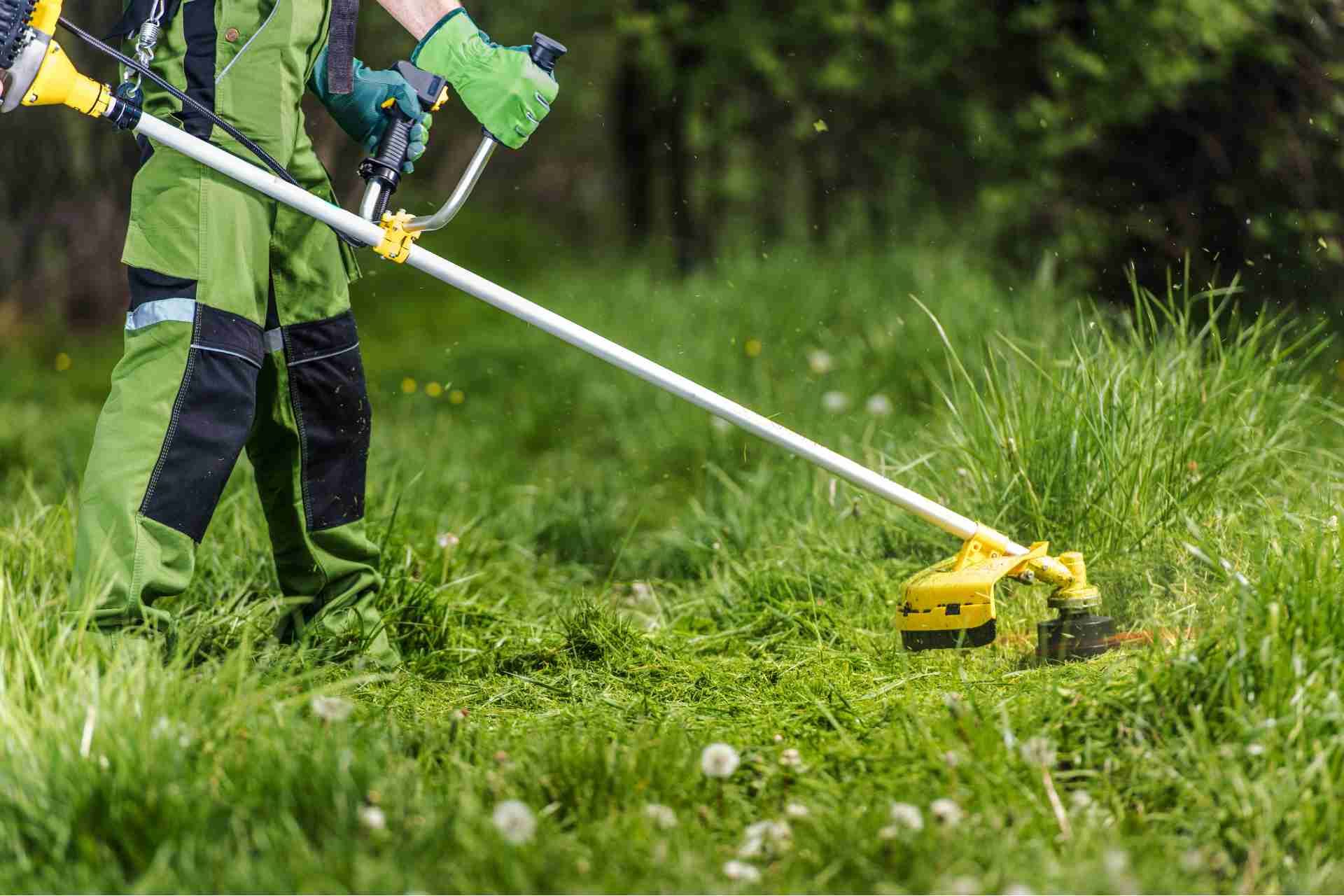
You want a lawn that looks great without guesswork, wasted weekends, or costly mistakes. A professional service brings trained eyes, proper tools, and seasonal treatments that match your turf’s needs. You get consistent results, healthier grass, and stronger curb appeal that can lift property value. But what does it cost, what’s included, and when is DIY worth it? Here’s how to weigh the trade-offs—and what to ask next.
Why Hire a Professional Lawn Care Service
Because your lawn is a living system, it needs more than occasional mowing. You hire a professional to diagnose soil conditions, select the right grass care schedule, and apply treatments at the proper time.
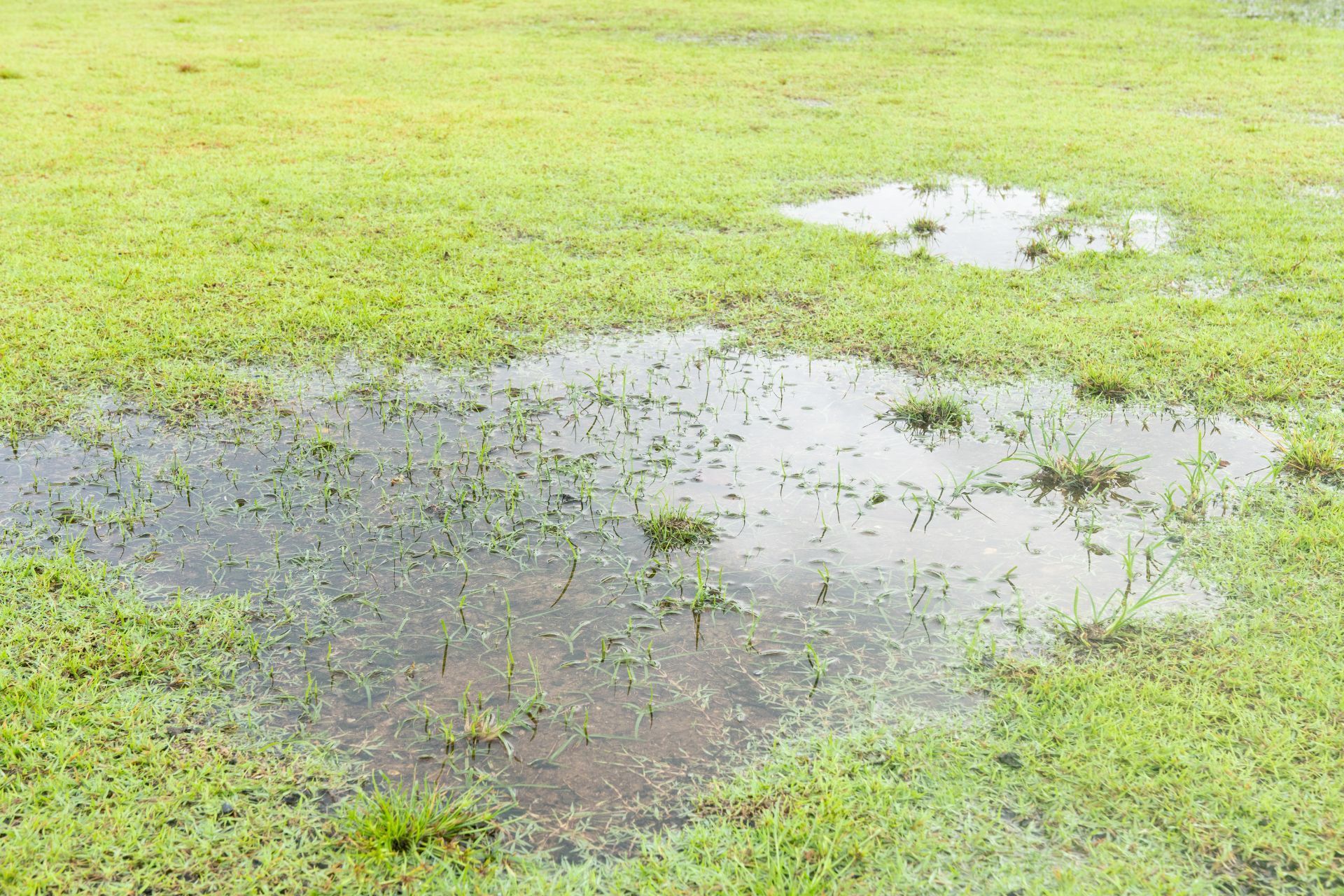
Pros read turf symptoms quickly—compaction, thatch, nutrient deficiency, fungus—and correct them before they spread. They’ll calibrate equipment, deliver precise fertilization, and balance pH for steady growth.
They integrate weed, disease, and pest control with environmentally mindful practices. You get consistent seasonal care: aeration, overseeding, irrigation tuning, and edging that supports deep roots and dense cover.
A pro tailors plans to shade, traffic, pets, and local climate, so you avoid guesswork. You save time, reduce mistakes, and protect curb appeal while building a resilient, healthy yard.
Expect measurable results year-round, consistently.
Professional Lawn Care Costs and ROI
Two numbers matter: what you’ll pay each season and what you’ll get back in value, time, and avoided mistakes.
Typical plans range from modest monthly retainers to premium packages, driven by lawn size, regional labor rates, and visit frequency. Compare those fees to what you’d otherwise spend on equipment, fuel, storage, and replacements. Factor your hours, too—mowing and troubleshooting chews up weekends.
ROI shows up in higher curb appeal, stronger buyer interest, and fewer costly do-overs. Many sellers recoup multiples of annual care in resale gains or faster offers.
You also limit risks—misapplied products, scalping, and irrigation missteps get expensive. Ask for itemized quotes, annualized totals, and performance benchmarks. Track results with before-and-after photos, grass density, weed pressure, and time saved. Document savings annually.
What a Professional Lawn Care Service Includes
Three layers define a standard service: routine maintenance, turf health treatments, and seasonal extras.
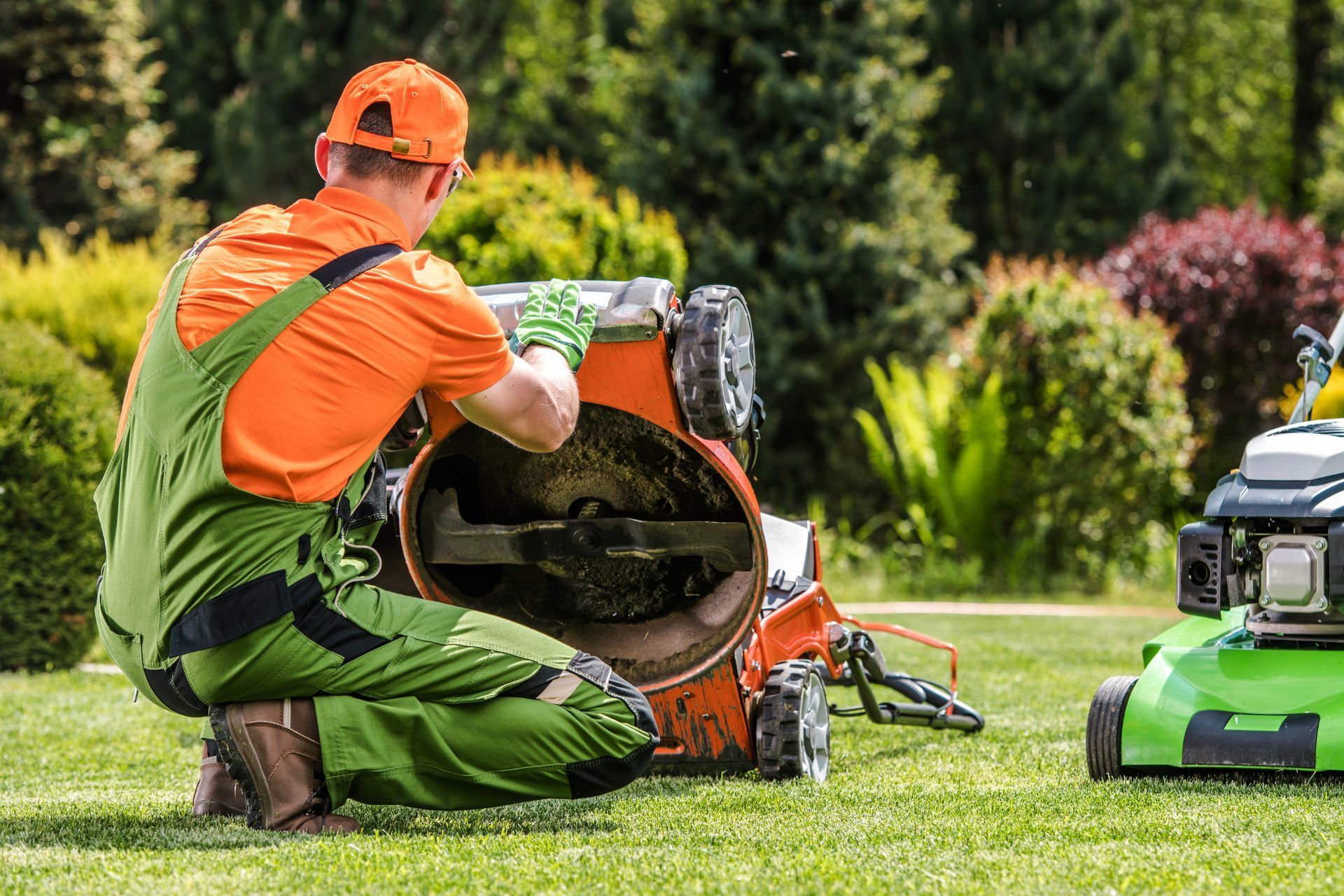
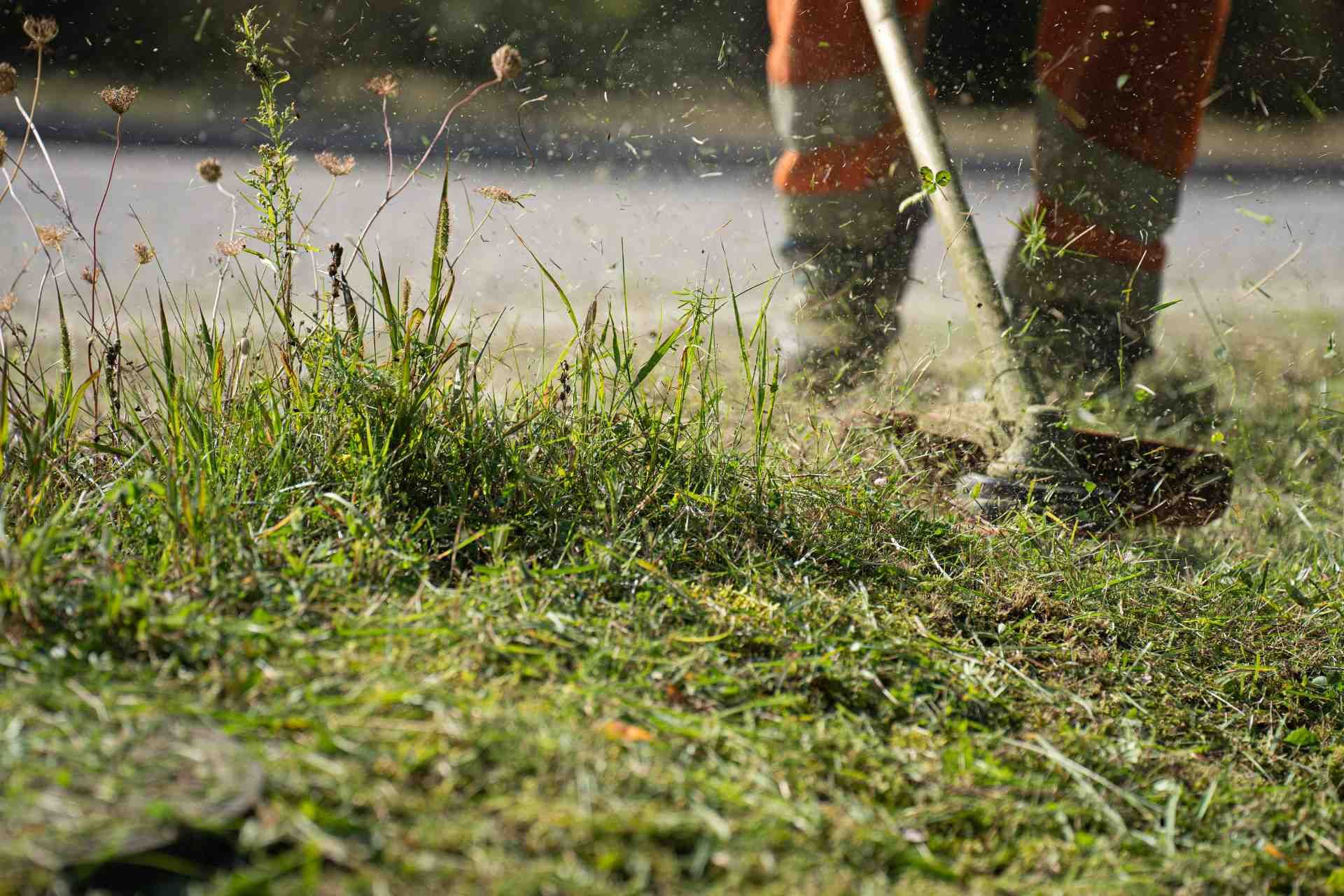
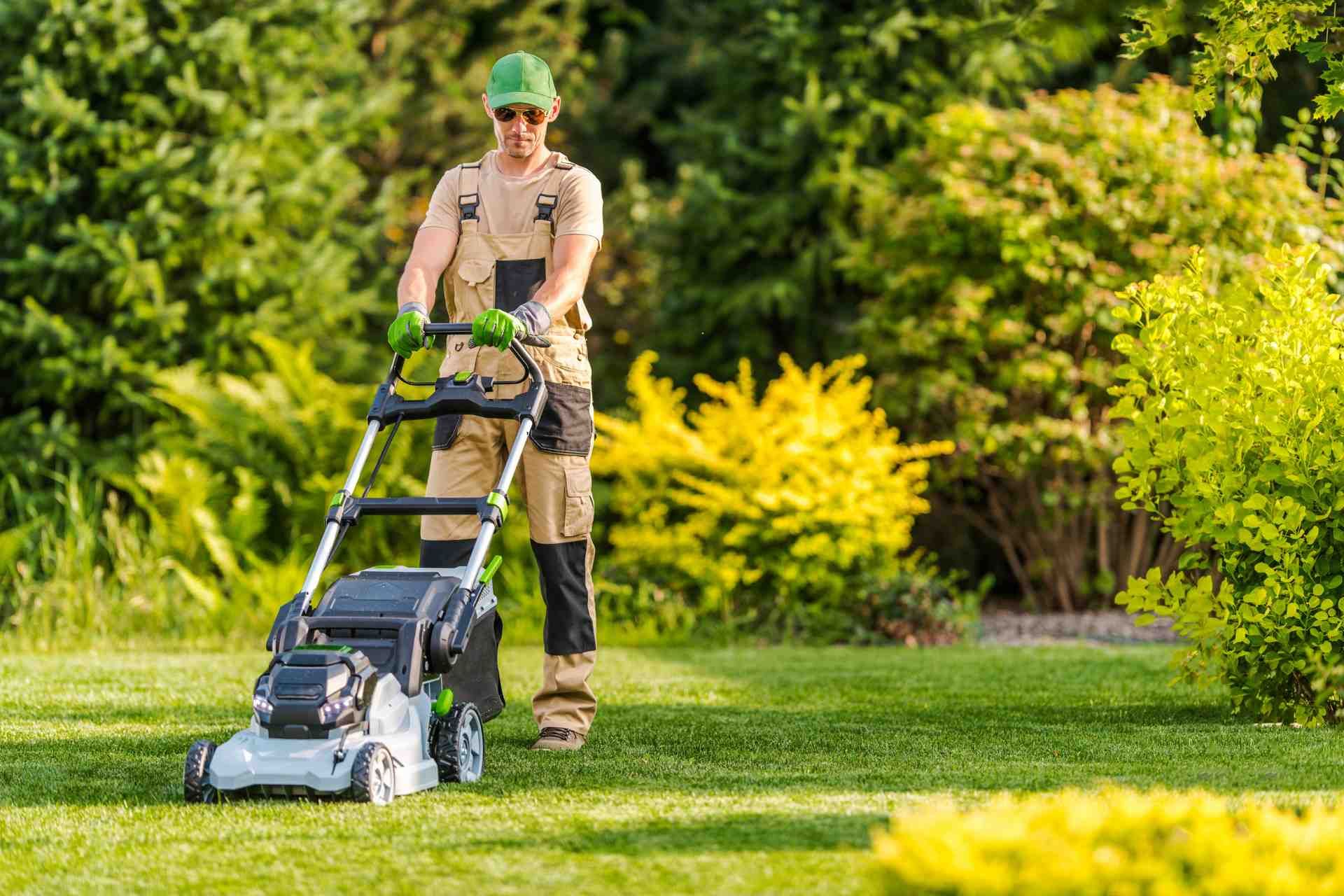
Technicians mow at the right height, edge borders, trim obstacles, and blow clippings from hardscapes. They inspect the lawn each visit, flag issues, and clean up debris.
For turf health, you get soil testing, tailored fertilization, pH balancing, and preemergent and postemergent weed control. Crews monitor insects and disease, apply targeted controls, aerate compacted soil, and overseed thin areas when timing’s right.
Seasonal extras close the loop. Expect spring and fall cleanups, leaf removal, dethatching as needed, mulch refresh around beds, and irrigation checks and adjustments.
Many services set mowing schedules, notify you before applications, document results, and offer recommendations so your yard stays consistent and resilient through each season.
DIY vs Pro Lawn Care: Who Wins?
While the right choice depends on your time, budget, and lawn goals, the trade-offs are clear.
DIY gives you control, lower cash costs, and weekend exercise, but it demands research, equipment, storage, and steady attention. Miss a treatment window, and weeds, pests, or disease can set you back a season.
Pros bring diagnostics, calibrated gear, and predictable results. They optimize fertilization, mowing height, irrigation timing, and seasonal treatments, reducing waste and risk. You’ll often see faster recovery after stress and fewer surprises.
Still, professional plans cost more and limit spontaneity; you’ll follow a service schedule. If you enjoy tinkering and have reliable time, DIY can work. If you want consistent curb appeal with fewer hassles, pros usually win.
Your lawn’s complexity matters, too, greatly.
How to Choose the Right Lawn Care Company
How do you sort real pros from slick flyers when hiring a lawn care company? Start with credentials: ask for state pesticide applicator licenses, business registration, and proof of liability and workers’ comp insurance.
Demand a site visit and a written plan that lists services, products, application timing, and exclusions. Verify they perform soil testing before recommending nutrients.
Check recent local references and third-party reviews; look for consistent service, not flashy photos. Evaluate communication: a single point of contact, clear scheduling, and prompt responses.
Inspect equipment cleanliness and calibration to avoid cross‑contamination and misapplication. Compare itemized quotes, not lump sums, and read contract terms on cancellations and service windows.
Favor companies that train techs and document each visit. Ask about safety protocols and contingencies.
First-Season Results and Eco-Friendly Options
After you’ve vetted a company, set clear expectations for the first season: you’ll see deeper color and thicker growth in 4–8 weeks if soil corrections and mowing/irrigation are on point, but broadleaf and grassy weeds often need multiple visits and thin areas may require overseeding during the right window.
Ask for a soil test, balanced nutrition, and calibrated mowing heights to lock in gains. Expect spot-spraying instead of blanket applications, plus pre-emergent timing for crabgrass control.
For eco-friendly options, choose slow-release or organic fertilizers, compost topdressing, and bio-based weed controls where feasible. Integrated pest management targets thresholds, monitors disease, and treats only when needed.
Battery-powered equipment reduces noise and emissions without sacrificing cut quality. Ask about drought-smart watering, mulching clippings, and microclover for resilience.
Conclusion
You want a lawn that looks great, grows strong, and saves you time. Hire a pro, and you’ll get expert diagnostics, seasonal treatments, and consistent results that beat DIY and pay off in curb appeal and value. Understand costs, compare packages, and check reviews, guarantees, and eco-friendly options. Choose the service that fits your goals, then let them work. By season’s end, you’ll see healthier turf, fewer headaches, and a yard you’re proud to enjoy.