How to Maintain Your Lawn with Essential Service Care Tips

Maintaining a healthy lawn isn't just about aesthetics; it's crucial for the overall environment. You need to know the right techniques for mowing, watering, and fertilizing to keep your grass vibrant and resilient. Identifying pests and understanding seasonal care practices can make a significant difference. Curious about how to implement these essential tips for optimal lawn care? Let's explore the steps you can take to achieve a lush and thriving outdoor space.
The Importance of Regular Lawn Maintenance
When you think about your lawn, remember that regular maintenance is key to its health and beauty. By staying consistent with your care routine, you’ll prevent weeds, pests, and diseases from taking hold.
Regularly watering, fertilizing, and aerating your lawn strengthens grass roots, promoting a lush, green appearance. Seasonal clean-ups help remove debris that can smother your grass and create perfect conditions for mold.
Moreover, regular maintenance enhances your lawn’s resilience against environmental stressors, keeping it vibrant year-round. It’s not just about aesthetics; a well-maintained lawn increases your property value and provides a welcoming space for outdoor activities.
Mowing Techniques for Optimal Grass Health
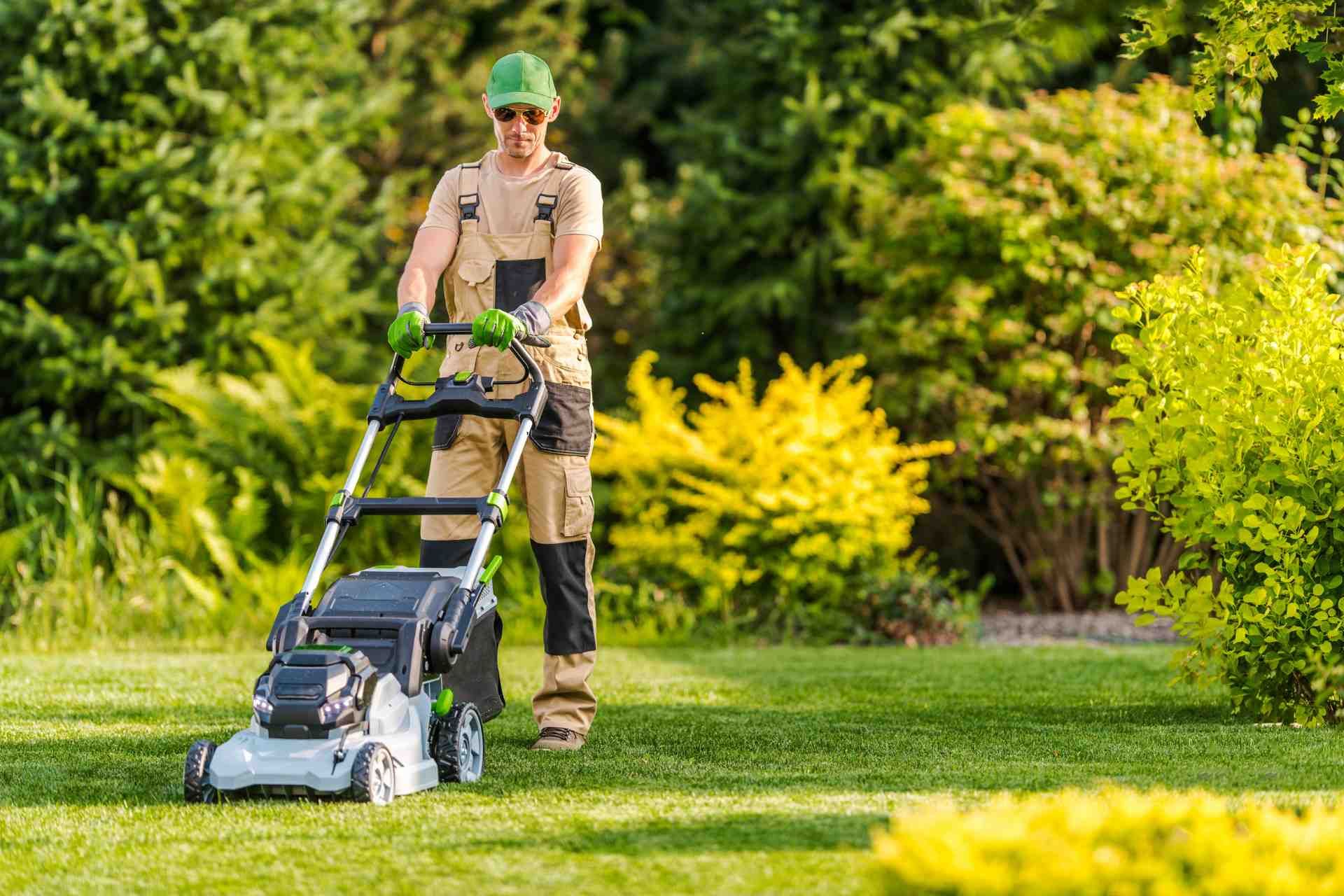
To achieve optimal grass health, proper mowing techniques are essential. Start by mowing regularly, aiming for a height of about 2.5 to 3.5 inches, depending on your grass type. This height promotes deep root growth and helps retain moisture.
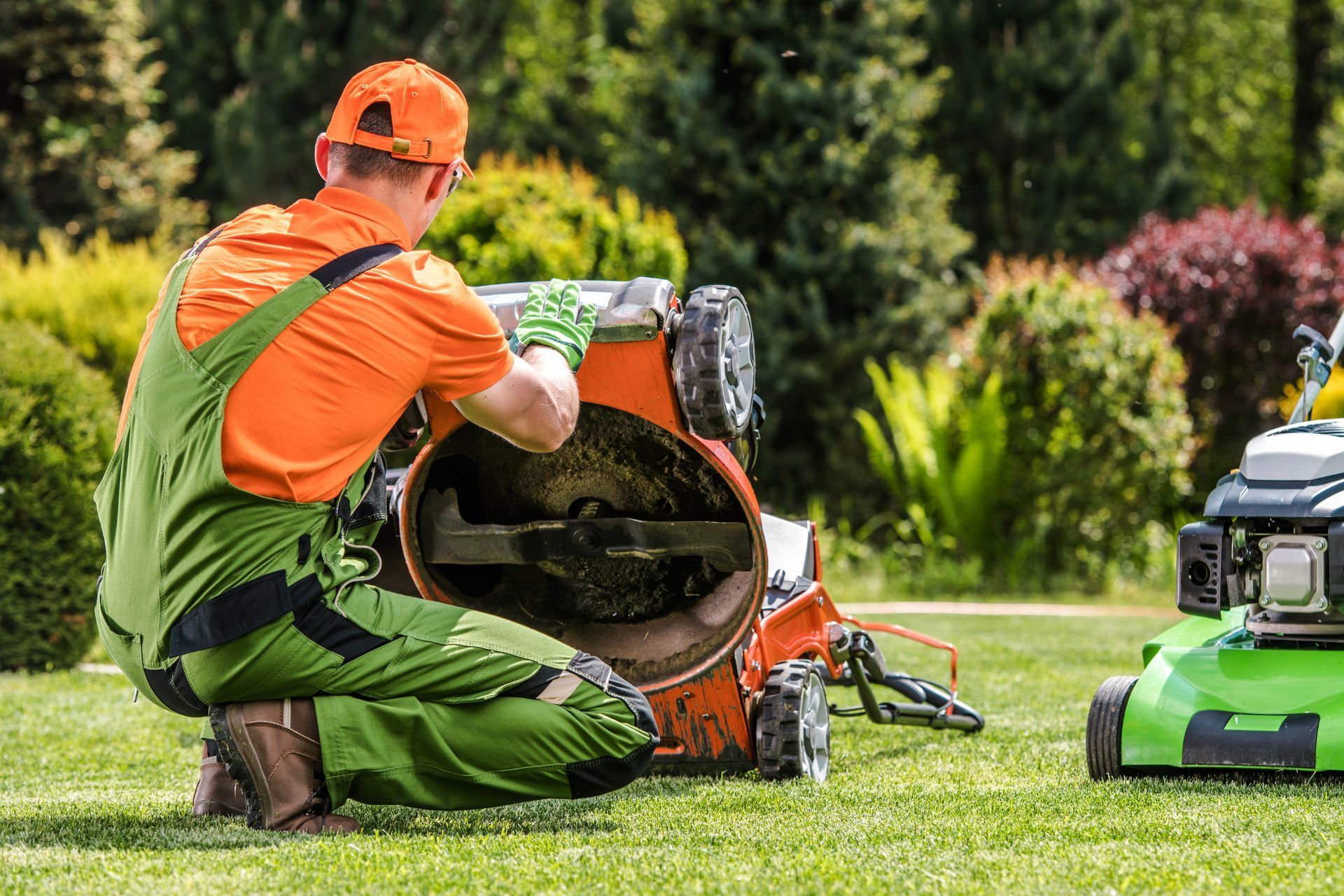
Always use a sharp mower blade; dull blades tear grass, making it susceptible to diseases. Mow when the grass is dry to prevent clumping and uneven cuts. Change your mowing pattern each time to avoid soil compaction and promote upright growth.
Avoid removing more than one-third of the grass height at once, as this can stress the plants. Lastly, leave clippings on the lawn to provide nutrients, but make sure they’re not too thick, which can smother the grass.
How to Water Your Lawn Effectively
How can you ensure your lawn gets the right amount of water? Start by watering deeply but infrequently. Aim for about an inch of water per week, including rainfall.
Use a rain gauge to track how much water your lawn receives. Water early in the morning, when evaporation is minimal, to maximize absorption.
Adjust your schedule based on weather conditions; if it’s been rainy, skip the watering. Pay attention to your grass; if it starts to turn a bluish hue or footprints remain visible, it’s time to water.
Consider using a soaker hose or drip irrigation for even distribution. Lastly, avoid watering in the evening to prevent diseases from prolonged moisture on the grass.
What Do Your Lawn's Nutrients Need?
While your lawn thrives on water, it also needs essential nutrients to stay healthy and vibrant. The key nutrients your lawn requires are nitrogen, phosphorus, and potassium—often referred to as N-P-K.
Nitrogen promotes lush growth and vibrant color, phosphorus supports root development, and potassium helps with overall resilience and disease resistance.
To ensure your lawn gets what it needs, consider a balanced fertilizer designed for your specific grass type. Test your soil to identify nutrient deficiencies and adjust your fertilization routine accordingly.
Regularly aerating your lawn can also improve nutrient absorption, allowing your grass to flourish. With proper care and attention to these nutrients, you’ll enjoy a lush, green lawn that enhances your outdoor space.
How Can You Identify and Manage Lawn Pests?
Identifying and managing lawn pests is crucial for maintaining a healthy yard, as these unwanted guests can quickly damage your grass and plants.
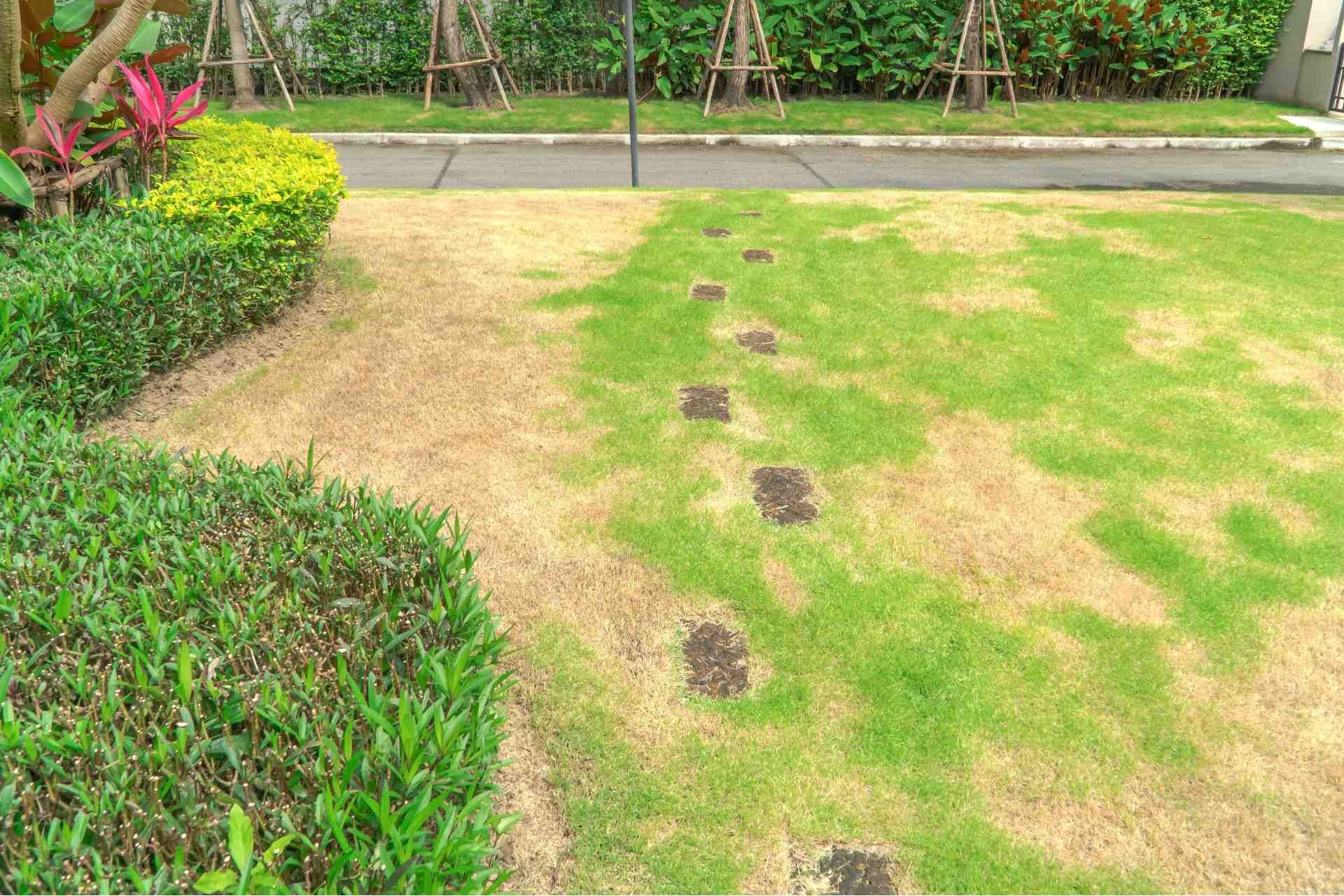
Start by regularly inspecting your lawn for signs of pests, such as chewed leaves, discoloration, or unusual patches. Knowing the common pests in your area, like grubs or aphids, can help you stay vigilant.
If you spot any pests, take action immediately. For minor infestations, consider natural remedies like neem oil or insecticidal soap. For larger problems, you may need to use targeted pesticides, but always follow the instructions carefully.
Encourage beneficial insects, like ladybugs, to help control pest populations naturally. Regular monitoring and prompt management can keep your lawn thriving and pest-free.
Seasonal Lawn Care Tips for Year-Round Health
To keep your lawn healthy throughout the year, you need to adapt your care routine with the changing seasons.
In spring, focus on fertilizing and mowing regularly to encourage growth.
As temperatures rise in summer, water deeply but less frequently, and keep your mower blades sharp to prevent stress.
In the fall, aerate your lawn and apply a winterizing fertilizer to prepare the grass for colder months.
Lastly, during winter, don’t ignore snow or ice; clear heavy accumulations to prevent damage.
Regularly check for weeds throughout the year and remove them promptly.
How to Aerate and Overseed Your Lawn
If you want to revitalize your lawn and promote healthy growth, aerating and overseeding are essential practices.
Start by aerating your lawn using a core aerator, which removes small plugs of soil to enhance air circulation, nutrient uptake, and root development. Aim to aerate when the soil is moist, ideally in the spring or fall.
After aerating, it's time to overseed. Choose a grass seed that fits your region and lawn type.
Spread the seeds evenly across the aerated areas, ideally using a seed spreader for better coverage.
Water the lawn lightly but consistently to help the seeds germinate.
With proper care, you'll see new grass sprout, creating a lush, healthy lawn in no time!
Lawn Care Products and the Benefits of Mulching
While maintaining a healthy lawn involves various tasks, using the right lawn care products and incorporating mulching can make a significant difference.
Start by selecting quality fertilizers and weed control products tailored to your grass type. These will nourish your lawn and keep pesky weeds at bay.
Mulching, on the other hand, offers numerous benefits. By returning grass clippings and leaves to your lawn, you create natural fertilizer that enriches the soil and retains moisture.
This not only reduces the need for additional watering but also minimizes waste. Additionally, mulching can help regulate soil temperature, promoting healthier grass growth.
With these tools and techniques, you’ll enjoy a lush, thriving lawn that stands out in your neighborhood.
Common Lawn Care Mistakes to Avoid
Even the most dedicated lawn enthusiasts can fall prey to common mistakes that hinder their lawn's health.
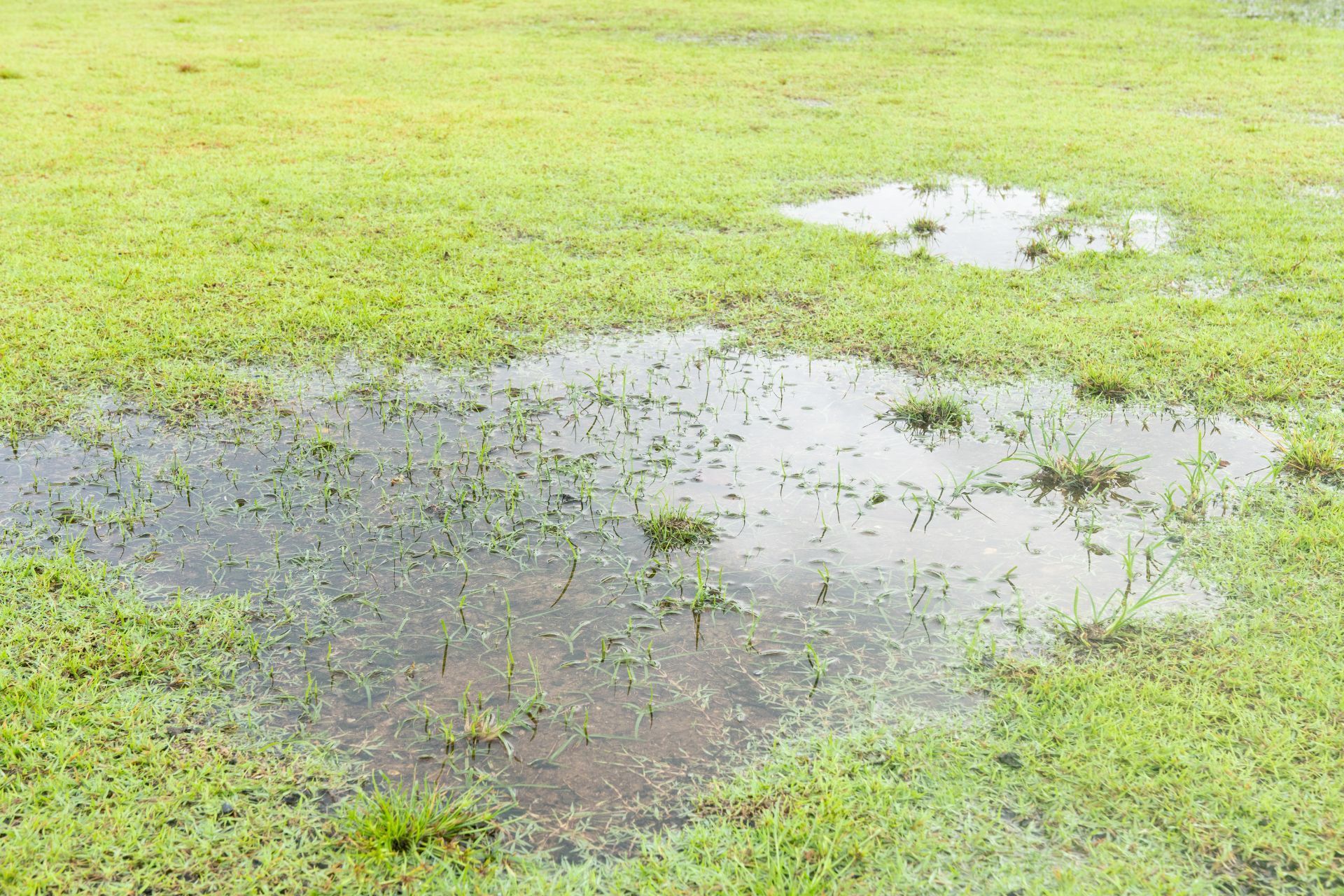
One major error is overwatering. It’s easy to think more water is better, but too much can lead to root rot and fungal issues.
Another mistake is mowing too short. Keeping your grass at the recommended height helps it retain moisture and resist weeds.
Skipping soil tests is another pitfall. Without knowing your soil’s pH and nutrient levels, you might apply the wrong fertilizers, harming your lawn instead of helping it.
Lastly, ignoring pest signs can result in larger infestations. Pay attention to your lawn's health; addressing issues early can save you time and effort in the long run.
Conclusion
By following these essential lawn care tips, you can create a lush, vibrant yard that enhances your outdoor space. Regular mowing, proper watering, and timely pest management are key to maintaining your lawn's health. Don't forget seasonal practices like fertilizing and aerating to boost resilience. Avoid common mistakes, and you'll enjoy a beautiful lawn that thrives throughout the year. With a little effort and attention, your lawn can be the envy of the neighborhood!