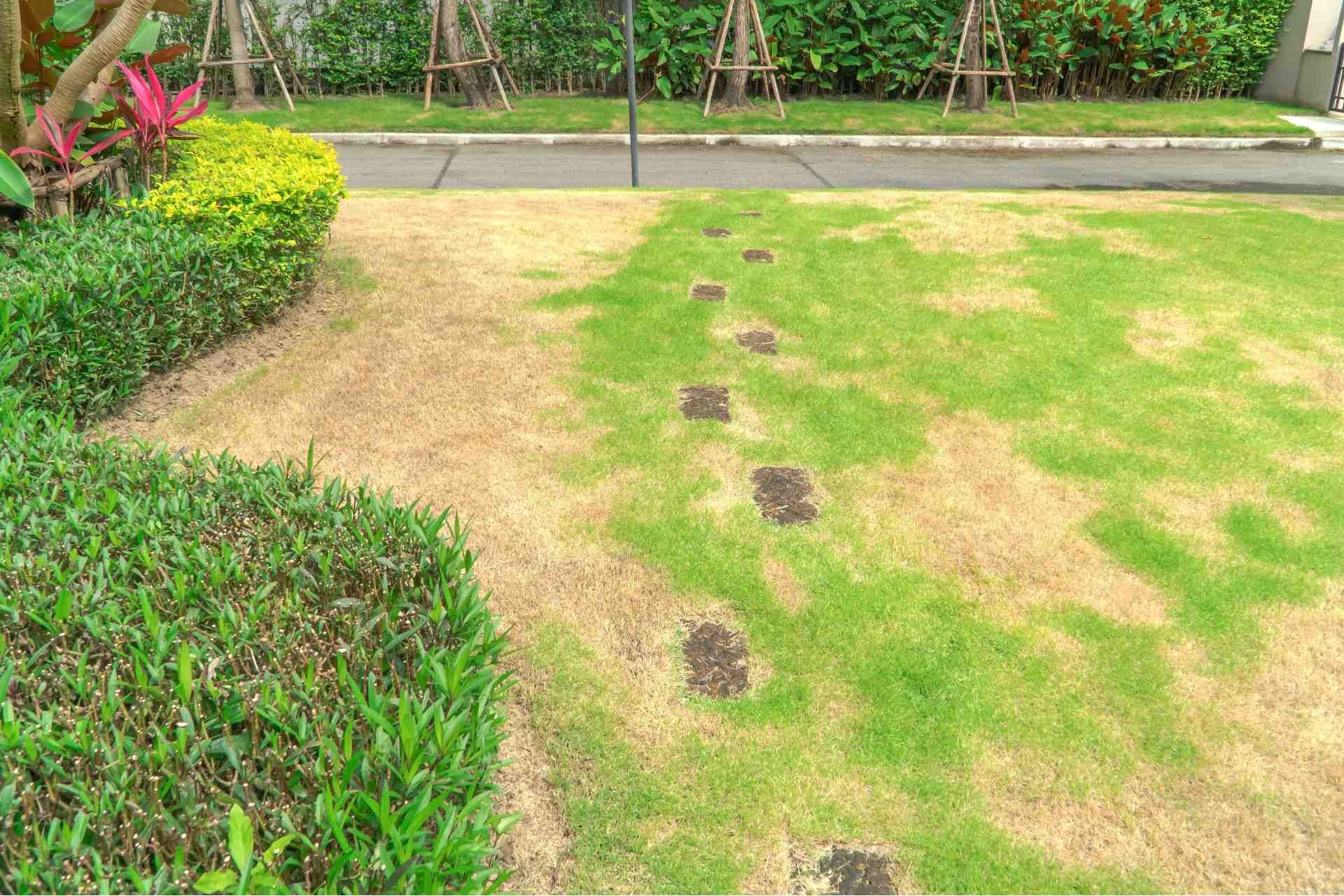
Why Some McKinney Lawns Thrive While Others Struggle: The Role of North Texas Clay Soil

In McKinney, the difference between thriving and struggling lawns often comes down to the challenging nature of North Texas clay soil. This dense material can retain moisture but also creates drainage issues that impact grass health. Without proper management, many lawns suffer from nutrient deficiencies and poor root development. So, what can you do to ensure your lawn thrives despite these challenges? Let’s explore the factors at play.
Understanding North Texas Clay Soil Composition
North Texas clay soil is a unique blend of minerals that can significantly impact your lawn's health. This soil typically contains high levels of iron, calcium, and magnesium, giving it a dense, sticky texture.
You’ll notice that it holds onto nutrients well, which can be both a blessing and a curse. While it can provide essential minerals for your grass, its compact nature can also hinder root growth.
Understanding this composition is key; you'll want to amend the soil with organic matter to improve drainage and aeration. By doing so, you create a more hospitable environment for your lawn.
Ultimately, knowing how your soil works helps you make informed decisions for maintaining a thriving lawn in McKinney.
How Clay Soil Affects Water Retention in Lawns
Clay soil significantly affects water retention in your lawn, often leading to both benefits and challenges.
On the positive side, its dense structure allows it to hold moisture effectively, meaning your grass can access water even during dry spells.
However, this same density can lead to issues if the soil becomes compacted. When that happens, water struggles to penetrate, and your lawn may end up with uneven moisture levels. You might notice some areas thriving while others show signs of stress.
To maximize water retention, consider aerating your lawn and incorporating organic matter. This can improve soil structure, enhance drainage, and help your grass flourish, giving you a lush, green lawn despite the challenges clay soil presents.
How Drainage Problems Affect Your Lawn?
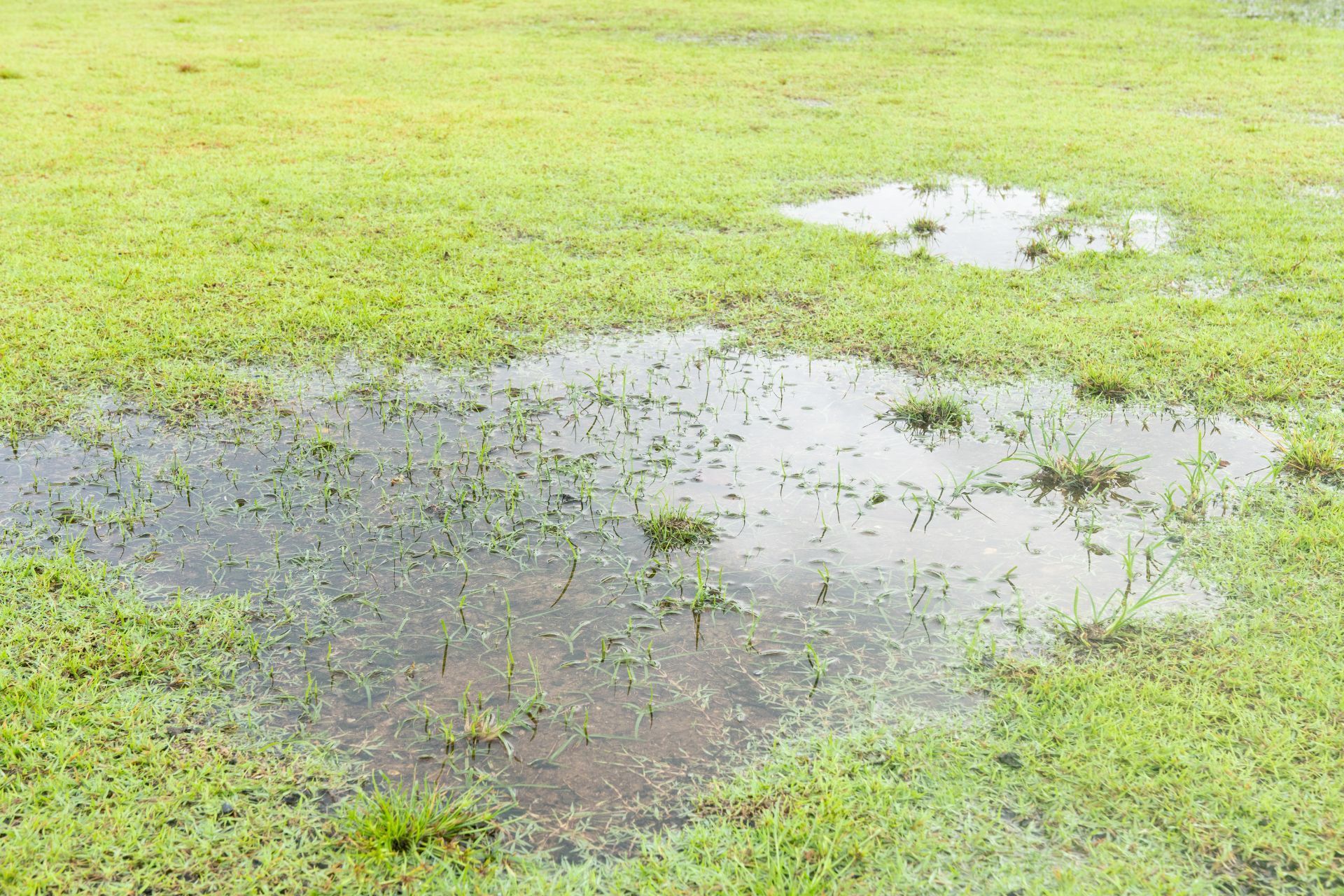
When drainage problems arise in your lawn, they can lead to a host of issues that jeopardize its health and appearance. Standing water can suffocate grass roots, making it difficult for them to absorb vital nutrients.
This excess moisture creates a breeding ground for pests and diseases, which can quickly spread and damage your lawn. Moreover, poor drainage can cause soil compaction, preventing your grass from receiving adequate aeration.
You might notice brown patches or thinning grass, indicating your lawn's struggle for survival. It's essential to address these drainage issues promptly, whether through installing French drains, adjusting grading, or improving soil composition.
Taking action now can help restore your lawn's vitality and ensure it thrives for years to come.
Root Development Challenges in Clay Soil
While you mightn't think much about soil composition, its impact on root development can be significant, especially in clay soil.
Clay is dense and compact, which makes it tough for roots to penetrate and spread. This limited movement restricts your grass's ability to access essential nutrients and water, leading to stunted growth. You may notice that your lawn struggles to thrive as roots can't find the space they need.
Additionally, clay soil can retain moisture, creating anaerobic conditions that suffocate roots. To combat these challenges, consider aerating your lawn or incorporating organic matter to improve soil structure.
Identifying Common Lawn Problems From Clay Soil
Understanding root development challenges in clay soil can help you identify common lawn problems that arise from this dense material.
You might notice areas of your lawn struggling with poor drainage, leading to puddles after rain, which can suffocate roots. Yellowing grass could indicate nutrient deficiencies, often caused by compacted soil that restricts root access.
If you see patches of dead grass or uneven growth, these may signal soil compaction or water runoff issues. Additionally, watch for increased weed growth, as they tend to thrive in stressed environments.
Lastly, if your lawn feels spongy when you walk on it, you're likely dealing with a buildup of organic matter due to inadequate aeration. Recognizing these signs can help you address underlying issues effectively.
How to Solve Common Lawn Problems From Clay Soil
Since clay soil can pose significant challenges for lawn care, addressing these issues requires a strategic approach.
Start by improving drainage; aerate your lawn to alleviate compaction and allow water and nutrients to penetrate deeper. Next, incorporate organic matter like compost or peat moss to enhance soil structure and fertility. This’ll help retain moisture while preventing runoff.
When watering, focus on deep, infrequent watering to encourage deep root growth, rather than shallow, frequent watering.
Finally, monitor for pests and diseases, as clay soil can create a favorable environment for certain issues.
Best Grass Types for Overcoming Clay Soil Challenges
If you're looking to establish a resilient lawn in clay soil, choosing the right grass type is essential.
Start with Bermuda grass, which thrives in warm climates and adapts well to clay's compact nature.
Zoysia grass is another excellent option, as it tolerates heat and drought while improving soil quality over time.
If you prefer a cool-season variety, consider tall fescue; its deep roots help it manage moisture better in clay.
Buffalo grass is also a great choice, requiring less water and maintenance.
When selecting your grass, ensure it matches your lawn's sun exposure and usage.
With the right grass type, you’ll create a lush, thriving lawn even in challenging clay soil conditions.
Essential Nutrients in Clay Soil and How to Supplement
While clay soil can pose challenges for lawn care, it also contains essential nutrients that can support healthy grass growth. Key nutrients like nitrogen, phosphorus, and potassium are often present but may be locked away due to soil compaction.
To supplement these nutrients, consider using organic fertilizers or compost to improve soil structure and nutrient availability. Adding amendments like gypsum can help break up the clay, allowing roots to access these vital elements more easily.
You can also incorporate soil test results to identify specific deficiencies and tailor your supplements accordingly. Regularly aerating your lawn will further enhance nutrient absorption while promoting healthier grass.
With the right approach, you can make the most of your clay soil's benefits.
Effective Lawn Care Practices for Clay Soil
To ensure your lawn thrives in clay soil, you need to adopt effective care practices that address its unique challenges.
Start by aerating your lawn annually to improve drainage and allow roots to breathe. Incorporate organic matter like compost to enhance soil structure and nutrient availability.
Water deeply but infrequently to encourage deep root growth and prevent waterlogging. Mow at the right height, keeping grass longer to promote healthy roots and shade the soil, reducing evaporation.
Fertilize with slow-release options to avoid nutrient runoff. Additionally, consider using grass varieties suited for clay soil, such as Bermuda or Zoysia.
Conclusion
In McKinney, understanding the challenges of North Texas clay soil is key to achieving a thriving lawn. By recognizing how it affects water retention, drainage, and root development, you can tackle common issues like yellowing grass and weeds. With the right grass types, essential nutrient supplementation, and effective lawn care practices, you can transform your lawn into a vibrant green space. Don't let clay soil hold you back; take action and watch your lawn flourish!