How Lawn Leveling Can Enhance Your Yard’s Health and Appearance

If you’ve noticed uneven patches in your yard, it might be time to consider lawn leveling. An even terrain not only boosts your lawn's appearance but also promotes healthier grass growth and better water drainage. This simple process can transform your outdoor space, making it more inviting and vibrant. But what causes these uneven areas, and how can you effectively level your lawn? Let’s explore the key aspects that can help you achieve a healthier yard.
Understanding Lawn Leveling and Its Importance
When it comes to maintaining a healthy lawn, understanding lawn leveling is crucial.
Lawn leveling involves adjusting the soil surface to create an even terrain, which helps promote healthy grass growth. Uneven areas can lead to drainage issues, making some spots too wet and others too dry. By leveling your lawn, you encourage better water absorption and nutrient distribution, resulting in a lush, green appearance.
Additionally, a level lawn reduces the risk of pests and diseases that thrive in uneven, compacted areas. Regular maintenance and leveling not only enhance your yard's aesthetic appeal but also contribute to its overall health.
Common Causes of Lawn Unevenness
Several factors can contribute to lawn unevenness, making it essential to identify the root causes.
One common reason is soil erosion, which occurs when water or wind washes away topsoil, leaving depressions.
Another issue could be the natural settling of the soil, especially after new landscaping or construction.
You might also find that tree roots create uneven areas as they grow and expand.
Additionally, poor drainage can lead to puddling, causing soil to compact in certain spots and leaving others elevated.
Lastly, pests like moles or gophers can disturb the ground, leading to uneven patches.
The Benefits of a Level Lawn
A level lawn not only enhances the visual appeal of your yard but also contributes to its overall health.
When your lawn is even, it allows for better water drainage, preventing puddles that can lead to issues like mold and disease. You’ll find that grass grows more uniformly, resulting in a lush, beautiful landscape.
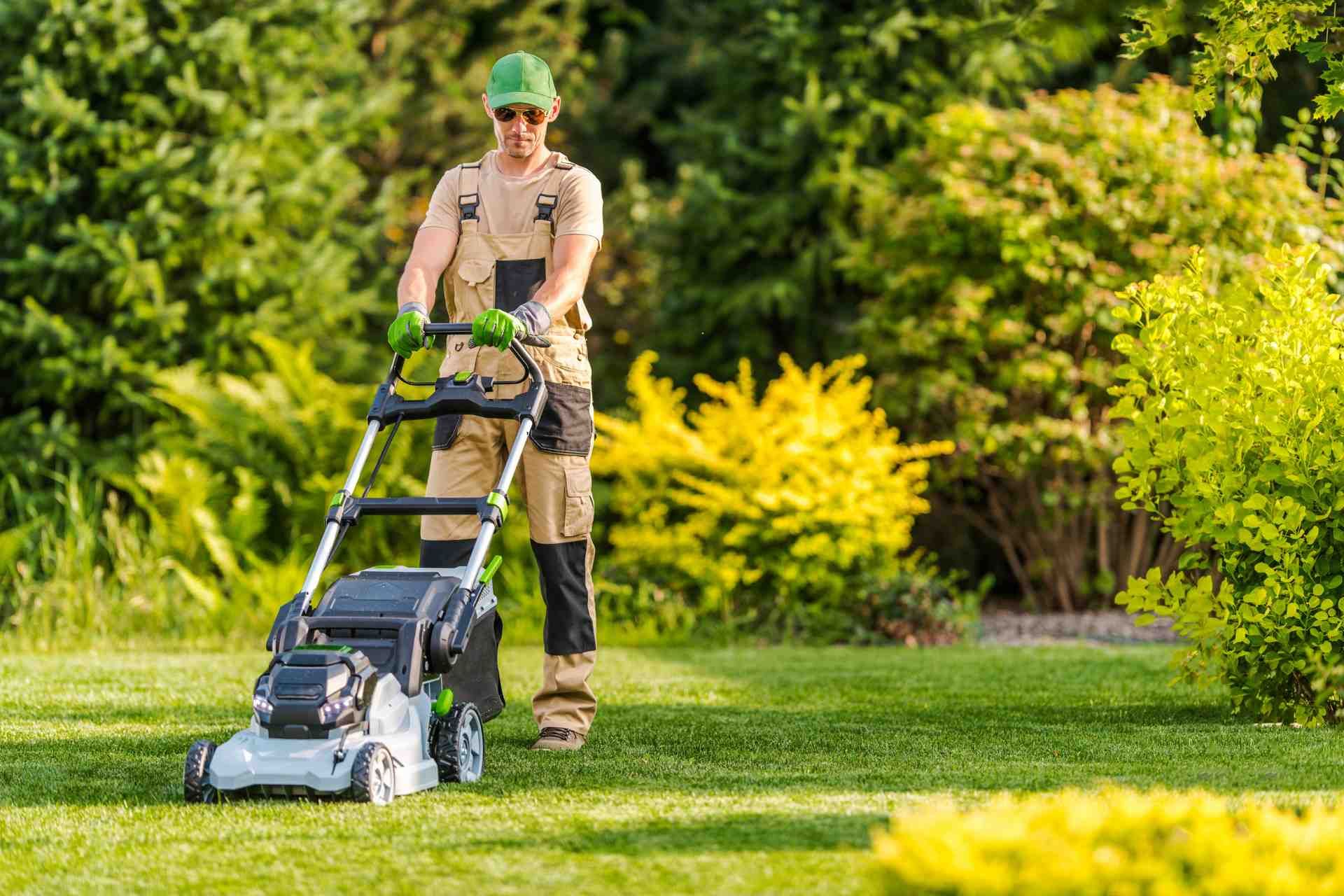
Plus, a level surface makes mowing easier and more efficient, reducing the risk of scalping or missing patches. It also creates a safer environment for outdoor activities, minimizing the chances of tripping or injuring yourself and your loved ones.
Methods for Lawn Leveling
While you might think lawn leveling is a daunting task, there are several effective methods to achieve a smooth, even surface.
One popular approach is topdressing, where you spread a thin layer of soil or compost over your lawn, filling in low spots.
Another method is using a leveling rake, which allows you to physically redistribute soil and grass for a more even terrain.
If your lawn has significant dips, consider using a sod cutter to remove sections, then add soil before re-sodding.
For minor unevenness, aerating the lawn can also help, as it loosens the soil, making it easier to level.
Whichever method you choose, consistency and patience are key to achieving the desired results.
Signs That Your Lawn Needs Leveling
If you've noticed water pooling in certain areas after rain or your lawn feels uneven underfoot, it might be time to consider leveling.
Uneven patches can cause your grass to struggle for nutrients and sunlight, leading to a patchy appearance. You may also see bare spots where grass has died off due to the uneven surface.
If mowing becomes a challenge, with your mower struggling to navigate dips and bumps, that’s another sign. Additionally, if you’ve experienced more weeds than usual, it could indicate that your lawn isn’t thriving due to poor drainage and uneven soil.
Addressing these issues through leveling can greatly enhance your lawn’s health and overall aesthetics.
Don’t wait until it worsens—take action now!
Tips for Maintaining a Level Lawn
To keep your lawn level and healthy, regular maintenance is key.
Start by mowing your lawn at the right height; this promotes even growth and prevents scalping. Water deeply but infrequently to encourage strong root development and avoid pooling.
Aerate your lawn annually to reduce compaction and allow nutrients to penetrate the soil better. Apply topdressing with a mix of compost and soil to fill in any low spots and improve drainage.
Don’t forget to keep an eye on any potential weeds or pests that can disrupt your lawn’s balance.
Lastly, fertilize appropriately to maintain nutrient levels, ensuring a lush, vibrant yard.
Consistent care will help you enjoy a beautifully level lawn year-round.
Professional Lawn Leveling Services vs. DIY
When deciding between professional lawn leveling services and a DIY approach, it's essential to weigh the benefits and drawbacks of each option.
Hiring professionals brings expertise, equipment, and efficiency, ensuring a smoother, faster process. They can identify underlying problems, saving you from future headaches. However, this convenience comes at a cost.
On the other hand, tackling it yourself can save money and offer you a hands-on experience. If you’re handy and have the time, DIY can be rewarding.
Yet, without proper knowledge, you risk making mistakes that could damage your lawn. Ultimately, consider your budget, skills, and the size of your yard. Making the right choice can enhance your lawn’s health and appearance significantly.
Conclusion
In conclusion, lawn leveling is crucial for both the health and beauty of your yard. By addressing unevenness, you promote better grass growth, enhance drainage, and reduce pest issues. Whether you choose to tackle this project yourself or hire a professional, the benefits are undeniable. A level lawn not only boosts your outdoor aesthetics but also creates a thriving environment for your plants. So, take action today and enjoy a lush, vibrant lawn that you can be proud of!