Choosing the Right Fertilizer for Your Texas Lawn
When it comes to nurturing your Texas lawn, choosing the right fertilizer can make all the difference. You need to consider your soil type, grass variety, and specific nutrient needs. A soil test can help identify deficiencies, guiding your selection. With various fertilizer options available, understanding their benefits is essential. As you explore further, you'll discover how timing and application methods play a crucial role in achieving a vibrant, healthy lawn.
Understanding Texas Soil Types
When you’re choosing the right fertilizer for your lawn, it’s essential to understand the unique soil types found in Texas.
The state boasts diverse soil profiles, including clay, sandy, and loamy soils. Clay soils retain moisture but can become compacted, making it hard for roots to grow. Sandy soils drain quickly, which means they often require more frequent watering and fertilization.
Loamy soils, a mix of sand, silt, and clay, are generally the ideal choice for lawns, offering good drainage and nutrient retention. Knowing your soil type helps you select a fertilizer that complements its characteristics.
This knowledge ensures that your lawn receives the right nutrients, promoting healthy growth and vibrant color while avoiding waste or damage.
Assessing Your Lawn's Nutritional Needs
Knowing your soil type lays the groundwork for assessing your lawn's nutritional needs. Start by testing your soil to determine its pH and nutrient levels. You can use a soil testing kit or send a sample to a local extension office.
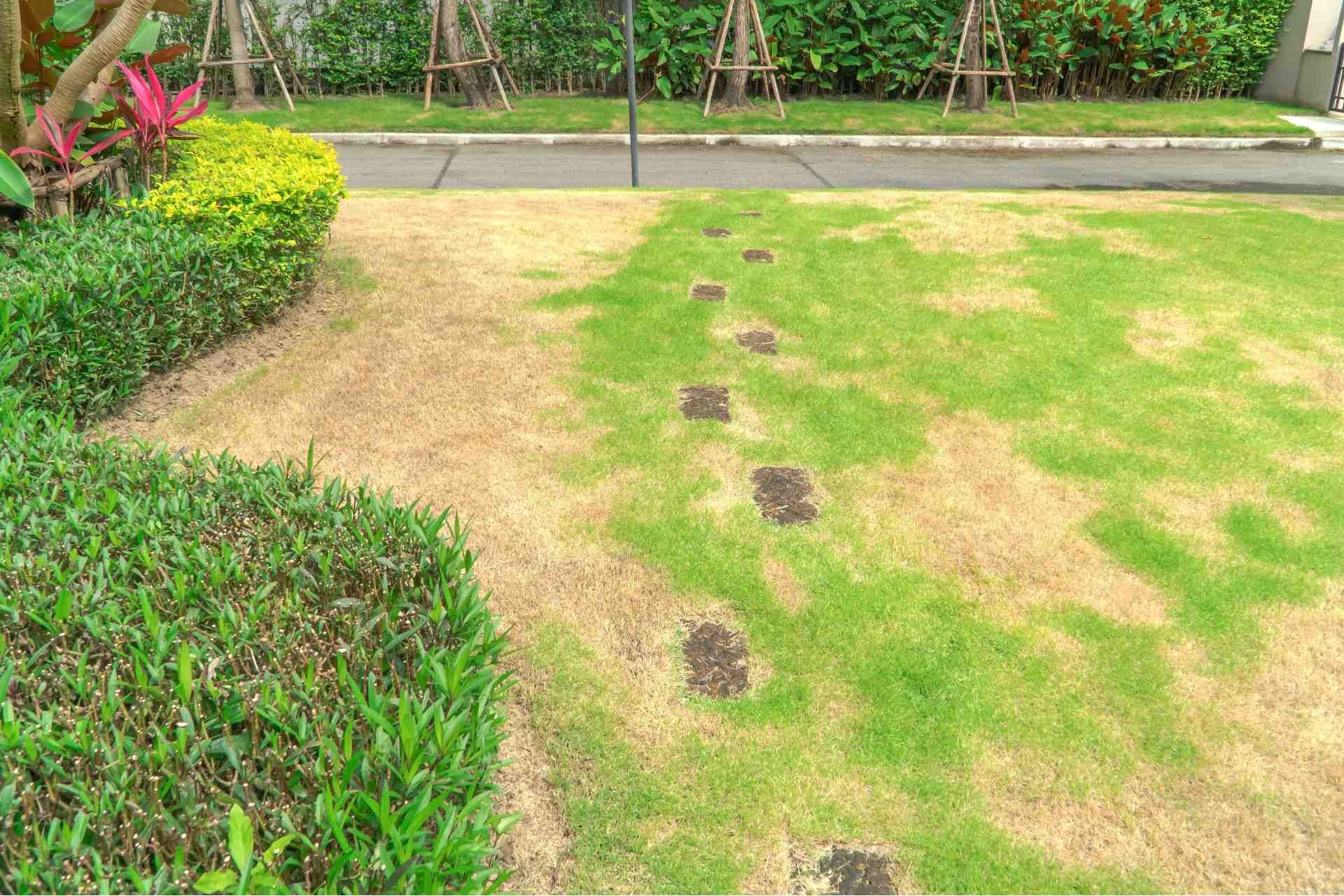
Once you know your soil’s composition, you can identify any deficiencies. Look for signs like yellowing grass or poor growth, which may indicate a lack of essential nutrients such as nitrogen, phosphorus, or potassium.
It’s also important to consider the type of grass you have; some varieties require specific nutrient ratios. By understanding these factors, you'll be better equipped to choose the right fertilizer that will help your lawn thrive beautifully throughout the Texas seasons.
Types of Fertilizers Available
Choosing the right fertilizer for your lawn becomes much easier once you understand the different types available.
You’ll encounter three main categories: granular, liquid, and slow-release fertilizers. Granular fertilizers are easy to apply and provide a steady nutrient supply over time.
Liquid fertilizers, on the other hand, offer quick absorption and faster results, making them ideal for immediate needs.
Slow-release fertilizers gradually release nutrients, ensuring your lawn gets a consistent supply without the risk of over-fertilization.
Additionally, there are specialty fertilizers designed for specific grass types, which can optimize growth and health.
Organic vs. Synthetic Fertilizers
While both organic and synthetic fertilizers can nourish your lawn, they each have distinct characteristics that may influence your choice.
Organic fertilizers, made from natural materials like compost and manure, improve soil health over time and promote beneficial microorganisms. They release nutrients slowly, which means you won’t see immediate results, but your lawn will thrive in the long run.
On the other hand, synthetic fertilizers provide quick nutrient availability, allowing for rapid growth and greening. However, they can sometimes lead to nutrient runoff and may harm soil health if used excessively.
Ultimately, your decision should consider your lawn’s specific needs, your gardening philosophy, and the environmental impact you’re willing to support. Choose wisely for a healthy, vibrant lawn!
The Importance of N-P-K Ratios
Understanding the right fertilizer goes beyond just deciding between organic and synthetic options; it also involves recognizing the significance of N-P-K ratios. These ratios represent the three essential nutrients: nitrogen (N), phosphorus (P), and potassium (K).
Each plays a unique role in your lawn’s health. Nitrogen promotes lush growth and vibrant green color, phosphorus supports root development and flowering, while potassium enhances overall resilience and disease resistance.
When choosing a fertilizer, look for the N-P-K ratio on the label. This helps you match your lawn's specific needs, whether you're aiming for growth, recovery, or maintenance.
Timing Your Fertilizer Application
To ensure your lawn thrives, timing your fertilizer application is crucial. You should target early spring for your first application, as this is when your grass starts waking up from dormancy.
A second application is typically needed in late spring or early summer, depending on your grass type and growth rate. If you're using a slow-release fertilizer, you mightn't need to apply as frequently.
In the fall, consider a final application to prepare your lawn for winter. Remember, avoid fertilizing during extreme heat or drought conditions, as this can stress your grass.
How to Apply Fertilizer Effectively
After you've timed your fertilizer applications right, knowing how to apply it effectively is just as important for your lawn's health.
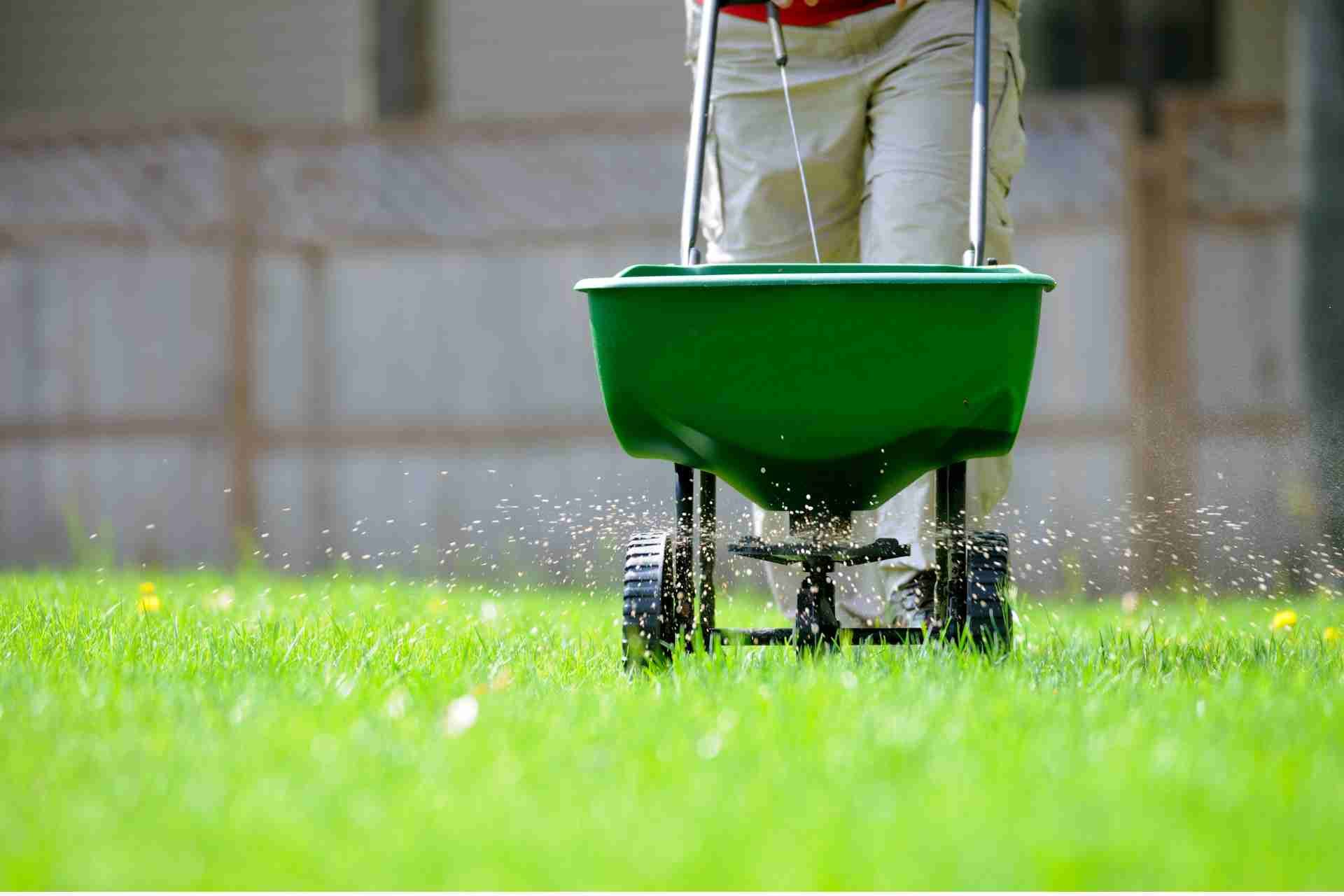
Start by choosing the right spreader for even distribution. If you're using a drop spreader, walk at a steady pace, overlapping slightly to avoid gaps. For a broadcast spreader, set it to the recommended setting based on your fertilizer type.
Always apply on a dry day to prevent clumping and ensure even absorption. Water your lawn lightly afterward to activate the nutrients without washing them away.
Avoid applying too close to water bodies or storm drains to protect local ecosystems. Lastly, keep pets and kids off the lawn for a few days to allow the fertilizer to settle in.
Common Fertilizer Mistakes to Avoid
Even if you’ve got the right fertilizer, mistakes can still sabotage your lawn’s health.
One common error is over-fertilizing; too much can burn your grass and harm beneficial microorganisms. Make sure you follow the recommended application rates.
Another mistake is fertilizing at the wrong time. Applying fertilizer during extreme heat or cold can stress your lawn, so aim for early spring or fall.
Don't forget to check the soil pH; using the wrong fertilizer type for your soil can lead to nutrient lockout.
Lastly, avoid neglecting to clean your spreader. Residue from previous applications can lead to uneven distribution and uneven growth.
The Role of Watering and Irrigation
While you may have the right fertilizer, proper watering and irrigation are crucial for maximizing its benefits. Watering helps dissolve nutrients, making them accessible to your grass roots. Aim for deep, infrequent watering rather than shallow, frequent sessions; this encourages deeper root growth.
Early morning is the best time to water, reducing evaporation and fungal diseases. Adjust your irrigation based on weather conditions. If it rains, cut back on watering to avoid over-saturation.
Consider using a soaker hose or drip irrigation system for efficiency and targeted application. Monitor your lawn’s moisture levels, and don’t forget to adjust your watering schedule according to the season.
With the right approach, you'll ensure your lawn thrives and fully absorbs the nutrients from your fertilizer.
Maintaining Your Lawn After Fertilization
To keep your lawn healthy and vibrant after fertilization, it's essential to follow a few key maintenance practices.
First, water your lawn deeply but infrequently to encourage strong root growth. Aim for about an inch of water per week, adjusting based on rainfall.
Next, mow regularly, but don’t cut more than one-third of the grass height at a time, which can stress the plants.
Additionally, monitor for pests and diseases, and address any issues quickly to prevent damage.
Lastly, avoid heavy foot traffic for a few weeks after fertilization to give your grass time to absorb nutrients.
Conclusion
By understanding your Texas soil, assessing your lawn's needs, and choosing the right type of fertilizer, you can achieve a vibrant, healthy lawn. Remember to consider organic versus synthetic options and pay attention to N-P-K ratios for balanced nutrition. Apply fertilizers at the right times, and don’t forget to water properly afterward. Avoid common mistakes, and your lawn will thrive, providing a beautiful outdoor space for you and your family to enjoy.