Common Texas Lawn Weeds and How to Get Rid of Them
If you're dealing with pesky weeds in your Texas lawn, you're not alone. Common offenders like dandelions, clover, and crabgrass can quickly take over if left unchecked. Understanding how to identify these weeds and the best methods for control is essential for a healthy yard. In the following sections, you'll discover effective strategies to reclaim your lawn and prevent future weed invasions.
Dandelions: Identification and Control Methods
Dandelions, those bright yellow flowers that pop up in your lawn, are more than just a nuisance; they can take over if left unchecked. Identifying them is easy; they've jagged leaves that grow close to the ground, and their signature puffball seed heads spread like wildfire.
To control dandelions, start by pulling them out, ensuring you remove the entire root. For larger infestations, consider using a targeted herbicide, applying it on a calm day to avoid drift. Timing is crucial—treat them in the fall when they're storing energy for winter.
Regular mowing helps, too, cutting them before they flower. By staying vigilant, you can keep your lawn dandelion-free and looking pristine.
Clover: Understanding Its Growth and Eradication
If you're struggling with dandelions, you might also notice clover creeping into your lawn. This resilient weed thrives in moist, nutrient-rich soils and often pops up where grass isn’t as vigorous. Clover spreads rapidly through seeds and underground runners, making it tricky to control.
To eradicate clover, start by improving your lawn's health. Regular mowing, proper watering, and fertilization can help your grass outcompete clover for resources.
If clover persists, consider using a selective herbicide that targets broadleaf weeds without harming your grass. Always follow the product instructions for the best results.
Hand-pulling is another effective method, especially in smaller patches. By staying vigilant and proactive, you can keep clover at bay and maintain a lush, green lawn.
Henbit: Recognizing and Eliminating This Winter Weed
Have you noticed a patch of purple flowers in your lawn during the cooler months? That’s likely henbit, a common winter weed in Texas.
This sprawling plant features round leaves and tall stems, making it easy to identify. Henbit thrives in damp, shaded areas and can quickly take over your yard if left unchecked.
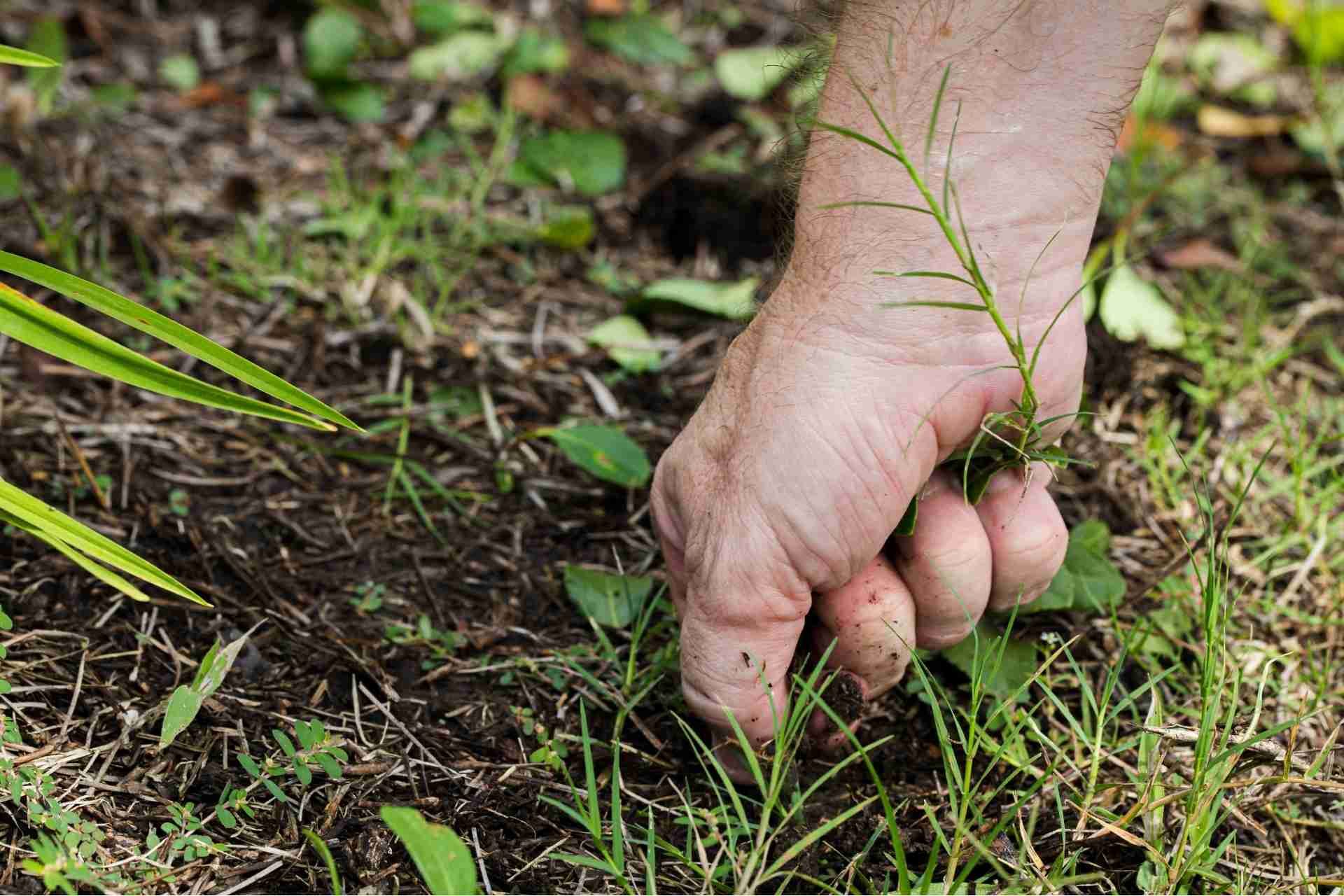
To eliminate it, start by pulling out the weeds by hand, ensuring you remove the entire root system.
If the infestation is extensive, consider using a pre-emergent herbicide in early fall to prevent new growth. For existing henbit, a selective post-emergent herbicide can be effective.
Crabgrass: Prevention and Removal Techniques
While crabgrass can be a frustrating invader in your Texas lawn, understanding how to prevent and remove it can keep your yard vibrant and healthy.
Start by maintaining a thick, healthy lawn; proper mowing, watering, and fertilizing practices will help your grass outcompete crabgrass. Apply a pre-emergent herbicide in early spring to block crabgrass seeds from germinating.
If crabgrass does appear, remove it manually by pulling it out at the root, ensuring you get the entire plant. For larger patches, consider using a post-emergent herbicide specifically labeled for crabgrass. Remember to always follow the instructions carefully.
Regularly inspect your lawn and address any weak areas to minimize the risk of future crabgrass invasions and keep your lawn looking its best.
Bindweed: Strategies for Control and Management
Although bindweed can be a persistent nuisance in Texas lawns, you can effectively manage and control its spread with the right strategies.
First, focus on hand-pulling when the soil is moist, as this helps remove the entire root system. Make sure to do this consistently, as any remaining roots can regrow.
Additionally, consider using mulch to block sunlight and suppress growth. If you opt for herbicides, choose a selective broadleaf herbicide specifically labeled for bindweed and apply it during its active growth phase. Always follow the manufacturer’s instructions carefully.
Lastly, maintaining a healthy lawn through proper watering, mowing, and fertilization will help your grass outcompete bindweed, reducing its chances of taking hold.
Nutsedge: Identifying and Treating This Perennial Pest
Nutsedge, often mistaken for grass, can quickly become a troublesome invader in your Texas lawn. You’ll recognize it by its triangular stems and bright green, glossy leaves that grow taller than your regular grass.
Unlike typical weeds, nutsedge thrives in moist conditions and can spread rapidly through its underground tubers. To effectively treat it, you need to act decisively.
First, pull the plants out by hand, ensuring you remove the entire tuber. If that’s not enough, apply a selective herbicide specifically designed for nutsedge, following the label instructions carefully.
Consistent lawn maintenance, including proper watering and mowing, can strengthen your grass and reduce nutsedge’s chances of coming back. Stay vigilant, and you'll keep this perennial pest at bay.
Thistle: Effective Ways to Combat This Aggressive Weed
After tackling the challenges of nutsedge, it’s time to turn your attention to another common adversary in Texas lawns: thistle. This aggressive weed can quickly take over your yard if you don’t act fast.
First, identify the type of thistle invading your space—common and yellow thistles are prevalent. Hand-pulling can be effective, but make sure you remove the entire root to prevent regrowth.
For larger patches, consider using a selective herbicide, applied preferably in the fall when thistle is actively growing. Regular mowing can also help keep thistle at bay by preventing it from flowering and spreading seeds.
Stay vigilant, and your lawn will thrive without the threat of thistle taking hold.
Conclusion
In conclusion, tackling common Texas lawn weeds like dandelions, clover, and crabgrass requires a proactive approach. By maintaining a healthy lawn through regular care, you can significantly reduce weed growth. Don’t forget to hand-pull small patches and apply targeted herbicides when necessary. With these strategies, you'll not only control existing weeds but also promote a lush, vibrant lawn that can better withstand future invasions. Keep your grass thick and healthy, and enjoy a weed-free yard!